Know Your Patient: How Technology Can Help Health Care Providers Dramatically Improve One Key Aspect of the Patient Experience

The integration of AI and automated platforms in healthcare is moving beyond mere digitization to fundamentally improve patient interactions, referral management, and administrative cost structures. These technological advances are poised to address long-standing pain points in healthcare delivery.
The landscape of healthcare is undergoing significant transformation driven by advancements in technology, specifically the growing integration of artificial intelligence (AI) and digital platforms into administrative workflows and patient management processes. Traditionally, healthcare institutions have struggled with inefficiencies arising from bureaucratic processes, excessive paperwork, and fragmented patient interaction data. Modern technological solutions are now emerging as vital enablers for enhancing the patient experience while curbing administrative overheads.
According to recent reports, the digitization wave has moved past simply replacing paper records and manual data entry. It is increasingly focused on creating seamless, patient-centric environments that allow healthcare providers to better understand and respond to individual patient needs and experiences. One of the pivotal aspects of this transformation is streamlining referral management and communication pathways between patients and providers, a historically complex and error-prone process.
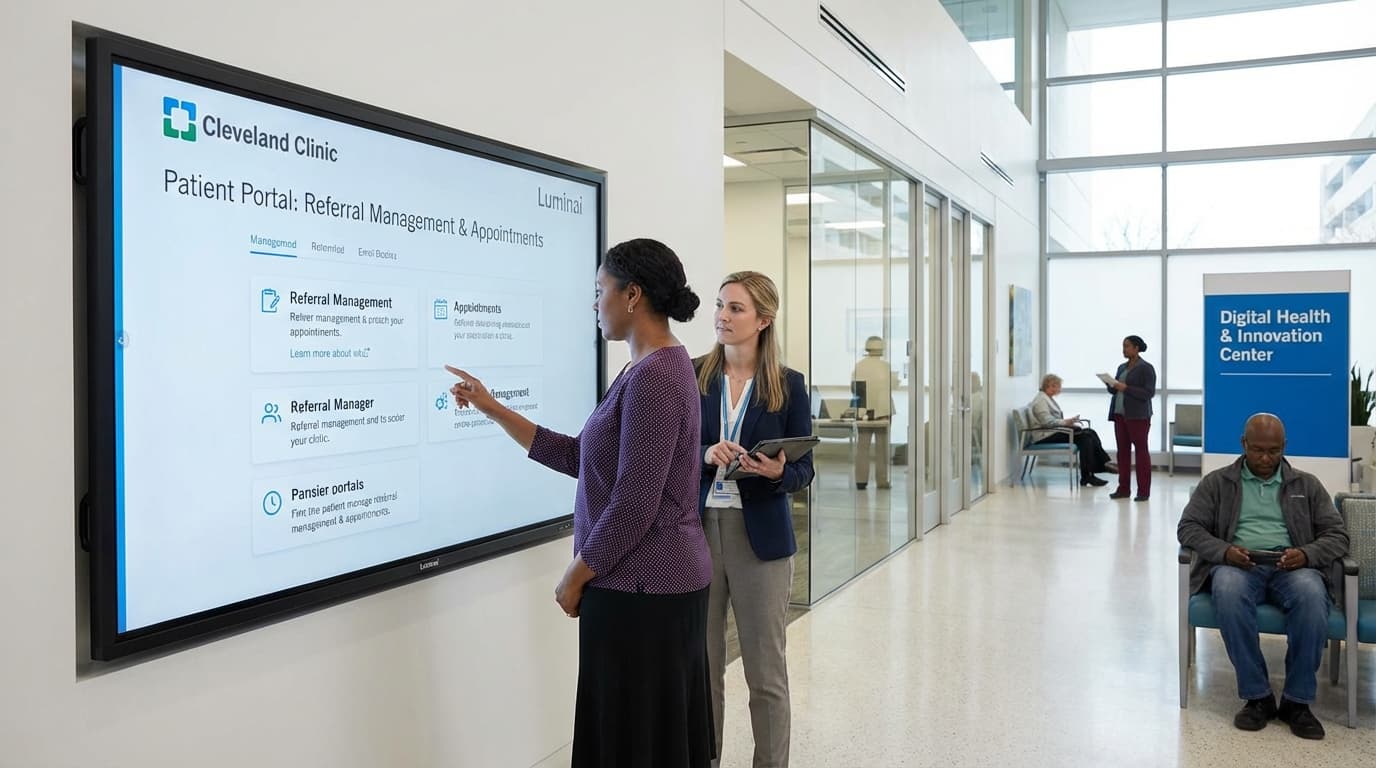
Companies like Luminai are spearheading efforts to automate high-volume hospital administrative workflows using AI-driven platforms. Their technology facilitates referral management processes, reducing bottlenecks, enhancing throughput, and ultimately leading to more timely and coordinated patient care. Collaboration with leading institutions such as the Cleveland Clinic underscores the practical impact and scalability of these technologies in real-world healthcare settings.
Addressing administrative waste is another critical dimension. Healthcare systems are notorious for incurring costs due to redundant paperwork, underutilized resources, and outdated communication methods. Studies suggest that administrative inefficiencies represent one of the most fixable cost problems in healthcare, provided there is coordinated effort to modernize antiquated infrastructure. Implementing standardized digital processes that reduce reliance on fax machines, paper forms, and siloed databases can lead to substantial cost savings and better resource allocation.
For patients, the benefits extend far beyond cost savings. Enhanced data portability, decreased wait times, and improved transparency contribute to a more positive healthcare journey. The ability for healthcare providers to access comprehensive patient information in near real-time enables highly personalized care plans and reduces the likelihood of medical errors.
Nevertheless, these technological advances come with challenges. Integration across diverse healthcare IT systems requires significant coordination and interoperability standards compliance. Ensuring data security and patient privacy remains paramount amidst increasing digital footprints. Moreover, the adoption of new workflows calls for substantial cultural shifts within healthcare organizations, training personnel, and managing transitional disruptions.
Despite these hurdles, the trajectory is clear. The future of healthcare increasingly depends on intelligent automation and data-driven decision-making that empowers both providers and patients. Technology will be a cornerstone in reimagining healthcare experiences, making the system more responsive, efficient, and ultimately, patient-friendly.
In conclusion, the role of technology in healthcare administration and patient experience marks a pivotal evolution in modern medicine. By reducing administrative burdens and enhancing communication channels, AI and digital platforms are transforming how care is delivered. This ongoing progress promises not only economic gains but also improved outcomes and satisfaction for patients and providers alike.
Join the BioIntel newsletter
Get curated biotech intelligence across AI, industry, innovation, investment, medtech, and policy delivered to your inbox.