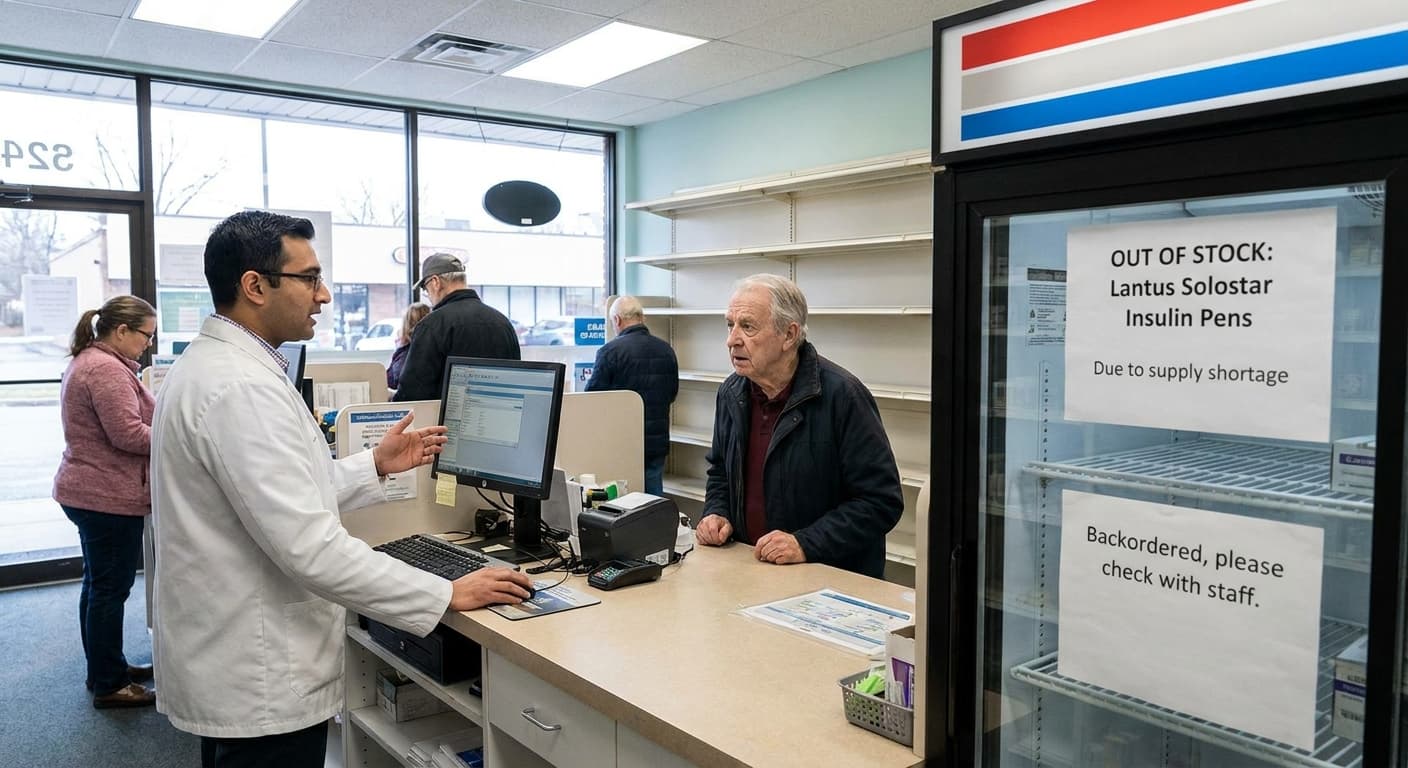
Lantus Solostar Insulin Shortage Raises Urgency Amid Market Exits

A growing number of Americans living with diabetes face uncertainty as the widely-used Lantus Solostar insulin pen appears increasingly difficult to obtain. This development comes in the wake of other insulin pens leaving the market, squeezing supply and raising questions about access, manufacturing resilience, and the impact on patient care. As advocates and policymakers watch closely, the situation underscores vulnerabilities within the medication supply chain for one of the world’s most essential drugs.
Introduction: The Critical Role of Insulin and the Lantus Solostar Pen
Insulin remains one of the most indispensable medications of modern medicine, serving as a lifeline for millions of people living with diabetes. In particular, insulin glargine, sold under the brand name Lantus, has become a mainstay for long-acting blood glucose control. Delivered in the user-friendly Solostar pen format, Lantus has allowed for easier dosing and storage for patients, families, and care teams. Any threat to its availability immediately reverberates across hospitals, clinics, community pharmacies, and, most pressingly, to individual patients relying on the medication to stay healthy and prevent life-threatening complications.
Current Developments: Reports of Lantus Solostar Supply Challenges
In recent weeks, patients and clinicians have increasingly reported unusual difficulty finding the Lantus Solostar insulin pen in their local pharmacies. Although not officially recognized as a drug shortage by the U.S. Food and Drug Administration (FDA) as of this writing, the on-the-ground reality suggests the emergence of a significant supply-distribution issue. The shortage is being felt ever more sharply in the context of recent market exits by other competing insulin pen products, which have reduced the overall diversity and resilience of supply.
Pharmacists have reported persistent backorders, while patients attempting to fill their regular prescriptions have been turned away or placed on lengthy waitlists. Particularly troubling are reports from providers serving vulnerable populations, including those insured through Medicaid, uninsured, or living in geographically isolated regions where alternative options may be less accessible. With insulin being a critical therapeutic—the absence of which can lead to rapid deterioration in health—the perceived risk rises even higher for patients and their caregivers.
The Broader Insulin Landscape: Exits and Pressure Points
The difficulties surrounding Lantus Solostar must be viewed within the broader context of the U.S. insulin market. Over the last several years, a combination of patent expirations, entry and exit of biosimilar competitors, and fluctuating regulatory climates have introduced instability into the insulin supply chain. Major manufacturers, in some cases responding to shifting demand, pricing pressures, or changing regulatory requirements, have opted to remove certain pen-based insulin products from the market entirely.
This narrowing of the field, when combined with the complex logistics of insulin production (which requires exacting manufacturing conditions, cold-chain distribution, and strict quality assurance), creates a precarious environment. Any disruption—whether related to manufacturing site issues, raw material sourcing constraints, or distribution bottlenecks—can quickly ripple through the entire supply system, impacting the most widely used products even if competing drugs exit for unrelated reasons.
Patient and Provider Perspectives: Uncertainty and Anxiety
For people with diabetes, news of interrupted access to a preferred insulin product can provoke anxiety and real health risks. The ability to titrate dosage accurately and confidently is key to minimizing dangerous short-term events like hypoglycemia and severe hyperglycemia, as well as mitigating long-term risks for cardiovascular, renal, and neurological complications.
Providers, too, are on high alert. A sudden change in the brand or delivery system of a patient’s insulin can require:
- New prescriptions for alternate products
- Additional patient education to reduce user errors
- Adjusted dosing regimens to account for variability among insulin preparations
- Enhanced monitoring of blood glucose in the weeks following any transition
These added burdens can strain already-stretched healthcare delivery systems, particularly in primary care and endocrinology practices, and may further delay timely care in resource-limited settings.
The FDA and Drug Shortage Reporting
The FDA maintains an official database of drug shortages, designed to help clinicians anticipate and manage interruptions in supply of crucial medical products. For a product to be placed on this list, manufacturers or market analysts must provide sufficient evidence of an unmet demand that cannot be resolved in the routine course of business. As of the latest updates, Lantus Solostar has not appeared on this list, even as supply issues are widely reported.
This lag between ground-level reality and regulatory recognition can complicate the response. Without official shortage status, some insurers may not permit coverage of alternative products, and some pharmacies may lack directives for emergency procurement. The reporting gap illustrates one of the many ways that supply chain and regulatory systems must adapt to changing realities in real time.
Economic and Policy Implications
Amid persistent news about rising insulin costs, shortages only exacerbate longstanding concerns about access and affordability. While major pharmaceutical manufacturers and some policymakers have expressed commitment to maintaining a steady insulin supply, market forces and logistical realities often intercede. Disruption of supply can, paradoxically, fuel price increases as demand peaks and less costly alternatives are unavailable.
The prospect of a critical, life-saving drug becoming hard to obtain highlights important policy debates:
- Should governments or insurance payers maintain strategic stockpiles on essential drugs?
- What enhanced reporting or ramp-up obligations do manufacturers owe to patients and the public in times of shortage?
- Is greater diversification of manufacturing and supply infrastructure needed to weather shocks?
- Does the consolidation of the insulin market itself contribute to increased fragility?
The International Perspective
Though this shortage is currently being reported in the United States, insulin supply chain vulnerabilities are a global phenomenon. Lower- and middle-income countries, where patients already face barriers of cost, infrastructure, and political instability, may be even more susceptible to interruptions. Global coordination (or lack thereof) in the movement of insulin supplies—driven by trade policy, production shifts, and public health emergencies such as pandemics—adds an additional layer of complexity.
Possible Responses and Industry Action
To address emerging shortages and market exits, a combination of responses may be necessary:
- Manufacturers can issue more frequent updates on inventory status and expected restocking timelines.
- Regulators may consider expedited approval processes for alternative suppliers or importation of compatible products.
- Professional bodies could compile and disseminate protocol adjustments to accommodate product substitutions or transitions.
- Healthcare providers may ramp up patient education around navigating shortages, recognizing symptoms of poor glycemic control, and adjusting insulin regimens as needed.
What’s Next: Outlook and Ongoing Monitoring
As of the present, patients, providers, and the broader biopharmaceutical industry are watching closely for official recognition of the shortage and responsive action from both regulators and manufacturers. Continued communication and transparent reporting will be critical in managing public fear and avoiding preventable complications.
The longer-term resilience of the insulin supply chain will depend not only on improved manufacturing capacity but also on coordinated policy action, innovation in insulin delivery technology, and enhanced oversight of market dynamics. Whether this current challenge will prompt lasting change remains to be seen, but the urgency is clear: insulin is not an optional product, and any interruption can have profound, immediate consequences for public health.
Source: STAT+: Popular insulin product enters shortage as other pens leave market
Join the BioIntel newsletter
Get curated biotech intelligence across AI, industry, innovation, investment, medtech, and policy delivered to your inbox.