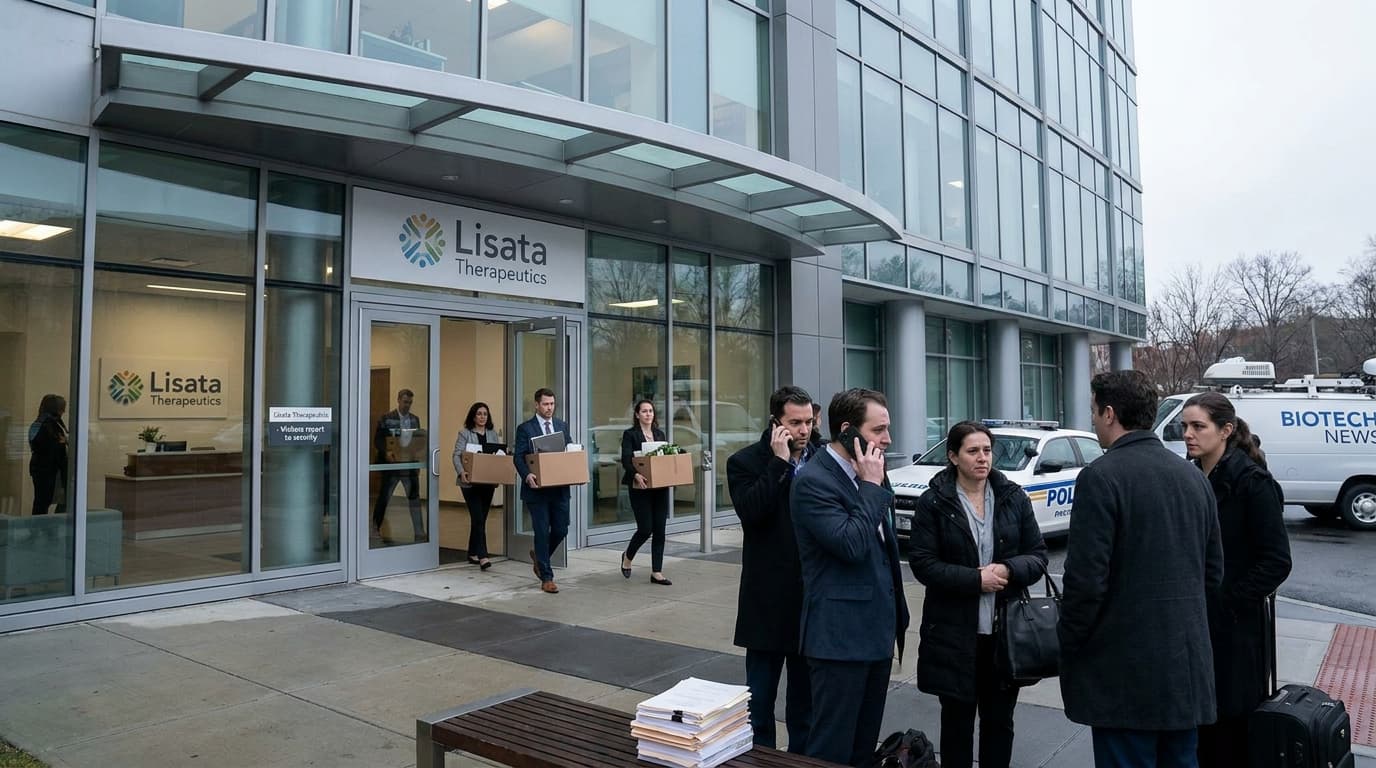
Lisata Slashes Workforce by 72% After Failed Kuva Merger: Implications for Biotech and Beyond

The dramatic staff reductions at Lisata Therapeutics following the collapse of its planned merger with Kuva Labs signal substantial turbulence—not just for the company but for the broader biotech sector, which has witnessed a series of high-profile M&A breakdowns and workforce shakeups in 2026. This article explores the underlying factors, potential repercussions across the industry, and what this portends for M&A-driven growth strategies.
Lisata Therapeutics Announces Major Layoffs Following Failed Merger with Kuva Labs
The biopharmaceutical sector is no stranger to volatility, but few events in recent memory have cast as sharp a spotlight on the inherent risks of mergers and acquisitions as the recent developments surrounding Lisata Therapeutics. On August 4, 2026, Lisata publicized its intention to lay off 72% of its workforce, a drastic move coming in the immediate aftermath of a collapsed merger with Kuva Labs. To further compound the situation, Lisata is also pursuing litigation against Kuva Labs, alleging a breach of the merger agreement. These events pose serious questions for the trajectory of the company, the security of its employees, and the state of M&A activity within the biopharma sector at large.
A Snapshot of the Situation
According to official statements and reports, Lisata Therapeutics had invested significant time and resources into negotiations with Kuva Labs with the aim of catalyzing strategic growth and potentially accelerating its development and commercialization programs. Merger discussions in biotechnology are often complex, involving intricate financial, regulatory, and cultural considerations. When these talks fall apart, the ripple effects can be substantial: uncertainty for staff, disruptions in the research pipeline, and potentially significant legal costs.
At the heart of Lisata's move is a belief that Kuva Labs breached core terms of their merger agreement, leading the company not only to dissolve talks but to seek recourse in court. For Lisata, this is not merely a matter of strategy misalignment; it is perceived as a material breach that has upended the company’s plans and future direction.
The Human Impact: Layoffs and Management Shakeup
The announcement of a workforce reduction exceeding 70% is alarmingly large for any biotech firm. Such layoffs affect a range of employees, from front-line researchers through to management and executive leadership. These cutbacks are not just numbers on a spreadsheet—they represent a loss of institutional knowledge, innovation potential, and, for many, economic stability. In fragile R&D-driven markets, the departure of even a handful of experienced scientists can set programs back by months, or longer.
Furthermore, including a member of the management team in the layoffs signals that the restructuring reaches deep into the organizational chart. When combined with ongoing litigation, this scenario can impart a chilling effect on morale among the remaining team members, and may complicate Lisata's ability to recruit or retain top talent moving forward.
Legal Maneuvers and the Broader M&A Landscape
Lisata's decision to sue Kuva Labs adds yet another layer of complexity to its predicament. Legal action following failed mergers is not without precedent in biopharma, but it is particularly telling in terms of the company’s confidence in the enforceability of its contracts and the seriousness with which it views the alleged breach. For industry watchers, this lawsuit will likely serve as a case study on the enforceability of M&A agreements and the downstream risks of high-stakes dealmaking.
Wider industry dynamics are also at play. The year 2026 has been a notably active one for mergers and acquisitions in the biotech sphere, driven by a need for scale, diversification, and access to novel R&D pipelines. Several headline-grabbing deals have underscored both the promise and peril of such consolidations. However, as this case demonstrates, not every negotiated agreement results in a successful deal. Regulatory hurdles, cultural fit, due diligence revelations, and shifting market conditions can all conspire to derail even the most promising negotiations.
Institutional Fallout and Market Response
While the financial specifics of Lisata’s situation have not been disclosed within the latest reports, market observers will inevitably look for signs of fallout: declining share prices, agitation among investors, and wary partners will all be on the lookout for concrete indications of Lisata’s future trajectory. The loss of a merger partner—and the subsequent layoffs—could significantly diminish Lisata’s competitive positioning in key therapeutic areas.
Simultaneously, the wider market may treat this episode as a cautionary tale regarding aggressive, high-stakes merger strategies. Boards of directors and C-suite executives throughout the industry may now be encouraged to revisit their risk management frameworks, stress test their merger contracts, and double down on due diligence processes.
Looking Ahead: What’s Next for Lisata and the Sector?
Despite the immediate challenges for Lisata—operationally, legally, and reputationally—the company’s actions are part of a broader pattern seen across the biotechnology sector. In recent years, rapid expansion has often resulted in over-commitments, strategic misfires, or deals that unravel under scrutiny. This creates a business environment in which agility, robust legal frameworks, and prudent management of human capital are at a premium.
For affected employees, industry organizations, workforce support groups, and local job placement resources may become a vital part of the response as laid-off workers seek new employment opportunities. Historically, many displaced biotech workers bring their expertise to new ventures, helping catalyze startups and spinouts, though the transition is rarely seamless.
Broader Takeaways for the Biotech Ecosystem
The Lisata-Kuva story exemplifies the double-edged nature of M&A as a growth strategy. Successful deals can create powerful synergies, deliver shareholder value, and accelerate the introduction of innovative therapies. Failed integrations, on the other hand, risk generating major operational and financial setbacks—and can lead to visible disruptions, as in the case of Lisata’s announced layoffs.
For investors, employees, and executives alike, the saga underscores the importance of legal diligence, risk contingency planning, and the maintenance of organizational flexibility amidst rapidly shifting industry currents. As 2026 unfolds, the sector will be watching Lisata’s next steps closely, seeking lessons and strategies to avoid similar missteps.
For further reading and full original reporting, visit BioSpace: Lisata axes 72% of workforce following failed merger with Kuva
Join the BioIntel newsletter
Get curated biotech intelligence across AI, industry, innovation, investment, medtech, and policy delivered to your inbox.