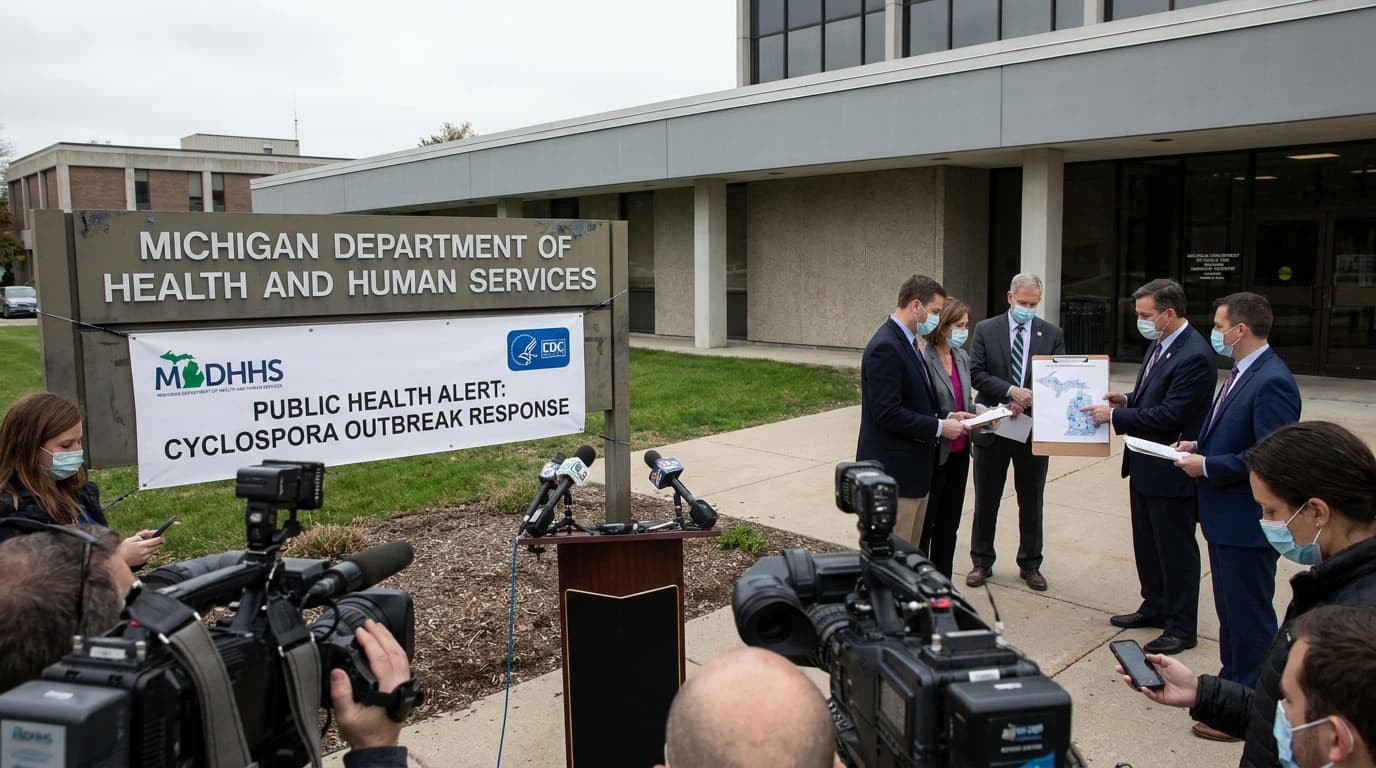
Michigan Reports First Two U.S. Deaths in Cyclospora Outbreak: Public Health Implications and Ongoing Response

The announcement of the first cyclospora-related deaths in the United States underscores both the complexity of foodborne outbreaks and the critical challenges faced by public health agencies as they rush to contain and investigate the spread. This in-depth article explores the background of cyclospora, the specifics of the Michigan outbreak, and broader implications for future prevention and policy.
Introduction
On August 3, 2026, Michigan state health authorities announced the first two fatalities in the United States linked to the ongoing outbreak of cyclospora. The news marks a significant and somber milestone in the nation’s experience with this microscopic parasite, which typically causes gastrointestinal illness but rarely leads to death.
In this extensive report, BioIntel examines the cyclospora outbreak in Michigan from multiple angles—including the relevant science, regulatory landscape, analysis of public health communication, gaps in response, and what this episode could mean for food safety policies going forward.
What Is Cyclospora?
Cyclospora cayetanensis is a single-celled protozoan parasite that causes an intestinal infection known as cyclosporiasis. Unlike more familiar foodborne pathogens such as Salmonella or E. coli, Cyclospora is less commonly encountered in the United States but can pose significant challenges for diagnosis and management.
Key Characteristics of Cyclospora
- Microscopic, making detection in food and water complicated
- Causes gastrointestinal symptoms: watery diarrhea, weight loss, bloating, fatigue, loss of appetite, and stomach cramps
- Transmission is most often through consumption of food or water contaminated with fecal matter
- Persons at elevated risk include those with compromised immune systems, young children, elderly, and people in close living environments
Symptoms generally appear within approximately one week of ingestion and can persist for weeks if untreated. Because initial symptoms can be ambiguous and may include common gastrointestinal complaints, cyclospora infection is frequently misdiagnosed or undiagnosed without specific laboratory testing.
The Michigan Outbreak: Timeline and Key Details
The state health department’s disclosure that two people have died as a result of cyclospora infection is unprecedented in U.S. public health surveillance for this parasite. Authorities have not yet released the identities or additional health details of the deceased individuals. Ongoing investigations are focused on determining whether underlying conditions influenced the outcomes.
According to information released by Michigan officials, the outbreak has affected several counties within the state. The source of contamination—whether a specific food product, water source, or other vector—remains under review. Epidemiological teams have been engaged in both traceback investigations and coordination with federal partners, including the Centers for Disease Control and Prevention (CDC) and the Food and Drug Administration (FDA).
Broader National Context
Historically, cyclospora outbreaks in the U.S. have occurred sporadically, sometimes linked to imported fresh produce such as raspberries, cilantro, basil, and lettuce. Outbreaks frequently spike during the summer months, consistent with national trends in foodborne illnesses.
Regulatory and Surveillance Gaps
One central challenge in combatting foodborne pathogens like cyclospora is the regulatory complexity involved in tracing contamination. Multiple agencies—state and local health departments, CDC, FDA, and, when imports are implicated, the U.S. Department of Agriculture (USDA)—share responsibility for investigating and controlling outbreaks.
Challenges Identified
- Detection Delays: Cyclospora’s microscopic nature, the variability of symptoms, and low clinical suspicion (especially outside outbreak seasons) contribute to delays in recognition and reporting.
- Limited Testing: Many clinical laboratories do not routinely test for cyclospora. Specific requests or outbreak notifications may be required for diagnosis.
- Traceability Issues: Unlike bacteria, cyclospora cannot be grown by culturing, making traditional laboratory traceback difficult. Investigations often rely on patient food histories and environmental testing.
- Regulatory Fragmentation: Divergent lines of authority between federal (FDA/CDC) and state/local officials may delay coordinated interventions.
Lessons from Previous Outbreaks
Past cyclospora outbreaks in the U.S. have led to recommendations for enhanced surveillance, mandatory reporting, and standardized laboratory protocols. Improved communication among stakeholders is essential for early detection and mitigation.
Public Health Response: Current Actions in Michigan
Michigan health authorities have undertaken several steps to contain the outbreak and inform the public:
- Public Alerts: Issuance of press releases and advisories regarding symptoms and the importance of prompt medical attention for gastrointestinal illness.
- Healthcare Provider Notices: Guidance for clinicians to consider cyclospora in differential diagnosis and to utilize targeted testing protocols.
- Traceback Investigations: Collaboration with CDC and FDA to identify, test, and, if necessary, recall contaminated food products.
- Community Outreach: Ongoing communication with local health departments, hospitals, and community organizations.
Response teams are also monitoring for secondary cases and have ramped up surveillance in institutional settings—such as schools, nursing homes, and hospitals—where outbreaks can escalate rapidly.
Risk Factors: Who Is Most Vulnerable?
While most healthy individuals recover fully from cyclosporiasis, certain populations face greater risks:
- Immunocompromised persons (including those with cancer, HIV/AIDS, or on immunosuppressive therapy)
- Elderly adults
- Young children
- Individuals with chronic gastrointestinal or metabolic disorders
For these groups, cyclosporiasis can be more severe and may require hospitalization. The deaths in Michigan have heightened awareness of the potential lethality among vulnerable cohorts.
Communication, Trust, and the Role of Public Health Institutions
Transparent communication remains critical. Authorities have sought to balance the need for public vigilance without inciting unnecessary panic. Ongoing updates on the progress of investigations and preventive recommendations are being provided.
Experts emphasize the importance of:
- Sharing timely, accurate information about symptoms and when to seek care
- Avoiding stigmatization of identified foods or communities
- Reinforcing the message that thorough washing of produce and safe food handling can reduce (but not eliminate) risk
Food Safety and Policy: What Comes Next?
Michigan’s cyclospora outbreak may force a rethinking of current food safety strategies. Although the U.S. food supply is among the safest globally, the emergence of new or previously rare pathogens highlights vulnerabilities.
Points for Policymakers
- Enhanced surveillance for hard-to-detect pathogens
- Investment in rapid diagnostic technologies
- Cross-jurisdictional cooperation among health agencies
- Mandatory outbreak reporting and data sharing
There are also calls for retailers, food service providers, and supply chain partners to adopt more robust risk management and contingency planning measures.
Conclusion: Looking Forward
The first U.S. deaths from cyclospora underscore an important reality: foodborne pathogens continue to pose unpredictable challenges, even in high-resource settings. The Michigan outbreak is a reminder that vigilance, investment in public health infrastructure, and research into emerging threats remain essential priorities for federal, state, and local authorities.
While substantial details of the outbreak investigation are still emerging, the importance of rapid, coordinated, transparent response cannot be overstated. BioIntel will continue monitoring developments as further information becomes available from health officials.
Source: STAT News: Cyclospora outbreak: Two fatalities reported in Michigan
Join the BioIntel newsletter
Get curated biotech intelligence across AI, industry, innovation, investment, medtech, and policy delivered to your inbox.