Michigan Supreme Court Ruling Opens Door for Insulin Pricing Probe: Examining the Legal, Ethical, and Policy Landscape

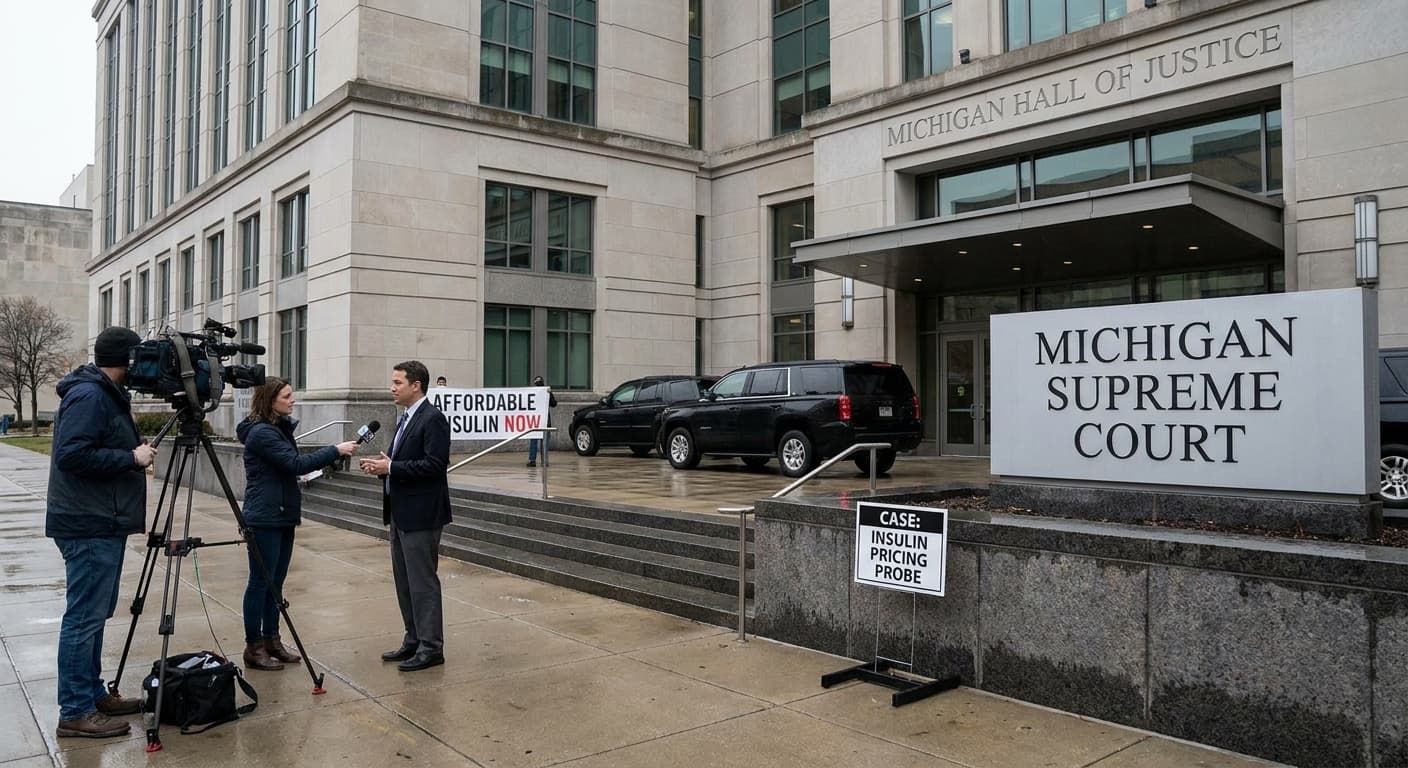
The Michigan Supreme Court ruled that regulators can move forward with an investigation into whether Eli Lilly charged excessively high prices for insulin products. This ruling is set to have far-reaching implications for pharmaceutical companies, patient access, and future regulatory strategies related to drug pricing and public health.
On August 2, 2026, a high-profile decision from the Michigan Supreme Court gave legal legitimacy to a regulatory probe targeting alleged excessive pricing for Eli Lilly’s insulin products. The case, which ignited strong emotions among patients, physicians, pharmaceutical executives, and policy makers, is expected to create fresh precedents for how states and the nation navigate the tangled landscape of drug pricing, patient access, and pharmaceutical accountability.
Legal Background: The Nature of the Ruling
The Michigan Supreme Court’s opinion did not decide whether Eli Lilly violated any laws, but found that investigators can move ahead with their inquiry into the company’s insulin pricing practices. The origin of the dispute traces back to complaints and lawsuits filed by individuals and advocacy groups who alleged that overwhelming insulin costs forced patients to ration doses or forgo the drug altogether, risking severe health complications or death.
The legal question before the court was whether—under Michigan’s consumer protection and relevant pharmaceutical statutes—Lilly could be subjected to a probe regarding “grossly” excessive pricing. In a split decision, the justices sided with state authorities, allowing the investigation to proceed. That outcome marks a new chapter in the relentless national debate about pharmaceutical pricing.
The Accusation: Grossly Excessive Insulin Prices
Eli Lilly, along with other insulin makers, has faced years of scrutiny for charging prices that many believe far exceed the cost of research, production, and distribution. This legal fight in Michigan centers on whether those prices cross the threshold of consumer harm.
Critics allege a long-standing pattern in which prices skyrocketed, even as key patents expired and the actual manufacturing costs dropped. The resulting financial strain has left some diabetes patients in life-threatening positions—forced to choose between medical care and basic needs such as rent or food.
National Implications: Patient Impact and Policy Precedents
The Michigan ruling does not only have local significance. It could become a test case for other states wrestling with similar complaints about pharmaceutical pricing. If Michigan investigators find that Lilly’s prices were indeed “grossly” excessive, it may embolden regulators elsewhere to invoke consumer protection statutes for similar investigations.
Patients and advocacy groups see this decision as a long-awaited counterbalance to perceived abuses in the system. Diabetes organizations have documented stories where patients ration their insulin or skip doses, with at times tragic results. For these communities, government willingness to confront pharmaceutical pricing practices is long overdue.
Conversely, pharmaceutical industry stakeholders argue that such probes are based on oversimplification. They cite rising R&D costs, the need to subsidize innovation, and systemic issues in the supply chain (such as incentivized rebates to Pharmacy Benefit Managers) as drivers behind complex pricing models.
Industry Response: Pharmaceutical Companies on the Defensive
Eli Lilly and other industry voices warn that regulatory overreach could have unintended consequences. They argue that aggressive investigations or price controls may stifle innovation by reducing returns on investment, ultimately hurting patients who depend on the next generation of treatments. Insulin makers assert that they have worked to address affordability, citing patient assistance programs and a trend toward offering lower-priced generic or biosimilar options in certain markets.
Nonetheless, public skepticism remains high, especially after widely reported cases of insulin vials costing hundreds of dollars, while generic alternatives remain inaccessible for many due to insurance formulary design or market exclusivity arrangements.
Regulatory Uncertainty: What Comes Next?
While the Michigan Supreme Court ruling enables the investigation, it leaves open a host of legal and policy questions:
- What is the threshold for “grossly” excessive pricing?
- How much leeway do companies have to defend pricing based on business strategy or systemic industry factors?
- What remedies, if any, can regulators pursue if they find wrongdoing—fines, rebates, price regulation, or even exclusive contracting penalties?
Legal analysts predict these questions may end up in federal court, and that Congress could face renewed pressure to legislate clearer drug pricing oversight mechanisms. The Biden and Trump administrations have both made drug affordability a talking point, yet major reforms to pricing have so far eluded broad bipartisan passage.
Broader Context: U.S. Drug Pricing in the Global Arena
The scrutiny of insulin pricing is particularly acute because diabetes is so prevalent and because insulin is an older, well-established therapy. International comparisons reveal U.S. prices several-fold higher than most other developed countries—leading to claims that American patients bear a disproportionate share of costs.
Some experts argue that this national moment is part of a larger transformation: As patients, states, and even federal agencies take a more aggressive stance on industry price-setting, pharmaceutical companies may face a new era of accountability. At the same time, efforts to lower prescription costs must navigate a minefield of unintended consequences.
Patient Advocacy: Voices from the Ground
Stories of families forced to crowdfund for insulin, wage insurance battles, or even cross borders seeking lower-cost options have become a touchstone in debates about equity in health care access. Advocacy groups see legal victories such as the Michigan ruling as critical to forcing transparency and fairer market outcomes.
Diabetes patients and their families have staged protests, testified before legislative committees, and told their stories to the media for years. The combination of a chronic, life-altering disease and inaccessible treatment highlights systemic weaknesses in American health policy.
Pharmaceutical Innovation: Striking the Right Balance
Despite these challenges, pharmaceutical companies frame themselves as being on the front line of innovation. They note that ongoing investment in diabetes research may lead to breakthrough therapies, better delivery mechanisms, and ultimately, potential cures. Legal and policy decisions must weigh the imperative of affordability against the requirements to fund the “innovation engine” that produces life-saving medicines.
The evolving role of biosimilars, new insulins, and digital health tools for diabetes management also shape the larger narrative. Ensuring continued innovation while enforcing fair pricing is among the thorniest questions policy makers must resolve.
Conclusion: Precedent, Vigilance, and Unresolved Questions
The Michigan Supreme Court’s decision to allow an insulin pricing probe against Eli Lilly marks a pivotal moment for U.S. drug pricing transparency and regulation. While the immediate impact will play out in Michigan, the implications could stretch across state lines, the halls of Congress, and even global markets.
The coming months will be critical as investigators act, pharmaceutical companies defend their practices, and patients and policy advocates continue to press for change. This decision may well be a bellwether for a new regulatory era—one in which affordability, innovation, and accountability are weighed more explicitly in the realm of life-saving medicines.
Sources: STAT News
Join the BioIntel newsletter
Get curated biotech intelligence across AI, industry, innovation, investment, medtech, and policy delivered to your inbox.