Multicare CFO Sounds Alarm: How Decades of CMS Underpayment Are Creating an Unfair Two-Tiered Healthcare System

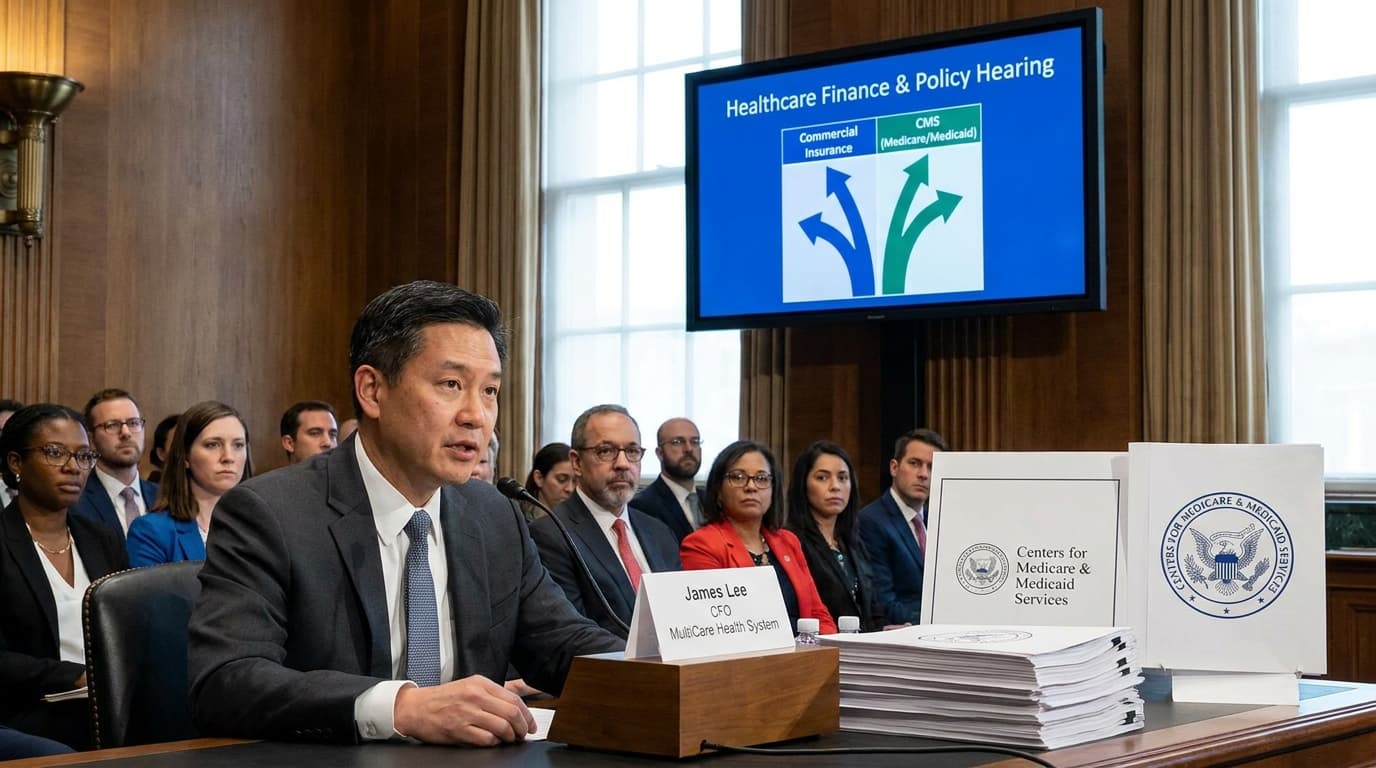
Citing longstanding federal reimbursement shortfalls, MultiCare CFO James Lee describes an emerging two-tier system in U.S. healthcare, one shaped increasingly by disparities between commercial and CMS-covered patients. This analysis explores the foundational causes, broader impacts, and the prospects for policy change.
Decades of evolving health policy and reimbursement mechanisms have profoundly shaped the American healthcare landscape, often with consequences for access and equity that persist long after specific policies are enacted. In recent comments that have sparked conversation across the healthcare industry and policy circles, MultiCare CFO James Lee has drawn attention to the deep structural problems resulting from long-term underpayment by the Centers for Medicare & Medicaid Services (CMS). According to Lee, this systemic financial imbalance is pushing U.S. healthcare toward a 'two-tiered' model—one tier for patients with the backing of commercial health insurance and another for those dependent on government programs such as Medicare and Medicaid.
The Roots and Reality of CMS Underpayment
The concept of underpayment refers to the gap between what commercial insurance pays hospitals and providers for services and what CMS pays via Medicare and Medicaid. Historically, federal reimbursement rates have often failed to keep pace not only with inflation but also with rising resource costs and the increasing complexity of care. Many hospital administrators and industry experts argue that this trend creates a chronic funding shortfall for every patient whose care is reimbursed by CMS, which, over decades, accumulates into a significant challenge for healthcare providers.
James Lee, in his recent remarks, captured the gravity and urgency of the situation. The implications reach far beyond MultiCare: "Decades of government underpayment have pushed U.S. healthcare to a breaking point. The nation is heading toward a two-tier system—one for patients with commercial coverage, and another for those covered through CMS." These words underline a concern felt in health systems nationwide: when one payer class consistently pays less than the cost of care, providers must find other ways to make up the difference, often relying on privately insured patients or putting pressure on their operational budgets.
Understanding the "Two-Tiered" System
A two-tier system, in the context Lee describes, refers to the division in access, quality, and timeliness of healthcare services based on the type of insurance coverage a patient has. Commercially insured patients—typically workers and their dependents with employer-sponsored or private health coverage—are often more attractive to hospitals and providers because their health plans pay higher reimbursement rates. In contrast, patients insured by Medicare or Medicaid routinely encounter lower provider payment rates.
Impacts on Patients
The practical manifestations of a two-tiered system can take various forms:
- Access to Appointments: Providers may limit the number of Medicare or Medicaid patients they see, resulting in longer wait times for publicly insured individuals.
- Choice of Provider: Some specialists or practices may decline to accept patients with government insurance altogether.
- Range of Services: Certain high-cost or less profitable services may become unavailable to patients covered by lower-paying plans.
This dynamic, as Lee and others warn, could result in a system where one group receives more timely or higher-quality care than another purely based on the source of their coverage.
Financial Pressures on Hospitals and Health Systems
The sustainability of hospital operations hangs in the balance when CMS funding doesn't reflect actual care costs. Hospitals—especially safety-net, rural, and community providers—often serve a disproportionate number of public insurance patients. When reimbursements are consistently below the economic cost of providing care, these hospitals face mounting financial losses.
In response, many institutions must:
- Shift Costs to private payers, potentially raising premiums and out-of-pocket costs for those with private insurance.
- Cut Services, reducing the breadth and depth of available care.
- Delay Investments in technology, facilities, and workforce development.
- Consider Closures or Mergers when deficits become unsustainable.
Ultimately, this pressure can lead to a 'consolidate or close' environment, further reducing patient choice and straining health systems, especially in vulnerable regions.
Policy Landscape: Why Has Underpayment Persisted?
While the problem is well-recognized within the healthcare industry, its persistence stems from several complex and interrelated factors:
Budget Constraints
Federal and state governments, tasked with balancing health budgets against other public priorities, often resist significant increases in reimbursement rates.
Political Considerations
Increasing Medicare or Medicaid payments is politically challenging, especially during times of fiscal austerity or when entitlement spending is under public scrutiny.
Regulatory Inertia
The systems for setting CMS reimbursement rates are intricate and slow to change, often based on historical cost data or negotiated formulas detached from real-time costs.
Conflicting Stakeholder Priorities
While providers push for higher rates to reflect true costs, payers and policymakers worry about unchecked budget growth and downstream impacts on taxpayer-funded programs.
Systemic Consequences: The Bigger Picture
If the trend continues, the shift toward a two-tiered system could become entrenched, with wide societal implications:
- Widening Health Disparities: Lower-income and older Americans—who are more likely to rely on Medicare or Medicaid—could consistently get less timely or lower-quality care.
- Market Consolidation: Financially weaker hospitals may be absorbed by larger systems or forced to close, especially if they have high dependency on public programs.
- Increasing Pressure on Private Coverage: As hospitals try to offset public underpayment, commercial insurers may see higher rate demands, translating into increased premiums for employers and individuals.
Looking Ahead: Can The Policy Tide Turn?
Advocates such as Lee are calling for comprehensive policy reforms to rebalance the equation and ensure that all patients, regardless of insurance status, have access to reliable, high-quality care. Proposed solutions include:
- Re-examining CMS Rate-Setting: Updating methodologies to more accurately reflect current care costs, resource use, and inflationary pressures.
- Targeted Support for Safety-Net Providers: Creating supplemental payment programs or grant funding for care centers with disproportionate public payer mixes.
- Cross-Sector Collaboration: Facilitating greater dialogue between government, providers, insurers, and patients to design funding models that prioritize both fiscal sustainability and equity.
- Transparency in Cost-Sharing: Clarifying the 'hidden subsidies' built into commercial coverage as hospitals seek to recoup losses from public underpayment.
The Patient Perspective and Trust in the System
Ultimately, persistently unequal reimbursement not only shapes hospital finances but also colors public perception of the fairness and reliability of the healthcare system. If patients believe that their insurance card determines the level of care they receive—or whether a provider will treat them at all—trust in the system erodes. Addressing these root causes, and moving toward a system where all payers cover the true cost of care, will be essential to restoring confidence and upholding the core promise of American medicine: care for all, not just for some.
For those observing the evolution of policy and practice, the warning sounded by MultiCare’s CFO is both a diagnosis and a call to action. Only through thoughtful, data-driven policy change can the drift toward a two-tiered healthcare system be halted—and the fissures in access and quality be healed.
Sources: MedCity News.
Join the BioIntel newsletter
Get curated biotech intelligence across AI, industry, innovation, investment, medtech, and policy delivered to your inbox.