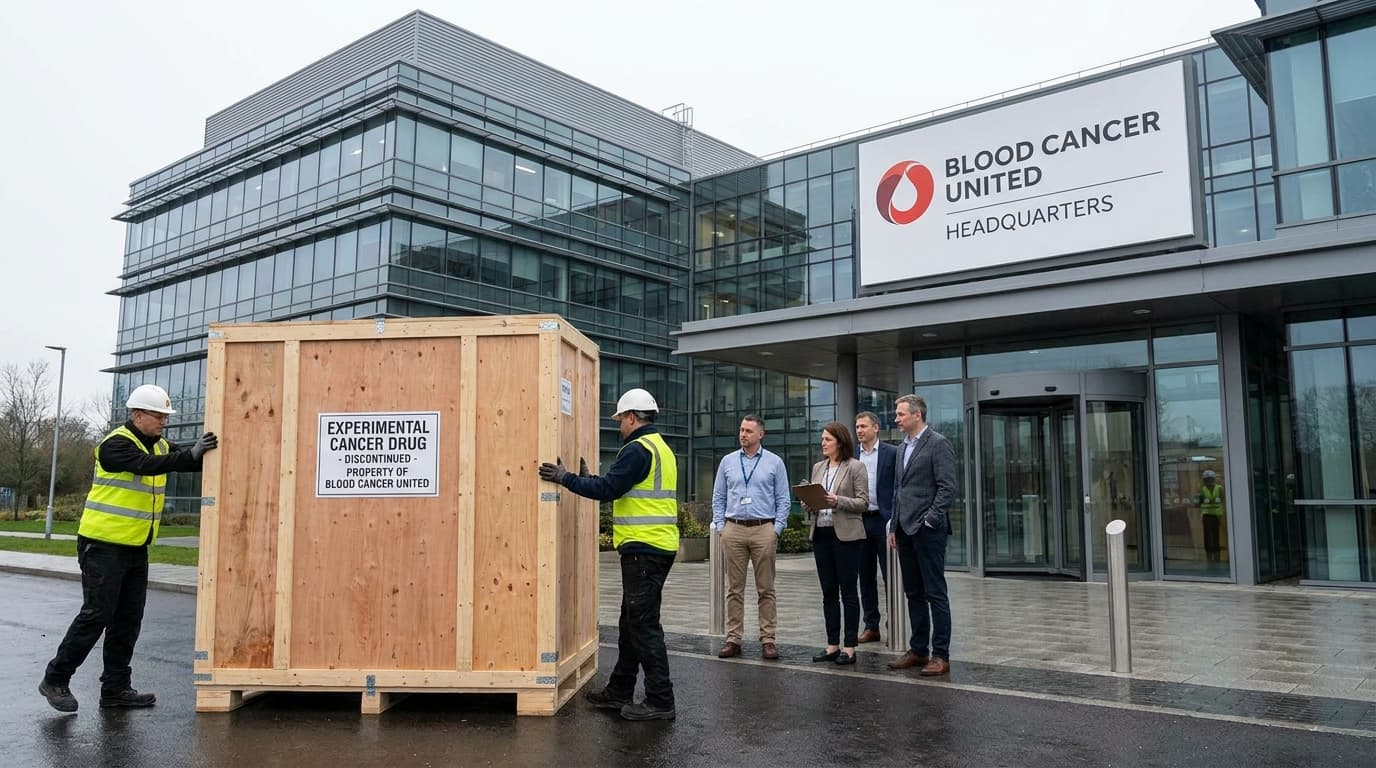
Nonprofit Secures Discontinued Experimental Cancer Drug to Ensure Patient Access

With the discontinuation of a critical investigational cancer therapy, Blood Cancer United’s unprecedented move guarantees continued access for patients in need. This event spotlights the emerging role of advocacy organizations in safeguarding patient interests amidst a dynamic and often volatile pharmaceutical landscape.
Introduction
The dynamics of drug development and access continue to shift, as demonstrated by the recent decision of Blood Cancer United, a nonprofit organization, to purchase the remaining supplies of a discontinued investigational cancer drug. This is a rare but increasingly relevant scenario in the era where discontinuations of promising or viable therapies can leave patients in limbo, particularly in the oncology space. Understanding the implications of this move necessitates exploring the current landscape of drug discontinuations, the needs of rare disease and cancer patient communities, and the distinct role nonprofits are now playing in bridging access gaps.
Context: Discontinued Therapies and Patient Impact
Drug discontinuation is a persistent challenge in the world of cancer therapeutics. Pharmaceutical companies may halt the development and commercialization of investigational agents for a variety of reasons, ranging from strategic business decisions, insufficient clinical results, safety concerns, or simply shifting R&D priorities. For patients who have responded positively or have no alternative treatment options, such discontinuations can cause significant distress and uncertainty.
Why Drugs Get Discontinued
The process of discontinuing a therapy is careful but can leave gaps. Key reasons for halting investigational cancer drug supply include:
- Clinical Trial Results: Sometimes, trial endpoints are not met or there are safety signals
- Financial and Strategic Realignment: Companies may redirect funds toward more promising candidates
- Supply Chain and Manufacturing Hurdles: High production costs or inability to meet regulatory standards
- Commercial Viability: Insufficient projected patient population or market size
Regardless of cause, patients depending on such a drug may face abrupt loss of access.
Nonprofits and Compassionate Use: Filling the Gap
The case of Blood Cancer United marks a growing trend where patient advocacy organizations and disease-focused nonprofits step in to fill the void left by commercial retreat. By securing the remaining drug supply and managing its distribution, nonprofits like Blood Cancer United not only ensure that existing patients can continue their therapy but also set precedents for the future of rare and investigational drug access.
What is Compassionate Use?
Compassionate use, sometimes called expanded access, refers to the use of investigational medical products outside of clinical trials for patients with serious or life-threatening diseases who have no available therapeutic alternatives. Gaining access often requires approval from both the manufacturer and regulatory authorities, making the process challenging, especially when a commercial sponsor walks away.
Blood Cancer United’s Role
Blood Cancer United’s acquisition of this drug’s remaining supplies is not simply an act of advocacy, but an operational shift. The nonprofit now assumes the logistical, regulatory, and ethical responsibilities once handled by the manufacturer—including distribution, patient identification, education, and monitoring. Blood Cancer United’s involvement also brings attention to the need for long-term sustainability plans for discontinued but necessary therapies.
The Broader Landscape: Nonprofit Participation in Drug Supply
Instances like this are still a minority, but they highlight a growing trend:
- Nonprofits and Patient Access: Organizations now routinely lobby for or directly manage expanded access programs
- Partnerships with Industry: Some nonprofits negotiate agreements to secure supplies or continued manufacturing for essential discontinued drugs
- Policy Influence: Advocacy groups participate in legislative efforts to mandate ‘right-to-try’/compassionate use provisions and public funding upkeep for vital therapies
Implications for Oncology and Rare Disease Communities
The immediate impact is felt by patients currently benefitting from the discontinued drug. However, the implications extend across the rare disease and oncology communities:
- Improved Patient Agency: Patients and caregivers increasingly collaborate with nonprofits to demand access, transparency, and continuity of care
- Pressure on Biopharma: Examples like this may influence future company decisions about drug discontinuation and end-of-supply strategies
- Model for Future Interventions: Blood Cancer United’s model could inspire similar action elsewhere, especially in rare, pediatric, or chronic disease landscapes
Risks and Operational Challenges
While commendable, such nonprofit interventions are not without risks and difficulties:
- Regulatory Compliance: Nonprofits must comply with drug storage, tracking, and reporting requirements
- Financial Burden: Managing the cost of drug acquisition, distribution, and patient management can strain limited resources
- Legal and Ethical Responsibility: Appropriately prioritizing recipients and ensuring ongoing safety monitoring can be deeply complex
Conclusion: Evolving Roles in Patient Access
The actions of Blood Cancer United to purchase a discontinued investigational cancer drug reflects the growing influence of patient advocacy groups in the biopharmaceutical ecosystem. As pharmaceutical manufacturers continue to pursue agile portfolios and are sometimes forced to discontinue drugs, the need for alternate guardians of patient access becomes more acute.
With this move, Blood Cancer United not only ensures that patients relying on this drug retain access, but also highlights the urgent, evolving intersection of advocacy, business, and ethics in medicine. This case will likely prompt further discussion on how access and continuity can be sustained for vulnerable patient populations when commercial pathways fail—and whether the nonprofit sector is equipped to serve as a consistent safety net. Industry stakeholders, policymakers, and patient communities will no doubt be watching closely to see how this precedent shapes the future of discontinued drug management and compassionate use policies.
Join the BioIntel newsletter
Get curated biotech intelligence across AI, industry, innovation, investment, medtech, and policy delivered to your inbox.