Novartis Abandons Mid-Stage Radiopharma Asset While Pluvicto Surges

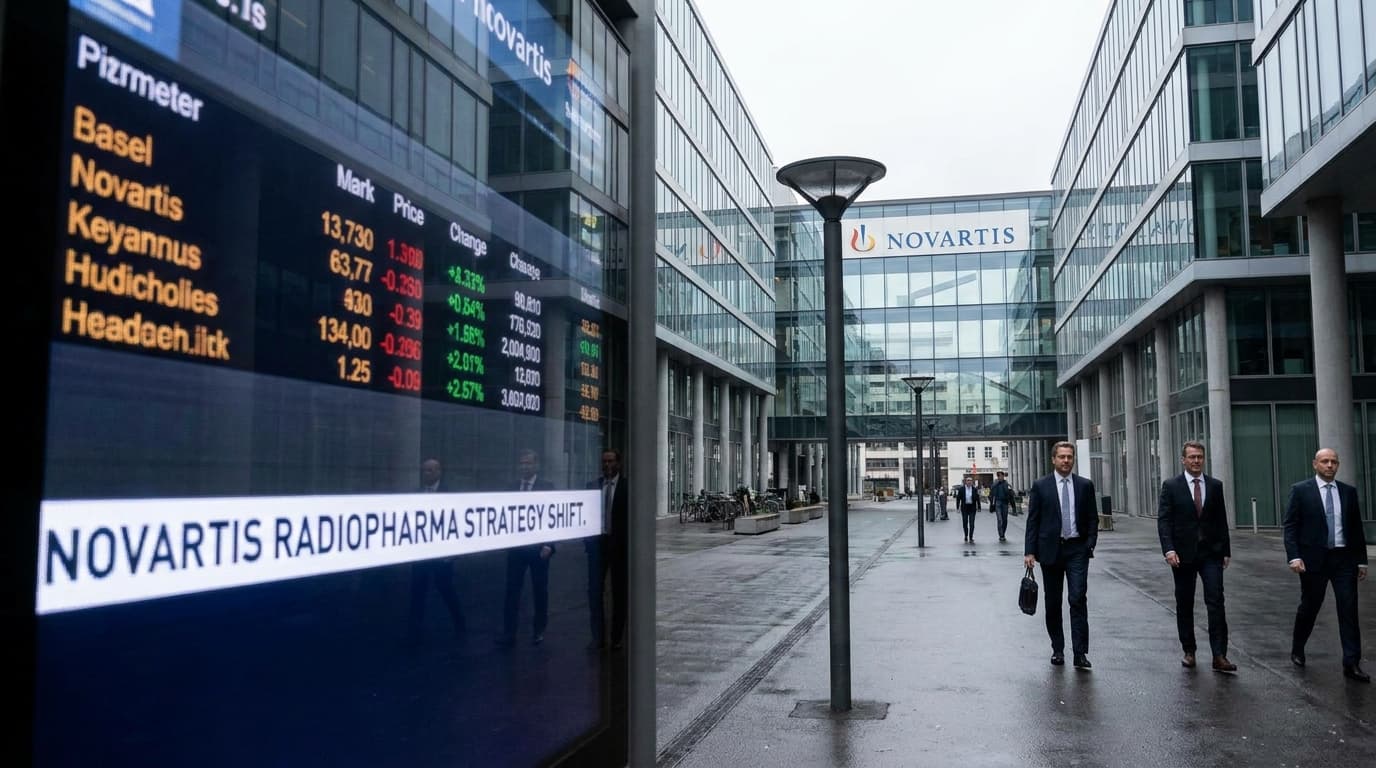
In a notable move, Novartis has discontinued development of a mid-stage radiopharmaceutical asset following unsatisfactory clinical data. This decision underscores the competitive dynamics of oncology R&D and highlights the shifting investment landscape as the company doubles down on its successful asset, Pluvicto.
Novartis, one of the global pharmaceutical industry’s most influential players, has made the strategic decision to discontinue a mid-stage radiopharmaceutical asset targeting breast cancer and solid tumors. This move, prompted by disappointing clinical trial data, artfully illustrates the challenges even large, resource-rich companies face as they seek innovation in the fiercely competitive oncology market. At the same time, Pluvicto, another radiopharma product in Novartis’s portfolio, continues to demonstrate market success, shaping the company’s near-term priorities and strategy.
Radiopharma: Innovation, Hopes, and Hurdles
Radiopharmaceuticals have risen to prominence within oncology for their ability to deliver targeted radiation directly to tumor sites. These products offer the promise of higher efficacy with reduced off-target effects, a vision that has garnered substantial investment and interest from both industry players and investors. However, as with all cutting-edge modalities, the promise is tempered by the reality of drug development—complex science, tough clinical endpoints, and the continual risk of clinical failure.
The Discontinued Asset: Context and Rationale
The asset in question had been in development for breast cancer and other solid tumors, two highly contested and demanding therapeutic categories. Novartis’s decision to halt progress followed a data review that did not support continued investment. According to a company spokesperson, the clinical results were disappointing—a term that in the world of oncology often indicates that the product failed to show significant advantage over existing therapies or meet other key clinical endpoints.
In today’s biopharmaceutical landscape, the threshold for clinical and commercial viability remains exceedingly high, particularly in fields like oncology where the number of late-stage and second-line treatment choices continues to grow. Companies must weigh not only the efficacy and safety of their products but also potential differentiation, market penetration ability, and likelihood of payer acceptance. The cost of selling a marginally effective drug may be unsustainable in a climate increasingly focused on value-based care.
Pluvicto: A Study in Contrasts
While one asset falters, another soars. Pluvicto, Novartis’s radioligand therapy for cancer, has seen significant commercial momentum, bolstered by robust clinical outcomes and increasing adoption. The divergent outcomes between these two assets reflect the inherent unpredictability of drug R&D, even within the same company and therapeutic class.
Strategic Realignment: Lessons for the Sector
Novartis’s decision to pull the plug on the underperforming asset is emblematic of a growing trend across the pharmaceutical industry: focus, prioritize, and maximize impact. As development pipelines swell, companies are compelled to allocate capital and resources to those projects with the best risk-benefit profiles and near-term potential.
Innovators and large companies alike are increasingly eschewing “just in case” candidate advancement in favor of a streamlined, data-driven approach. In practice, this means abandoning programs that do not show clear efficacy advantages, even if the asset had appeared promising in preclinical or early-stage studies. This discipline, tough as it can be, is ultimately in service of more sustainable business models and ensures that the most effective therapies make it to patients in need.
The iterative process of asset pruning, reallocation of resources, and refined pipeline management is now part of the broader sector’s DNA. Notably, these moves impact not just corporate balance sheets but also investor sentiment, patient advocacy landscapes, and even the perceptions held by regulatory and reimbursement authorities.
Oncology R&D: High Stakes and High Uncertainty
Oncology research remains an area of both great expectation and frequent disappointment. The bar is set particularly high by stringent regulatory requirements, competitive benchmarks, and evolving expectations from patients and advocacy communities. For each “breakthrough,” there are numerous setbacks, with companies forced to make difficult “go/no-go” decisions at every stage.
Failures, while costly and at times discouraging, offer important learnings and reflect the healthy, dynamic nature of drug discovery and development. In today’s market, companies simply cannot afford to run every program to its natural endpoint if data fails to justify further investment. This discipline is sharpening innovation, promoting focus on only the most promising assets, and instilling a more stringent approach to resource management.
Investor and Industry Implications
For investors, such developments are a reminder of the volatility inherent in biopharmaceutical R&D—particularly in cutting-edge fields like radiopharma. The ability to successfully bring an innovative therapy to market provides significant upside, but each high-potential asset carves its path through a thicket of risk, regulatory scrutiny, and scientific unknowns. Prudent investors and industry observers will watch how Novartis redirects its efforts, particularly how it continues to fuel growth in its Pluvicto program, while potentially seeking new external opportunities to refresh its oncology pipeline.
The company’s public handling of this discontinuation is also instructive. By communicating transparently about pipeline changes, Novartis is setting expectations both within the sector and in the broader financial community. Such openness can bolster credibility, providing reassurance that difficult decisions are made to protect long-run value and operational integrity.
Sector Outlook: Resilience and Adaptation
Across the biopharmaceutical sector, the attrition of drug candidates—even at later stages—is an expected, if unwelcome, reality. Companies must remain agile, responding quickly to new data, shifting market conditions, and emergent scientific understanding. Those firms most successful at navigating these waters will likely feature nimble portfolio management, robust external innovation-scouting strategies, and a willingness to accept failure as a foundational part of progress.
As radiopharmaceuticals mature, clinical and commercial expectations will only intensify. The experiences of companies like Novartis signal both the potential and the pitfalls: While some assets rise to prominence and define new standards, many others will quietly exit in the face of negative data. This cycle is essential not only for financial sustainability, but also for ensuring that patient populations receive only the safest and most effective options.
Closing Thoughts: Innovation Hinges on Disciplined Choices
The discontinuation of a promising asset is never news that biopharma companies—or their investors—welcome. Yet, this reality is part and parcel of a sector where discovery, risk, and reward are closely intertwined. Novartis’s latest strategic move, set against the backdrop of Pluvicto’s success, offers a lesson in both discipline and perseverance for the entire industry.
In conclusion, as biopharma innovation pushes forward, judicious decision-making around drug development portfolios remains paramount. Investors, clinicians, and patients alike will be watching how Novartis and its peers adjust their pipelines and priorities—staking out the next era of therapeutic breakthroughs, shaped just as much by what they abandon as by what they advance.
Join the BioIntel newsletter
Get curated biotech intelligence across AI, industry, innovation, investment, medtech, and policy delivered to your inbox.