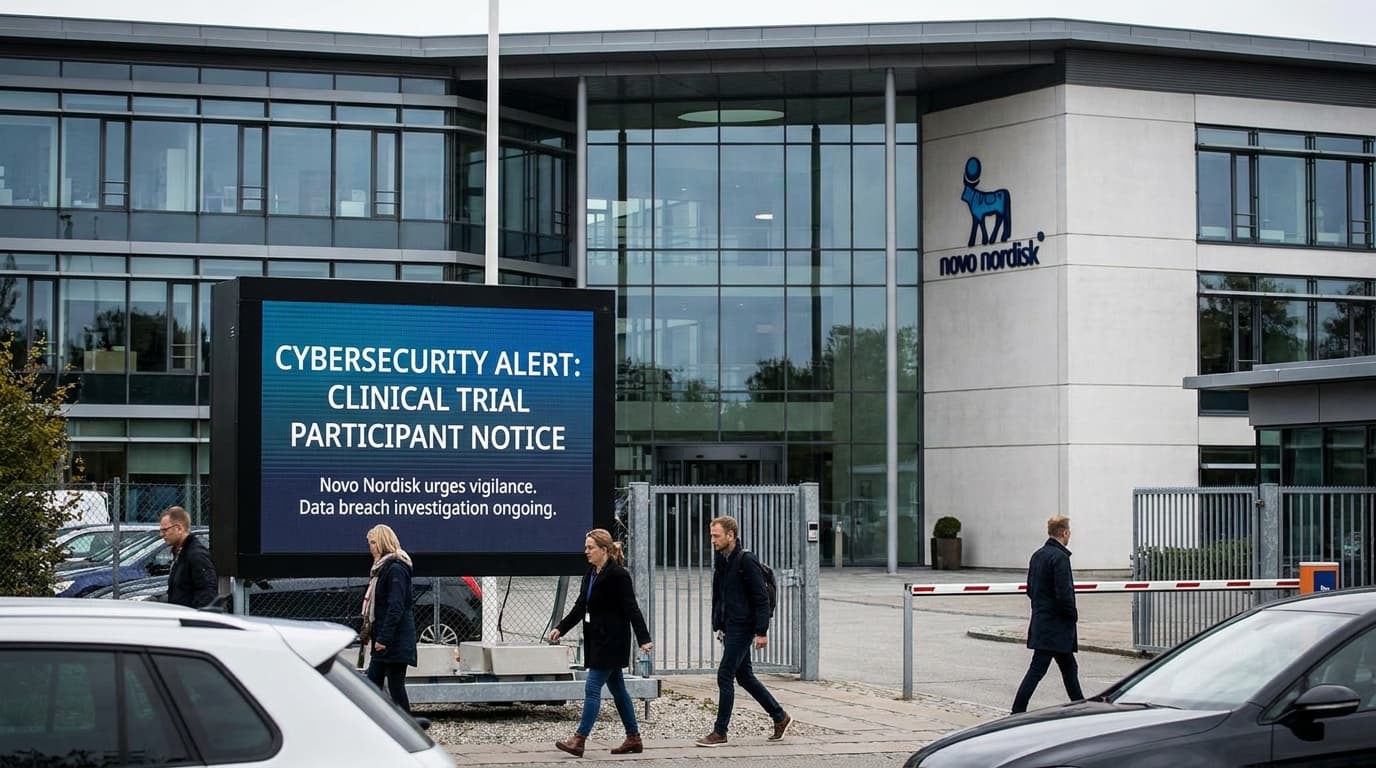
Novo Hit with Cybersecurity Breach: Trial Participants Urged to be Vigilant

Novo Nordisk communicated that a recent cybersecurity attack resulted in unauthorized access to proprietary clinical trial data, raising concerns about patient privacy and the robustness of data safeguards in the pharmaceutical industry. While Novo maintains that direct identification of trial participants is unlikely, the incident underscores rising cybersecurity risks in biopharma.
Introduction
The biopharmaceutical industry continues to demonstrate remarkable advances in therapeutics and clinical research, but it is also increasingly vulnerable to new and evolving cyber threats. The recent cybersecurity breach at Novo Nordisk—a leading multinational pharmaceutical company—has revealed such vulnerabilities and brought into sharp focus the need for vigilant data security protocols, especially as the industry becomes ever more reliant on digital systems for drug development and clinical trial operations.
Novo Nordisk disclosed that an unauthorized party gained access to clinical trial patient information. The company has asserted that, despite the intrusion, third parties should not be able to directly identify trial participants. Nevertheless, the episode highlights the inherent risks of handling sensitive medical data and the necessity for both sponsors and participants to be acutely aware of privacy concerns.
The Breach: What Novo Nordisk Says Happened
According to company statements, the breach involved unauthorized access to data related to patients participating in clinical trials sponsored or conducted by Novo Nordisk. While the specific scope and method of the breach were not detailed in the initial communications, key points emerged:
- The information accessed was not, per Novo Nordisk, sufficient to allow identification of individual trial participants by unauthorized parties under typical circumstances.
- The company has implemented security review procedures and has communicated the incident to relevant stakeholders and authorities.
- Novo Nordisk urged participants in its clinical trials to exercise vigilance regarding the potential misuse of their personal data.
Cybersecurity in the Pharmaceutical Sector: A Growing Target
The pharmaceutical sector is increasingly targeted by cybercriminals and state-sponsored actors due to the sensitive nature of the information it houses—from trade secrets, research data, and proprietary formulas, to vast datasets of personal health information (PHI) pertaining to both trial participants and broader patient populations. Clinical trial data, in particular, frequently include patient demographics, adverse event profiles, biomarker data, and sometimes unblinded identities crucial to scientific validity and regulatory compliance.
With high-value targets and potential geopolitical motivations, cyberattacks on pharma companies have multiplied, with incidents affecting companies of every size. The implications for public health, intellectual property rights, and individual privacy are vast.
Data Protection in Clinical Trials: Regulatory Expectations and Industry Practices
Clinical trial sponsors are subject to stringent data protection regulations worldwide, including HIPAA in the United States and GDPR in the European Union. These regulations compel companies to safeguard PHI and to promptly report breaches to regulatory authorities and, in some cases, affected individuals. The growing integration of electronic data capture, direct-to-patient digital platforms, and telemedicine in trials expands the attack surface for would-be intruders.
In the Novo Nordisk breach, the company’s assertion that direct identification was not facilitated by the accessed data is significant—yet the potential for indirect re-identification remains. Names, addresses, or direct identifiers may not have been compromised, but combinations of demographic and clinical data could potentially be exploited with advanced data analytics or if cross-referenced with other compromised datasets.
Novo Nordisk’s Response: Providing Reassurance and Recommendations
In its communications, Novo Nordisk stated explicitly that, based on current knowledge, the nature of the accessed data would not enable unauthorized parties to identify individuals participating in its clinical trials. Nevertheless, the company has encouraged vigilance among those involved in its studies.
Standard recommendations following any breach where personal data are involved include:
- Monitoring for suspicious communications (such as phishing attempts or fraudulent calls purporting to be from Novo Nordisk or its partners)
- Reviewing credit reports and medical insurance information for unrecognized activity
- Reporting any suspicious activity to Novo Nordisk and relevant authorities
- Adhering to robust personal digital hygiene, such as not sharing passwords, using multi-factor authentication, and being wary of links or attachments in unsolicited emails
Industry Trends: Pharma Cybersecurity on High Alert
The Novo breach is not an isolated incident; in the past three years, several other life sciences companies, contract research organizations, and health systems have reported significant cyber intrusions. Phishing, ransomware, and other cyberattacks can disrupt clinical operations, compromise patient data, and create liabilities under stringent privacy regulations.
Industry analysts point to the increasing adoption of advanced digital tools in clinical research—including e-consenting, mobile health apps, virtual visits, and decentralized trials—as a source of both opportunity and risk. Each new digital interface creates a potential point of entry for cybercriminals, raising the stakes for all stakeholders in the clinical research ecosystem.
Patient Trust and the Importance of Transparency
For clinical trial participants, trust is paramount. Individuals volunteering for research are making an invaluable contribution to medical advancement, and they rightly expect that their personal information will be protected to the highest industry standards. Breaches like the one experienced by Novo Nordisk highlight the dual responsibility of sponsors: to protect data and to communicate openly about incidents when they occur.
Transparency in notifying trial participants and regulatory agencies is essential. It allows affected parties to take appropriate precautions and helps maintain the integrity of the research enterprise. For pharmaceutical sponsors, clear and proactive communication is also a marker of corporate responsibility and an essential tool for maintaining the public’s trust.
Regulatory Scrutiny and Legal Ramifications
Data breaches in pharmaceutical contexts may spark regulatory investigations or legal action. Regulatory bodies, including the FDA, EMA, and national data protection authorities, require robust reporting protocols and expect full cooperation and disclosure when breaches occur. Companies can face substantial financial penalties for non-compliance or for failing to take adequate preventive and remedial measures.
What This Means for the Future of Pharma Security
The Novo Nordisk breach serves as an inflection point for the industry. It marks a continuation of the growing recognition that robust cybersecurity frameworks are not ancillary, but central, to successful pharmaceutical development and commercialization. Biopharma companies will increasingly invest in:
- Advanced encryption and data anonymization techniques
- Cybersecurity audits by independent contractors
- Employee and contractor training to identify and avoid phishing and malware traps
- Rapid incident response teams to minimize harm and coordinate notifications
- Collaborative efforts with regulators and industry consortia to share best practices
Conclusion
Novo Nordisk’s recent cybersecurity breach—while reportedly not compromising the ability to directly identify clinical trial participants—raises important questions about the security of sensitive medical and research data in an era of widespread cyber threats. For trial participants, vigilance remains paramount, while for the industry, the episode is a reminder that investment in robust, adaptive cybersecurity measures is now an essential pillar of pharmaceutical research and operations. As biopharma moves deeper into the digital age, the interplay between privacy, patient trust, and industry accountability will only intensify.
Source
Read more at BioSpace: Novo hit with cybersecurity breach, urges vigilance among trial participants
Join the BioIntel newsletter
Get curated biotech intelligence across AI, industry, innovation, investment, medtech, and policy delivered to your inbox.