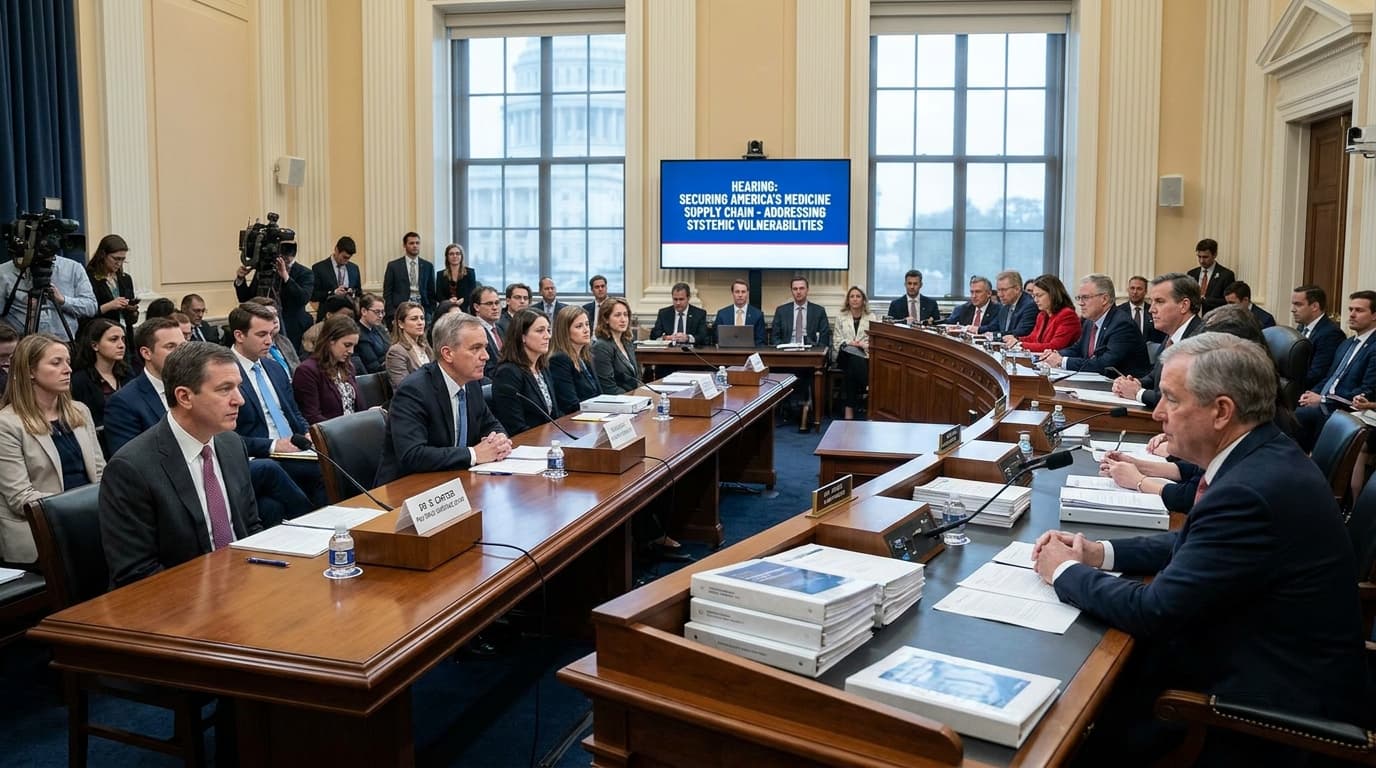
The Persistent Challenge of Drug Shortages in the United States: Analyzing a Systemic Problem

While the number of drugs in shortage dipped in 2025, the United States continues to grapple with a deeply rooted issue in prescription medicine supply. This blog explores the multifactorial drivers of drug shortages, the public health consequences, and the complex web of policy, industry practices, and global market influences that fuel an ongoing crisis for providers and patients.
Introduction
In the United States, the consistent accessibility of prescription medications is a cornerstone of public health. However, drug shortages have loomed as a perennial threat to patient care, practice efficiency, and system reliability. According to a new analysis cited in STAT+, the number of prescription drug shortages in the U.S. fell by 23% in 2025. This encouraging datapoint, however, offers only a partial respite: the report points to "other troubling signs" about medicines in short supply. The implication is clear—a complex, systemic challenge persists, with ripple effects throughout health care delivery and policy.
The Meaning of a 'Systemic' Problem
To call drug shortages a "systemic" problem is to recognize that the issue transcends episodic supply hiccups. Instead, it underscores structural weaknesses embedded in the pharmaceutical supply chain, regulatory environment, and market incentives. These vulnerabilities are not new, but they have become increasingly evident as recurring crises disrupt access to essential therapies.
Defining Drug Shortages
A drug shortage is, by definition, any situation where the total supply of a prescription medicine cannot meet current or projected demand at the patient or provider level. Sometimes, such shortages involve high-profile, critical drugs—such as cancer chemotherapies, anesthetics, antibiotics, or pediatric medication. In other cases, more specialized or generic products become difficult to source, upending routine care or triggering expensive, less-effective substitutions.
Historical Context and Recent Trends
The United States has witnessed multiple waves of medicine shortages over the last decade, many attributed to factors including manufacturing disruptions, quality issues, raw material scarcity, supplier concentration, market exits, and sudden surges in demand. While the reduction in reported shortages last year offers some optimism, the analysis cited in STAT+ indicates that risk factors (such as thin inventories, fragile supplier networks, and minimal domestic manufacturing of critical generics) remain prominent.
Underlying Drivers of Drug Shortages
To appreciate the persistence of this phenomenon, it is essential to examine the primary root causes:
1) Manufacturing and Quality Problems
A significant share of shortages arises from manufacturing interruptions—either voluntary (for upgrades or business decisions) or involuntary (for regulatory reasons citing quality violations or contamination). As pharmaceutical production becomes increasingly complex, reliance on a handful of suppliers or facilities amplifies risk; a single closure can derail the entire supply chain for a medication.
2) Economic Dynamics
The generic drug market is particularly susceptible to shortages. Many generic products yield razor-thin profit margins, which can discourage investment in capacity and redundancy. In some cases, only one or two manufacturers produce critical off-patent drugs, putting the entire supply at risk of disruption. When shortages arise, market forces do not always incentivize rapid ramp-up or new entrants due to regulatory barriers or persistent low returns.
3) Globalization of Supply Chains
The globalization of pharmaceutical manufacturing means that active pharmaceutical ingredients (APIs) and finished drugs are often produced across several countries. Political instability, trade disputes, pandemics, and logistical breakdowns can all impede smooth cross-border flows. The COVID-19 pandemic, for example, exposed the dangers of over-reliance on offshore suppliers—a lesson that still reverberates.
4) Regulatory Complexity
Regulatory scrutiny is essential to guard quality and safety, but the increasing rigor and scope of compliance requirements can create bottlenecks when problems are identified. Delays in resolving regulatory warnings, recalls, or import bans can extend shortages, especially if alternative sources are not readily available.
5) Just-in-Time Inventory Models
Many health systems and suppliers operate on thin inventories to contain costs, a practice that leaves little buffer for absorbing supply shocks. When disruptions occur, hospitals and pharmacies may quickly exhaust their stocks, compounding the effects of the initial shortage.
Consequences for Patients and Providers
The real-world impact of persistent drug shortages is measured in clinical risks, provider stress, and system inefficiencies:
- Patient Harm and Adverse Outcomes: Substitute therapies may not be as effective or safe, particularly in fields like oncology, infectious diseases, or acute care. Some patients experience delays, suboptimal dosing, or forced medication switches that elevate the risk of errors or complications.
- Operational Disruption: Pharmacies and hospital systems must devote significant resources to sourcing alternatives, updating protocols, and managing rationing strategies. These efforts divert attention and budgets from other vital initiatives.
- Economic Costs: Drug shortages strain financial resources through increased acquisition costs for alternatives, expedited shipping, and legal risks associated with off-label substitutions.
Policy and Industry Responses
Multiple stakeholders recognize the need for coordinated, long-term strategies to address the systemic roots of medicine shortages. Key measures being debated or implemented include:
Strengthening Domestic Manufacturing
Government initiatives and public-private partnerships are underway to build domestic capacity for critical drugs and APIs. These efforts aim to create a more resilient, geographically diversified supply base.
Incentivizing Redundancy and Resilience
Policymakers are evaluating incentives (e.g., tax breaks, price adjustments, guaranteed purchase contracts) to encourage manufacturers to build more redundancy into their supply flows or to maintain stockpiles of vulnerable drugs.
Enhancing Transparency
Mandatory reporting of shortages and supply chain vulnerabilities is increasing. New regulations require manufacturers to provide more timely and comprehensive inventory reports, helping health systems plan ahead.
Regulatory Flexibility
The FDA and other agencies are seeking to streamline approvals for alternative sources or imports when domestic shortages occur, balancing urgency with quality assurance.
Looking Ahead: The Mixed Outlook
While the modest decrease in drug shortages over the past year is a notable achievement, experts point out that the core vulnerabilities remain largely intact. Systemic risks—economic, logistical, regulatory, and geopolitical—continue to threaten stability.
Analysts and policymakers emphasize that there is no "silver bullet" solution: piecemeal interventions, such as improving manufacturing oversight or localizing supply, must be integrated into a holistic resilience strategy. Ongoing diligence will be required by regulators, manufacturers, and health systems to monitor emerging risks, respond swiftly to disruptions, and ensure that patients' access to essential medicines is protected.
Conclusion
Drug shortages in the United States will remain a subject of intense scrutiny and controversy as stakeholders engage in debates over solutions, responsibility, and market incentives. The recent decline in reported shortages is encouraging but not adequate to ensure the long-term resilience of America’s drug supply. Policymakers, the pharmaceutical industry, and advocacy groups must continue to push for multifaceted approaches that span the supply chain, manufacturing, regulation, and economic policy. Only through ongoing vigilance and structural reform can systemic vulnerabilities be addressed and adequate access to lifesaving medications be assured for all Americans.
Source: STAT+: The shortage of many medicines in the U.S. remains a ‘systemic’ problem, a new analysis finds
Join the BioIntel newsletter
Get curated biotech intelligence across AI, industry, innovation, investment, medtech, and policy delivered to your inbox.