A Prescription for Drug Costs: Injecting Transparency and Improving Accessibility

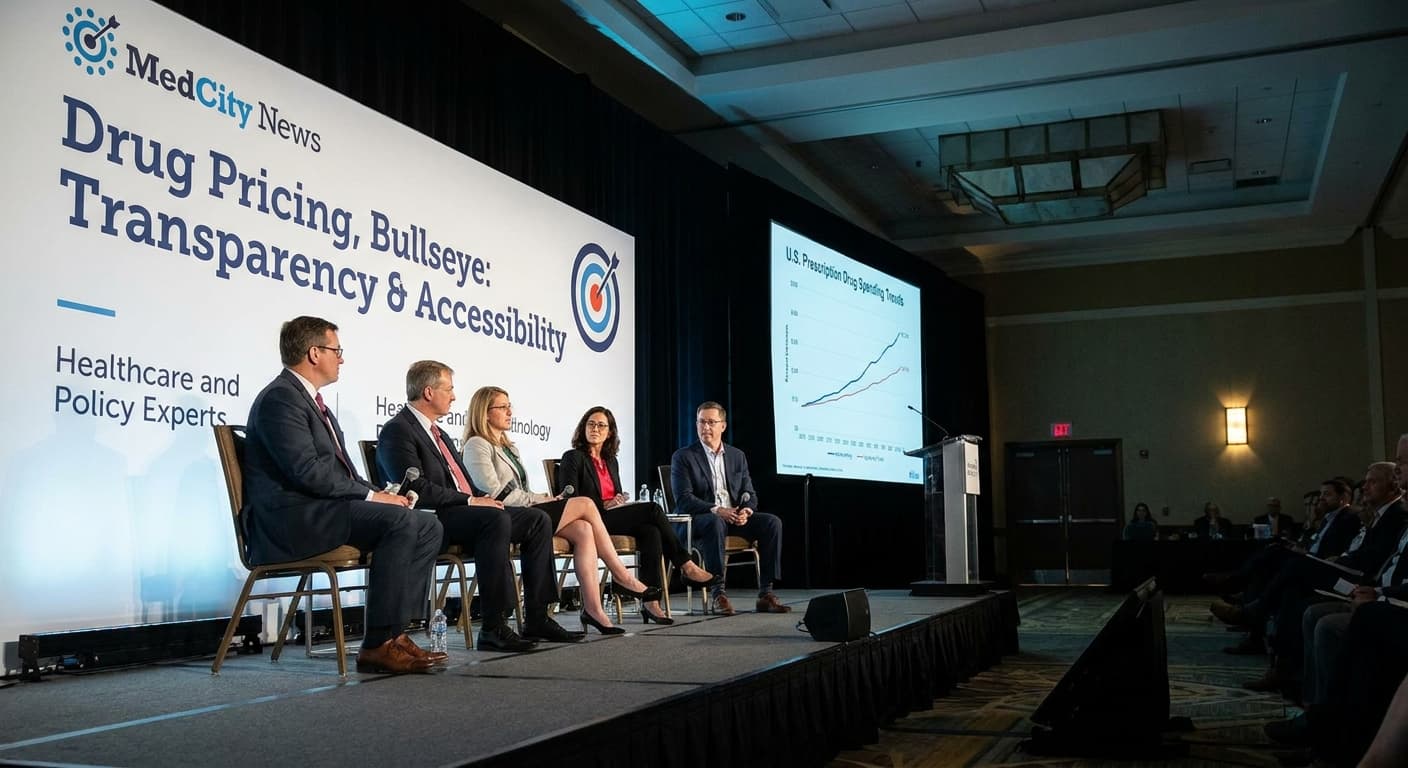
U.S. drug spending continues to rise, but the benefits remain unevenly distributed, leading to pressing questions about affordability and access. In a recent panel at MedCity News’ Bullseye event, industry experts dissected the ongoing evolution of the prescription drug marketplace, focusing on transparency and accessibility as the next frontiers for improvement.
Introduction
The landscape of prescription drug pricing continues to be a focal point for policymakers, healthcare providers, industry stakeholders, and—most acutely—patients. U.S. drug spending has climbed steadily over decades, a trend that compounds the urgency of ensuring everyone can access the medications they need. However, as drug prices increase, significant segments of the population remain unable to obtain essential therapies. This disconnect has intensified calls for greater transparency and for strategic reforms aimed at improving accessibility. At a recent MedCity News’ Bullseye event, a panel of healthcare experts assembled to discuss the evolving prescription drug marketplace and to explore how injecting transparency could be paired with initiatives to boost access.
The Growth of Prescription Drug Spending
Spending on prescription medications has been rising year after year. Multiple factors contribute to this trend, including increased utilization, the introduction of novel therapies—often targeting rare or complex conditions—expanding indications for existing drugs, and the persistent upward pressure on launch prices for new medications. At the same time, the complexity of drug supply chains, pricing mechanisms, and the role of intermediaries like pharmacy benefit managers (PBMs) have added layers of opacity that make it challenging for both patients and regulators to discern actual costs.
The Modern Drug Marketplace
The prescription drug marketplace is not static; it is shaped by a combination of regulatory interventions, market forces, and the evolving needs of patients. Pharmaceutical companies continue to invest in research and development, leading to breakthrough therapies, yet pricing strategies for new drugs frequently ignite debates about value, sustainability, and fairness. On the payer side, insurers regularly modify formularies, coverage rules, and negotiation tactics in response to both fiscal pressures and regulatory requirements, balancing the imperative to manage costs with the need to provide access.
The Transparency Deficit
A recurring theme in the discussion was the lack of visibility into how drug prices are set and what levers drive those prices. Patients encounter a bewildering range of costs even for the same drug, depending on insurance coverage, pharmacy choice, and the particulars of benefit design. This lack of transparency obscures the true cost of innovation and can create barriers for patients, especially if high out-of-pocket spending is required.
Regulatory efforts such as requirements for price disclosures in direct-to-consumer advertising and proposals to mandate public disclosure of pricing and rebate arrangements have generated attention but have only chipped away at the larger challenge. The need for more radical transparency—cutting through the haze of confidential rebates, discounts, and list-price versus net-price disparities—remains a top priority for many health policy observers.
Accessibility: The Unfinished Agenda
Disparities in Access
The central paradox facing U.S. healthcare is that mounting investment in pharmaceuticals does not guarantee equitable access. Coverage gaps, high deductible insurance plans, and benefit design complexity perpetuate disparities. Vulnerable populations—uninsured and underinsured Americans, as well as those with chronic conditions—face the harshest consequences. Even with the growth of patient assistance programs, copay coupons, and nonprofit interventions, too many individuals report delaying or foregoing medications due to cost.
Regulatory and Market Responses
Stakeholders are experimenting with an array of policy solutions. Proposals include price caps for certain classes of drugs, reference pricing based on international comparisons, the implementation of value-based contracts that link payment to therapeutic outcomes, and expanded authority for government programs to negotiate directly with drug makers. On the private sector side, some employers and insurers are piloting alternative payment models, pooling purchasing power, or partnering with transparent PBMs to align incentives.
The Role of Virtual and Digital Solutions
The digital transformation of healthcare is also beginning to impact the drug marketplace. Telemedicine platforms and digital pharmacies can potentially lower access barriers—offering price-comparison tools, streamlined prescription fulfillment, and greater consumer empowerment. However, technology is only part of the solution: policy frameworks must ensure new models do not inadvertently exacerbate disparities for those without digital literacy or reliable internet access.
Building Consensus: What Stakeholders Agree On
While there is little consensus about the best policy path forward, the conversation at the Bullseye event highlighted some common ground. Most panelists agreed that increasing transparency at every level of the drug supply chain—from manufacturer to pharmacy—could improve market functioning and patient trust. Additionally, simplifying benefit design, better integrating health system data, and aligning incentives across payers, providers, and manufacturers are seen as promising strategies.
The Challenge of Implementation
Despite recognizing the need for greater transparency and accessibility, implementing change is complex. Stakeholders’ incentives are not always aligned, and efforts to introduce new regulatory requirements can quickly become politicized. Some industry participants resist transparency measures that could erode competitive advantages or reveal proprietary information. Policymakers struggle with the trade-off between promoting innovation and maintaining affordability. Moreover, the administrative burden of compliance with new rules must be managed, particularly for smaller pharmacies and emerging biotech firms.
International Comparisons and Lessons
Other countries, notably those with single-payer systems, often have more transparent drug purchasing processes and, frequently, lower gross prices as a result. These international models are regularly cited in U.S. reform debates, though important differences in regulatory, legal, and market environments must be taken into account. Lessons from abroad include the importance of credible cost-effectiveness analysis, robust data infrastructure, and carefully calibrated incentives for innovation.
The Road Ahead
With U.S. drug spending unlikely to slow, the urgency of aligning market incentives, regulatory frameworks, and the interests of patients is greater than ever. The Bullseye event panel made clear that while the path is laden with challenges, incremental gains can be made by pairing transparency initiatives with targeted accessibility improvements.
Key takeaways include the recognition that transparency alone is not a silver bullet; it must be integrated into a broader strategy that addresses underlying structural challenges. Dialogue among all stakeholders is essential, as is a willingness to experiment with both policy and market-driven solutions.
Conclusion
The evolution of the prescription drug marketplace—characterized by rising spending, persistent access challenges, and growing calls for transparency—remains at the forefront of U.S. health policy debate. As this debate unfolds, events like the MedCity News Bullseye panel provide a valuable forum for charting a path forward. The road to more affordable and accessible medications will depend on continued innovation—not only in drugs themselves, but in the systems and policies that govern their distribution and cost.
Join the BioIntel newsletter
Get curated biotech intelligence across AI, industry, innovation, investment, medtech, and policy delivered to your inbox.