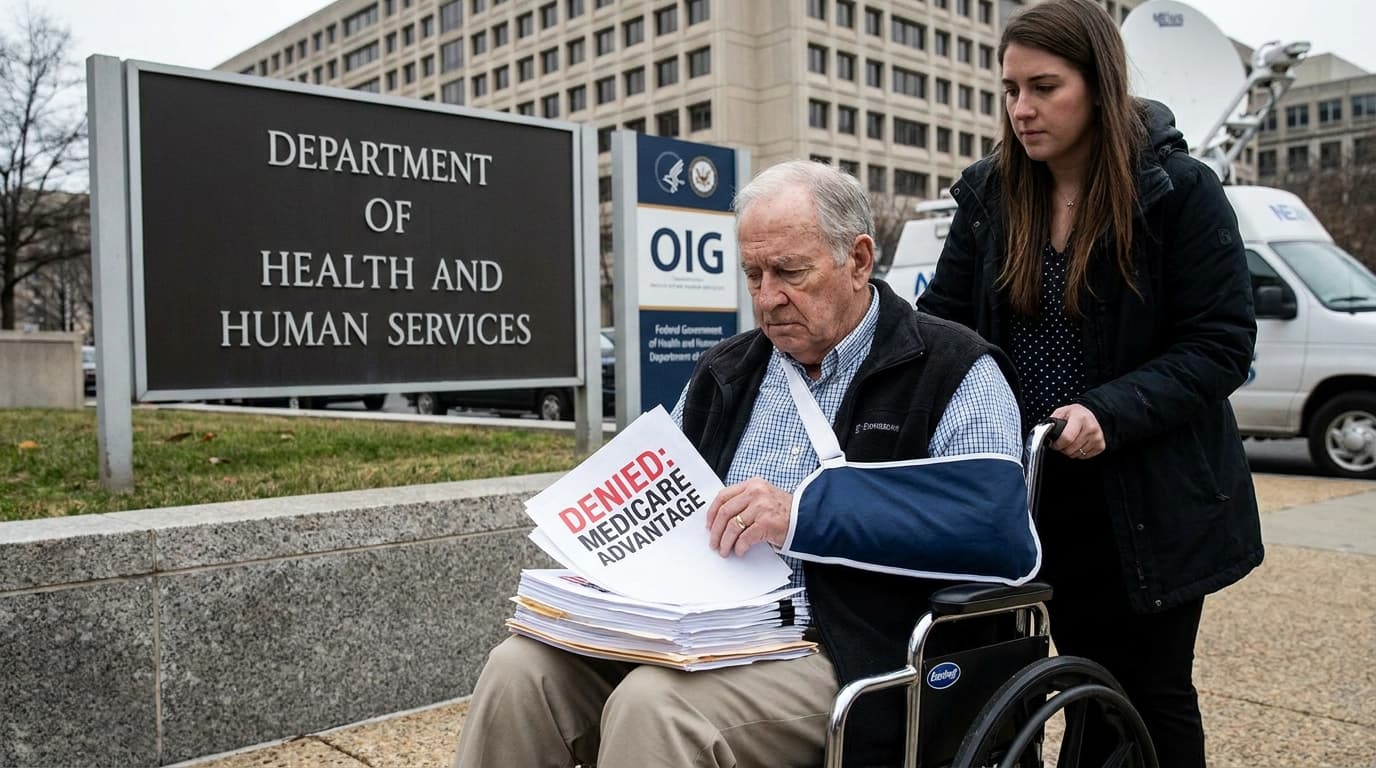
STAT+: Private Medicare Plans Erect Barriers to Rehab Care in Pursuit of Profit, Federal Investigators Find

Federal investigators have found that Medicare Advantage plans are delaying or denying rehabilitation care to older adults, a practice that is frequently reversed only after an appeal. The regulatory findings underscore persistent issues in how private plans administer government-funded care and raise critical questions about oversight, appeals processes, and the broader implications for seniors who rely on these plans for essential health services.
Introduction
Medicare Advantage (MA) plans have come under renewed scrutiny following a federal investigation highlighting significant barriers for older adults seeking rehabilitation care. The findings, published by federal investigators, reveal a troubling pattern among private insurers administering the government-funded Medicare program—consistently blocking or delaying access to essential rehab services, only to reverse many denials when appealed. This in-depth analysis explores the details of the investigation, the regulatory and policy landscape, the impact on beneficiaries, and what these findings mean for the future of Medicare Advantage.
Background: What Are Medicare Advantage Plans?
Medicare Advantage, sometimes called "Part C," refers to Medicare plans administered by private insurance companies under contract with the federal government. These plans are popular because of their bundled offerings: they usually combine hospital and physician coverage with prescription drug benefits, and often add perks like dental or vision care. However, while they are required to cover at least the same services as traditional Medicare, they can—and frequently do—deploy their own cost-control measures through prior authorization, denials, and differing coverage rulings. This flexibility has prompted both innovation and, as the new findings suggest, mounting concern.
The Federal Investigation: Key Findings
According to the recent federal investigation (see STAT News reporting), Medicare Advantage insurers have erected barriers to rehab care for older adults, which are often effectively reversed on appeal. While there is no evidence to suggest outright fraud, the trend raises troubling questions about how profit motives and administrative hurdles can impact access to necessary health services.
Key facts from the investigation:
- Systematic Blocking: Inspectors found that initial denials or delays for rehab services were not isolated incidents but part of widespread patterns.
- Appeal Reversals: A notable portion of these initial denials were subsequently reversed following an appeal process, indicating that many denials may not be clinically justified.
- Impact on Beneficiaries: Delay or denial of rehab care can lead to worsened outcomes for older adults, including delayed recovery, diminished independence, or heightened risk of readmission.
- Profit and Policy: There is an inherent tension between the cost-cutting imperatives of private insurers and the clinical needs of older adults in federally funded programs.
The Appeals Process: Barrier or Safeguard?
The current system requires beneficiaries to navigate a complex and often burdensome appeals process to challenge denials of care. While this process is intended as a safeguard to ensure erroneous denials are corrected, the investigation suggests the system is reactive rather than preventive and may disadvantage the most vulnerable patients—especially those who lack health literacy, technological access, or the ability to self-advocate.
Appeals in Practice:
- Most beneficiaries, or their caregivers, must understand not only that an appeal is possible, but also have the capacity to fight through layers of paperwork and multi-step administrative hurdles.
- Data suggest many patients abandon appeals due to the complexity or because the clinical window for timely care closes.
- The high rates of reversed denials imply substantial inefficiency and possible harm, as many initial denials turn out to be unfounded when finally reviewed.
Regulatory and Oversight Challenges
The results from the federal investigation have cast a spotlight on the broader issue of oversight in the Medicare Advantage space. The Centers for Medicare & Medicaid Services (CMS) hold the authority to evaluate and sanction plans that fail to meet access standards, yet the decentralized nature of MA administration allows for varying interpretations of what constitutes "medical necessity."
Challenges include:
- Standardizing Care Approvals: Private plans can set their own rules for prior authorization, so long as these don’t contradict federal requirements.
- Transparency: Denials are often poorly explained, leaving beneficiaries and providers in the dark about rationale and recourse.
- Data Reporting: There are gaps in public data regarding denial rates, appeals, and outcomes.
Regulators are under increasing pressure to both improve transparency and create more uniform standards for care authorization in MA plans.
Impact on Patient Care
For older adults, delayed rehabilitation can be life-altering. Rehabilitation care—including physical therapy, occupational therapy, and post-acute inpatient stays—is crucial for restoring function after events like strokes, surgeries, or hospitalizations. Gaps in timely access to such care have ripple effects across the healthcare system:
- Worse Outcomes: Patients denied timely rehab often experience poorer physical recovery and may become more dependent on caregivers or long-term care facilities.
- Healthcare Utilization: Delays can increase hospital readmission rates—impacting both patient quality of life and system-wide costs.
- Disparities: Vulnerable populations, including those with limited English proficiency or family support, face amplified challenges in navigating appeals.
Industry Pushback and Perspectives
Private insurers, for their part, argue that prior authorization and review processes are necessary tools for controlling runaway costs and deterring unnecessary or duplicative care. They emphasize standard procedures and claim to uphold high standards for timely reviews and patient communication.
However, the findings suggest a disconnect between policy intent and real-world impact. Stakeholder interviews and expert analysis indicate that plans may sometimes prioritize financial margins over patient-centered decision-making—resulting in overzealous denials or delays that are later overturned.
Policy Implications: What Comes Next?
The investigation could act as a catalyst for policy changes, both at the federal oversight level and within private insurance operations. Key recommendations emerging from the debate include:
- Stricter Oversight and Auditing: CMS may need to more rigorously audit denial rates, appeals processes, and clinical rationales.
- Simplifying Appeals: Streamlining the appeals process could improve access, making it less taxing for beneficiaries and their families.
- Transparency and Reporting: Routine, publicly-available data on denials and appeals would strengthen accountability.
- Uniform Standards: Developing and enforcing clearer, evidence-based criteria for service denials could reduce unnecessary barriers.
Conclusion
The revelation that Medicare Advantage plans systematically block access to rehabilitation care, only to reverse many denials upon appeal, presents a sobering reminder of ongoing challenges in the intersection of regulation, payer behavior, and patient outcomes. As the population ages and reliance on Medicare Advantage grows, the stakes for appropriate oversight and beneficiary protection continue to rise. Federal agencies, insurers, and advocates alike will need to navigate an evolving landscape—balancing cost containment with the fundamental imperative to deliver timely, medically necessary care to millions of older Americans.
For further details on the federal investigation and its implications, see the original reporting by STAT News: Private Medicare plans erect barriers to rehab care in pursuit of profit, federal investigators find.
Join the BioIntel newsletter
Get curated biotech intelligence across AI, industry, innovation, investment, medtech, and policy delivered to your inbox.