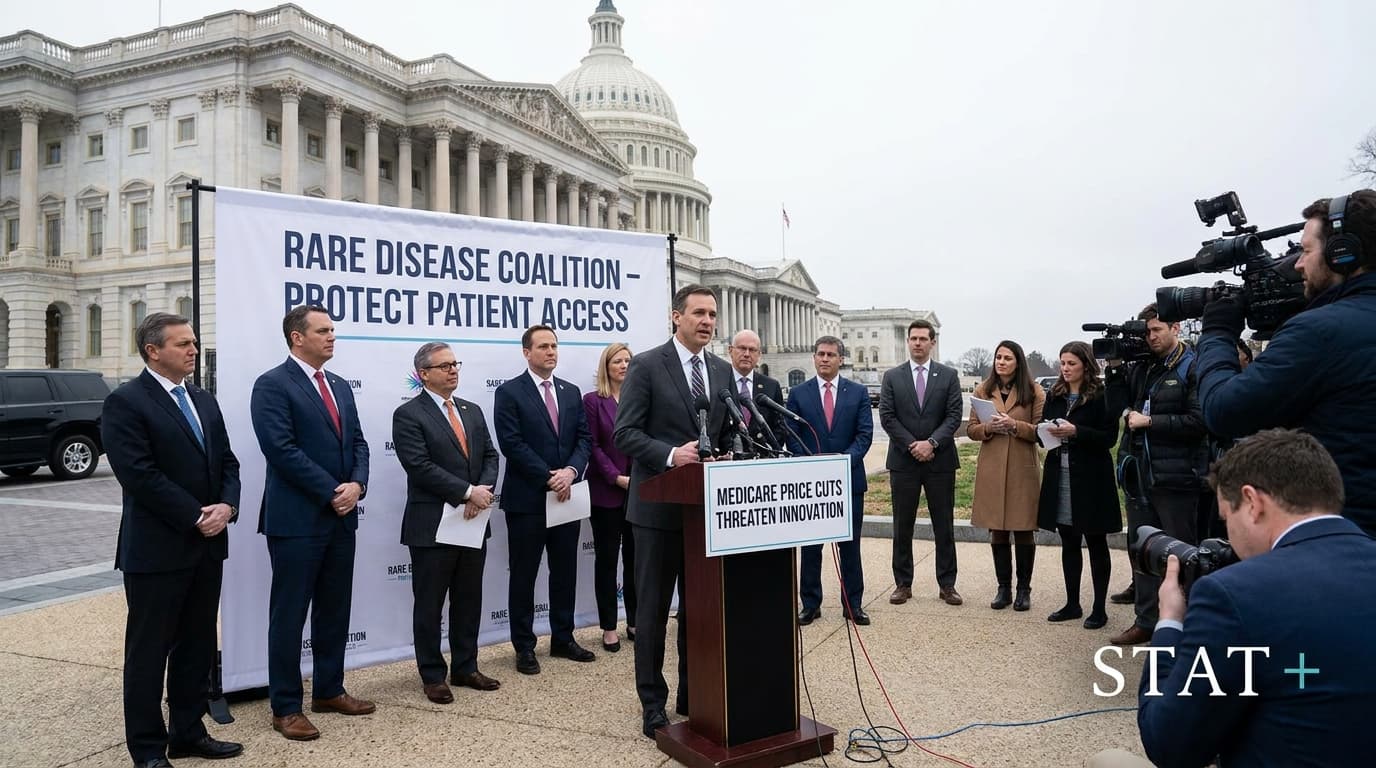
STAT+: Rare Disease Drugmakers Lobby to Avoid Trump-Era Price Cuts

As Trump administration policies targeting drug pricing roll out, rare disease drug manufacturers are pushing back against federal price cut initiatives. The lobbying efforts reflect broader tensions between price regulation, pharmaceutical innovation, and treatment access for vulnerable populations.
Federal price-cutting efforts, first set in motion under the Trump administration, have reached a pivotal moment for the biopharmaceutical sector. Today, manufacturers of rare disease drugs—often termed “orphan drugs”—are lobbying intensively to secure exemptions from sweeping Medicare price pilot programs and related cost-containment policies. This development is not only a flashpoint in the ongoing national debate around healthcare costs and innovation, but also a revealing case study in the regulatory complexities facing the rare disease drug market.
Background: Price Cuts and Rare Disease Drugs
At the heart of this controversy lies the drive to contain rising costs in Medicare and Medicaid pharmaceutical spending. Regulatory proposals and pilot programs—introduced during the Trump administration and now being implemented—are specifically targeting so-called “high-spend drugs.” But unlike many widely prescribed medications, rare disease drugs are created to treat small populations of patients with life-threatening or severely debilitating conditions. Developing these medications often requires expensive R&D, lengthy clinical trials, and specialized expertise, factors that manufacturers argue should grant them special regulatory status.
The Lobbying Strategy: Seeking Orphan Drug Exemptions
A broad coalition of biotech firms specializing in rare diseases is now pressing federal authorities to exempt their products from the pricing pilots. Their core argument is that price controls designed for mass-market drugs are ill-suited and potentially harmful in the orphan drug context. With market sizes already limited, these companies contend that price cuts could make certain treatments economically unsustainable to develop or commercialize, ultimately risking reduced access for vulnerable patients.
Industry groups have framed this debate not simply as a business issue, but as a matter of patient welfare. They argue that without such carve-outs, regulatory pressure could shrink investment in new rare disease therapies, cause existing products to disappear from the market, and transfer costs back to patients and their families.
Tricky Policy Terrain: Balancing Cost and Innovation
Balancing drug affordability with continued innovation is an enduring challenge in health policy. The orphan drug sector is particularly sensitive to these tensions. On one hand, federal programs like Medicare are under increasing cost strain, necessitating pushback against pharmaceutical prices. On the other, the rare disease specialty market is often cited as a prime example of “mission-driven” innovation in pharma, creating breakthrough treatments for conditions once considered untreatable.
Critics of broad price-cutting initiatives warn that failing to exempt rare disease drugs could lead to unintended consequences—including a retreat by investors from one of medicine’s riskiest, yet most transformational, segments. Policymakers thus face the task of drawing regulatory boundaries that promote cost containment while safeguarding incentives for companies to serve rare disease populations.
Broader Industry Implications
This lobbying effort underscores the complexities drugmakers face as they navigate a regulatory environment that is simultaneously demanding greater affordability and expecting ever more rapid medical advances. Industry observers will note that the struggle over rare disease drug exemptions is a microcosm of wider debates over how to structure public payment for pharmaceutical innovation—particularly as an aging population and advances in genomics and personalized medicine increase demand for niche therapies.
Moreover, the question of how pharmacy benefit managers (PBMs) interact with state laws around pricing—another thread mentioned in the ongoing debate—highlights the multiplicity of stakeholders involved in the drug pricing ecosystem. PBMs, serving as intermediaries between manufacturers, insurers, and pharmacies, are also finding ways to adapt or skirt certain state laws that impact drug pricing and access, adding further complexity to ongoing policy discussions.
Potential Outcomes: Policy, Patient Access, and the Road Ahead
As the debate continues, federal authorities may choose to grant certain exemptions, delay implementation of some provisions, or push ahead with the price cuts as originally framed. Each option brings far-reaching implications:
-
If exemptions are granted: Rare disease manufacturers will likely see a more stable policy environment, sustaining innovation and commercial viability for future orphan drugs. Critics warn, however, of potential loopholes and precedent for broader exemptions.
-
If no exemptions are offered: Companies could scale back or halt some rare disease R&D, potentially leading to reduced treatment options for patients. Access challenges could also emerge if drugs become less profitable to manufacture or market.
-
Compromise models: Policymakers may opt for tiered exemptions, phased rollouts, or other compromise approaches that seek to balance cost containment and innovation.
Broader Stakeholder Reactions
Patient advocacy organizations are watching closely. For advocates and affected families, the stakes involve not just access to current therapies but the broader flow of investment and scientific progress in the rare disease space. Meanwhile, payers and taxpayer advocacy groups remain laser-focused on the necessity of reigning in spiraling drug costs, even as they acknowledge the special status of orphan indications.
The Future of Orphan Drug Policy
The United States has long maintained a unique policy infrastructure—most notably under the Orphan Drug Act—designed to incentivize innovation targeting rare diseases. As policy landscapes shift and the cost debate intensifies, the next phase of regulation for rare diseases and specialty drugs will be shaped by how authorities respond to the current lobbying push. The results will influence not only patient access and pharmaceutical innovation but also the foundational debate on drug pricing and value in American healthcare.
For drugmakers, investors, and patients alike, the coming months will be critical as regulators weigh the merits of targeted carve-outs versus comprehensive price controls. This episode will likely set the tone for policy decisions in other niche segments of medicine, further intertwining the fates of innovation and affordability in one of biotech's most economically and ethically challenging spheres.
Source: STAT+: Rare disease drugmakers try to avoid Trump price cuts
Join the BioIntel newsletter
Get curated biotech intelligence across AI, industry, innovation, investment, medtech, and policy delivered to your inbox.