Regulatory Hurdles and Industry Transparency: The Ongoing Dialogue Shaping Biotech Policy

The biotech industry continues to navigate a challenging regulatory environment marked by debate over FDA decision-making, regulatory flexibility, and the imperative for greater transparency in approval processes. This article explores recent high-profile incidents involving drug rejections, public discourse led by influential figures, and the impact of these dynamics on patient safety and innovation. Additionally, it examines the recommendations for policy reforms aimed at enhancing accountability and consistency within regulatory bodies.
Regulatory Challenges and Transparency in Biotech: Navigating FDA Decisions and Public Trust
The biotechnology sector faces heightened scrutiny and debate regarding regulatory oversight, particularly surrounding the Food and Drug Administration (FDA)'s approach to drug approvals and the transparency of its accelerated approval programs. Key developments in 2026 have intensified discussions about how regulatory frameworks can evolve to better serve patients, support innovation, and maintain public confidence.
High-Profile FDA Drug Rejections and Industry Reactions
One of the focal points in ongoing regulatory debates has been the recent second rejection of Replimune’s advanced melanoma drug by the FDA. The company’s CEO, Sushil Patel, criticized the FDA for a perceived lack of regulatory flexibility, raising questions about the balance between rigorous safety standards and expedited patient access to promising therapies. This event highlights the tension inherent in regulatory decision-making where agencies must weigh scientific evidence, public safety, and the urgency of unmet medical needs.
Industry and Public Discourse: Influence and Oversight
Adding a complex layer to this discussion, Health Secretary Robert F. Kennedy Jr. publicly accused the pharmaceutical industry of exerting undue influence over Congress and the media, characterizing the sector as owning these institutions. This statement underscores broader concerns about the intersection of industry power, regulatory capture, and the integrity of the drug approval process. Such critiques call for increased vigilance and reforms to ensure regulatory agencies function independently and transparently.
Calls for Greater Transparency in FDA Accelerated Approvals
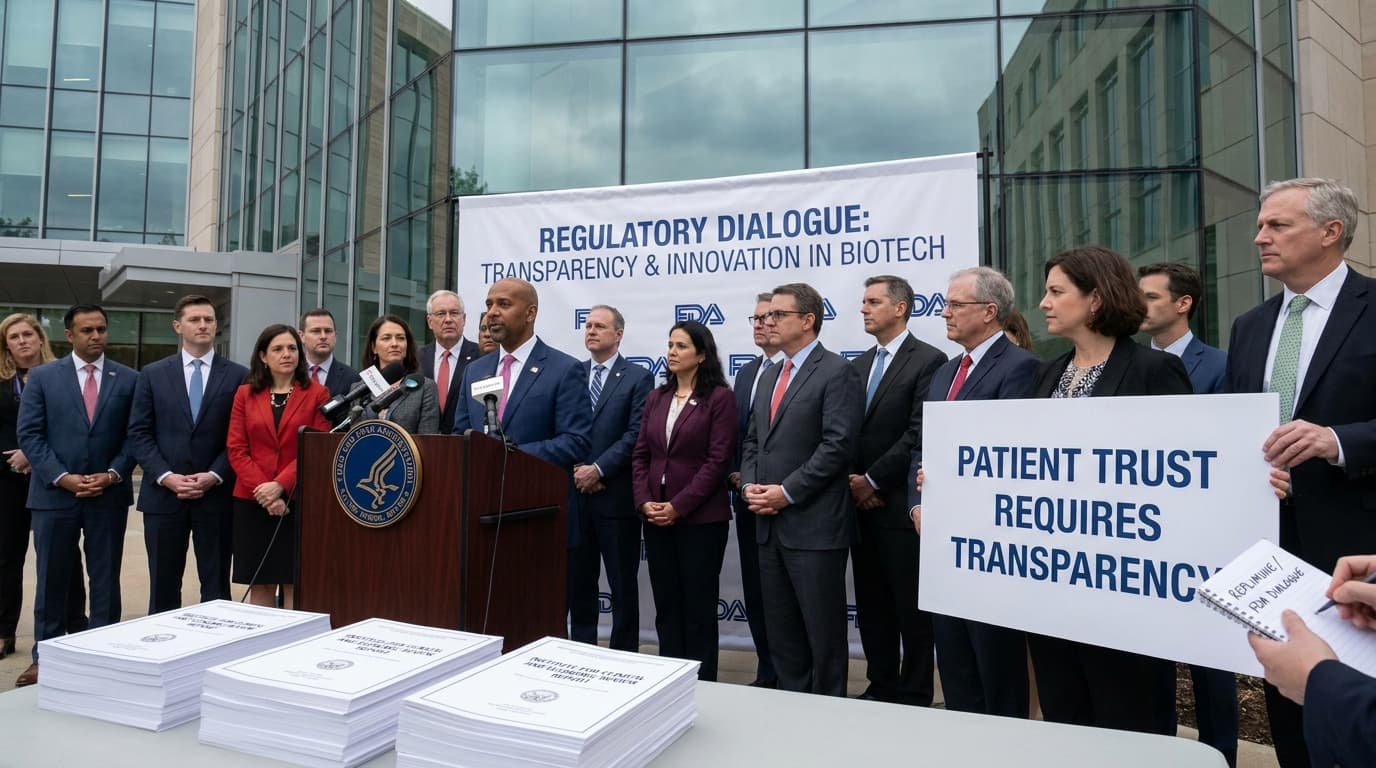
The Institute for Clinical and Economic Review (ICER) released a report emphasizing the need for enhanced transparency in FDA decision-making, particularly related to the accelerated approval pathway. Stakeholders uniformly express the desire for clearer communication about the evidentiary basis for approvals and the criteria used to monitor post-market safety and efficacy. Transparent regulatory processes are crucial for fostering trust among patients, healthcare providers, and investors alike.
Advances Toward Improved Regulatory Consistency
In response to ongoing challenges, the FDA has initiated new safety guidelines for gene editing therapies, marking a significant step toward greater regulatory clarity and consistency. These guidelines aim to provide clear frameworks that balance innovation with patient safety, potentially serving as models for other therapeutic areas.
The Broader Implications for Biotech Innovation
Regulatory unpredictability and perceived opacity can create barriers to investment and delay patient access to innovative treatments. Conversely, well-structured regulatory policies and transparent processes can accelerate development timelines and encourage biotechnology breakthroughs. Stakeholders across the ecosystem — from developers to policymakers — recognize the importance of finding this balance.
Conclusion
The evolving dialogue on regulatory challenges and transparency within biotech underscores the complexity of aligning patient needs, industry innovation, and public trust. Recent events involving drug rejections, leadership critique, and policy recommendations highlight critical areas for reform that could ultimately strengthen the drug approval system. Continued attention to these issues is essential for fostering an environment where novel therapies can be developed and delivered safely and efficiently.
Join the BioIntel newsletter
Get curated biotech intelligence across AI, industry, innovation, investment, medtech, and policy delivered to your inbox.