Rethinking Preventive Dental Care: Why the Bite Is the Missing Piece

While dentistry’s preventive paradigm has long targeted cavities and periodontal disease, new thought leadership emphasizes that how teeth, muscles, and the jaw interact over a lifetime plays a foundational role in holistic oral health. As emerging science connects bite function to chronic dental problems, the industry is re-examining what truly constitutes prevention.
Introduction
For decades, preventive dental care has been synonymous with cavities, gum health, and routine cleanings. Popular advice has centered on brushing, flossing, and periodic dental exams—all with the aim of preventing tooth decay and periodontal disease. But mounting evidence and a new wave of opinion in dental health circles suggest these measures, crucial as they are, may not tell the entire story. The overlooked factor? The bite—how our teeth, jaw, and facial musculature function together over time.
A recent feature by MedCity News emphasizes this shift in perspective, casting light on the growing importance of occlusion (bite) and its overarching effects on the longevity and health of teeth as well as the broader oral environment (source).
The Traditional Focus of Prevention
Historical efforts in preventive dentistry have championed fluoride treatments, sealants, dietary advice, and oral hygiene education. These strategies have been grounded in robust epidemiological data showing their effectiveness in reducing cavities and gingivitis. The intent: shield enamel from acid attack and thwart the progression of harmful plaque at the gum line.
Yet even among patients with impeccable hygiene and regular care, recurrent wear, fractures, gum recession, and unexplainable jaw pain frequently occur. This disconnect suggests biological factors beyond decay and infection may play critical, if underappreciated, roles.
Occlusion: The Role of the Bite
Understanding occlusion involves much more than simply how upper and lower teeth come together. It encompasses an intricate system:
- Tooth-to-tooth contacts during chewing, speaking, and at rest
- Jaw joint alignment and function (temporomandibular joint, or TMJ)
- Muscle coordination of the face, tongue, and neck
Minor discrepancies in this balance, clinical research suggests, can cause excessive strain on certain teeth, leading to chronic microtrauma, enamel chipping, nighttime clenching or grinding (bruxism), and ultimately, to conditions like cracked teeth and accelerated tooth wear that escape traditional preventive measures.
Why Is the Bite Often Overlooked?
Several reasons explain its historical neglect:
- Subjectivity in diagnosis: Unlike cavities or gum pockets, which can be quantified and tracked, occlusal issues are often subtle, fluctuate throughout life, and can be difficult to standardize across dental practices.
- Training gaps: Many general dentists receive limited education on functional occlusion during standard dental school curricula.
- Reimbursement models: Insurance plans generally incentivize the treatment of disease (caries, periodontitis) over complex bite evaluations and related interventions.
- Patient perception: Biting and jaw issues may go unnoticed until pain or visible tooth breakage prompts investigation.
The Evidence Connecting Bite to Dental Longevity
Emerging data consistently demonstrate that patients with unaddressed bite discrepancies are at higher risk for:
- Increased rates of tooth fractures at key contact points
- Recurrent failures of crowns, fillings, and veneers
- Accelerated gum recession not explained by hygiene alone
- Chronic TMJ pain and headache syndromes unrelated to caries or infection
These insights are beginning to redefine the very notion of “prevention,” as a proactive approach focused not only on disease absence but also on functional balance within the oral apparatus.
Innovations and Technologies Transforming Bite Assessment
Recent technological advances are enabling practitioners to look beyond simple visual and tactile assessments:
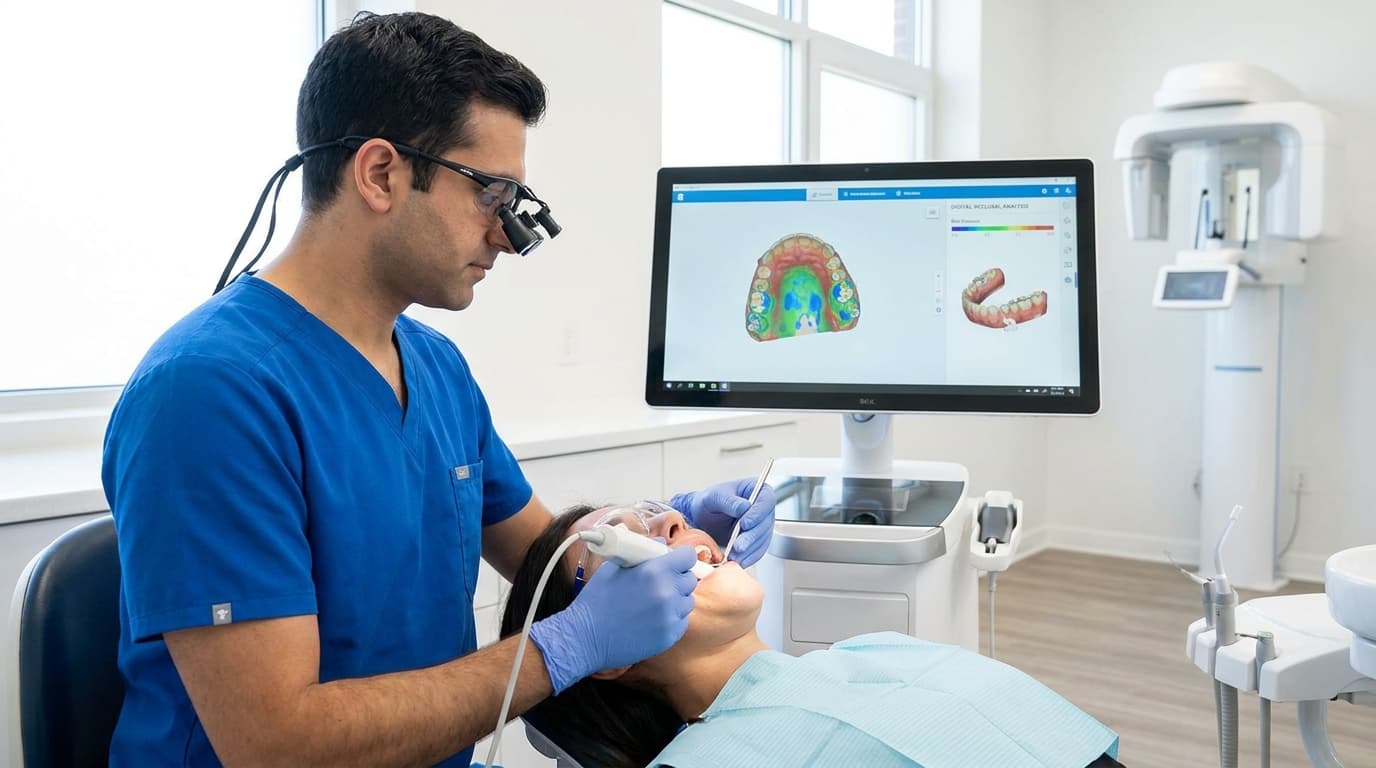
- Digital occlusal analysis: Pressure-sensing devices and software now allow dentists to map and quantify tooth contacts with precision, revealing high-risk zones unnoticeable by eye.
- 3D imaging and modeling: Cone-beam CT and intraoral scanners create detailed maps of jaw joint structure and function, assisting with early diagnosis and intervention.
- Wearable night guards and splints: Custom-fitted devices for nighttime use can redistribute bite forces, offering a non-invasive approach to long-term prevention of structural dental problems.
Integrating Bite Evaluation into Standard Care
Despite these advances, implementation lags. Adoption of bite analysis into routine practice demands:
- Consensus guidelines for functional occlusion assessment
- Education programs for dental providers
- Reimbursement reforms that recognize functional balance as a core prevention target
Professional associations and leading clinics are beginning to integrate functional assessments into new patient exams, hoping to catch issues before tooth or jaw damage becomes irreversible.
The Patient Perspective: From Tooth Decay to Holistic Oral Health
Patient understanding is key to the success of this paradigm shift. Many individuals may be diligent about oral hygiene but unaware that factors such as jaw fatigue, muscle pain, or recurrent dental restorations point to a deeper functional imbalance. The new model of prevention embraces patient education:
- Encouraging awareness of clenching and grinding habits
- Spotting early symptoms of jaw misalignment, such as morning headaches or sore facial muscles
- Proactively seeking bite evaluations during routine visits
Implications for Lifelong Oral Wellness
As the science evolves, it is becoming clear that optimal oral health and the avoidance of complex restorative procedures may depend on identifying and managing functional problems early—even before symptoms are evident. This approach dovetails with broader trends toward whole-person care, where oral health is understood as both a cause and a reflection of broader systemic health challenges.
Conclusion
The missing piece of preventive dental care may indeed lie in the bite, as new research and clinical perspectives call for an evolution in both patient and provider mindsets. By expanding the boundaries of prevention beyond the old dichotomy of decay and gum disease, the dental field has an opportunity to foster oral wellness that persists for a lifetime—rooted in the science of balance, function, and proactive care.
Sourced from MedCity News
Join the BioIntel newsletter
Get curated biotech intelligence across AI, industry, innovation, investment, medtech, and policy delivered to your inbox.