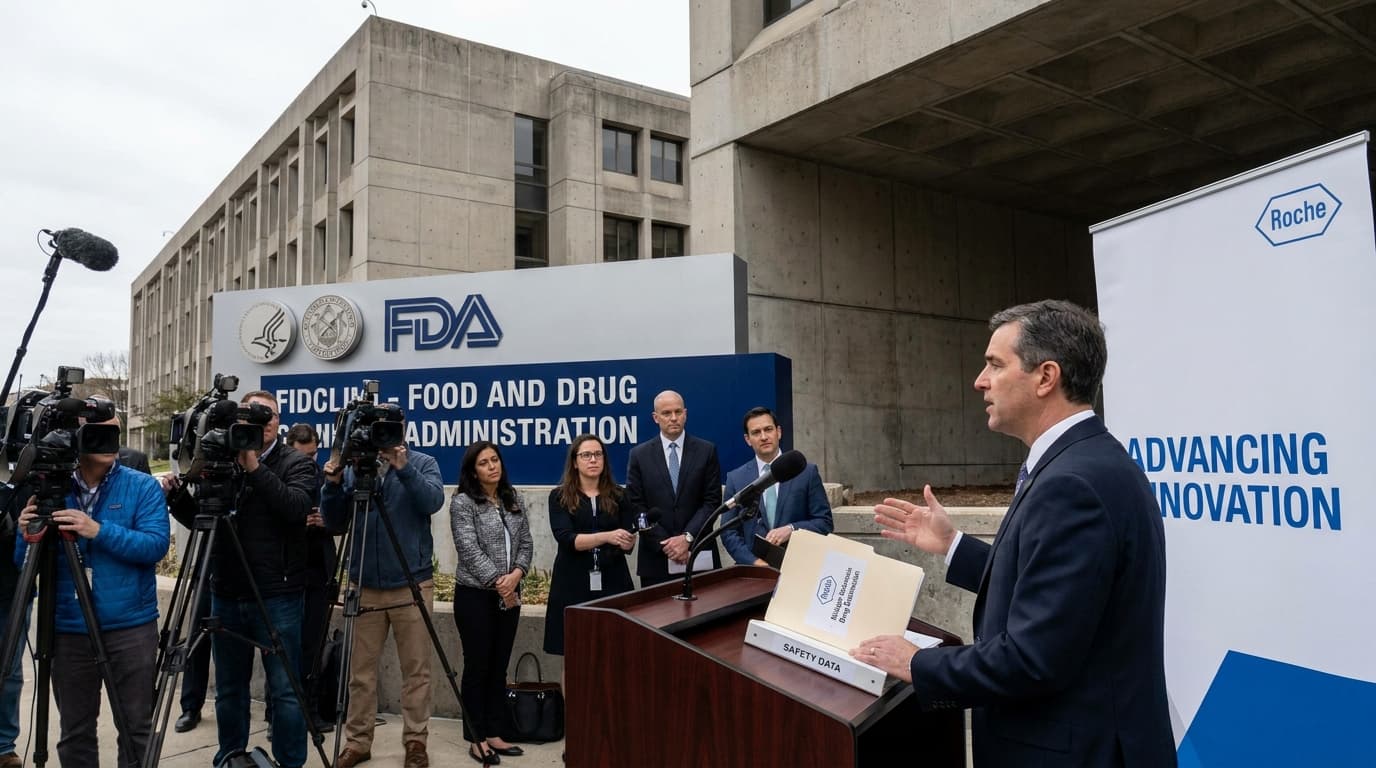
Roche Advances Multiple Sclerosis Drug Toward Regulatory Approval Amid Safety Questions

The Swiss pharmaceutical giant Roche has reported successful clinical trial results for its experimental multiple sclerosis treatment, positioning the drug for regulatory submission. However, the data also reveal safety considerations that remain under scrutiny, impacting its competitive positioning in the MS treatment landscape.
Multiple sclerosis (MS) remains a complex neurological disorder that affects millions worldwide, characterized by chronic inflammation and degeneration of nerve cells. Recent developments in drug research continue to improve therapeutic options, aiming to enhance efficacy while managing safety profiles. Among these developments, Roche, a major player in global biopharmaceuticals, has recently presented new clinical trial data on an experimental MS drug, signaling progress toward regulatory review and potential approval.
Clinical Trial Highlights
In the most recent trial results disclosed by Roche, the MS drug demonstrated significant efficacy in reducing disease progression and relapse rates compared to the current standard of care. Trial participants experienced measurable improvements in neurological functions, with biomarker data supporting the drug’s mode of action in modulating immune responses.
While the efficacy findings are promising, safety data revealed some adverse events that warrant careful consideration. These include immune-related side effects and other systemic reactions that could impact patient quality of life and long-term treatment sustainability. Roche’s submission to regulators will therefore include comprehensive safety monitoring plans to address these concerns.
Regulatory Considerations
The regulatory path for novel MS treatments is rigorous, given the chronic nature of the disease and the necessity for long-term safety data. Roche’s next steps involve compiling detailed clinical data packages for submission to regulatory agencies, including the FDA and EMA. This process entails thorough evaluation of the risk-benefit balance, considering both therapeutic gains and any potential safety liabilities.
Competitive Landscape
The MS treatment market has seen considerable innovation in recent years, with several new agents targeting different immune pathways. Roche’s drug must differentiate itself not only through clinical effectiveness but also via a manageable safety profile and patient adherence potential. The company's commitment to addressing safety through proactive measures could be a differentiating factor as it competes against established therapies and emerging entrants.
Future Outlook
Should the MS drug gain approval, it represents an important addition to the therapeutic toolkit against this debilitating condition. Roche’s ongoing research efforts and post-approval studies will likely refine use guidelines and expand patient access. The evolving understanding of MS pathophysiology also suggests that combination therapies or personalized medicine approaches may become future avenues for improving patient outcomes.
In conclusion, Roche’s presentation of encouraging trial efficacy paired with candid acknowledgement of safety questions marks a critical phase in drug development and regulatory engagement. The global MS community will closely monitor these developments as the drug progresses toward potential market availability.
Source: STAT+ Roche MS drug data
Join the BioIntel newsletter
Get curated biotech intelligence across AI, industry, innovation, investment, medtech, and policy delivered to your inbox.