Why This Rural Health System Is Scaling AI for Point-of-Care Decision Making

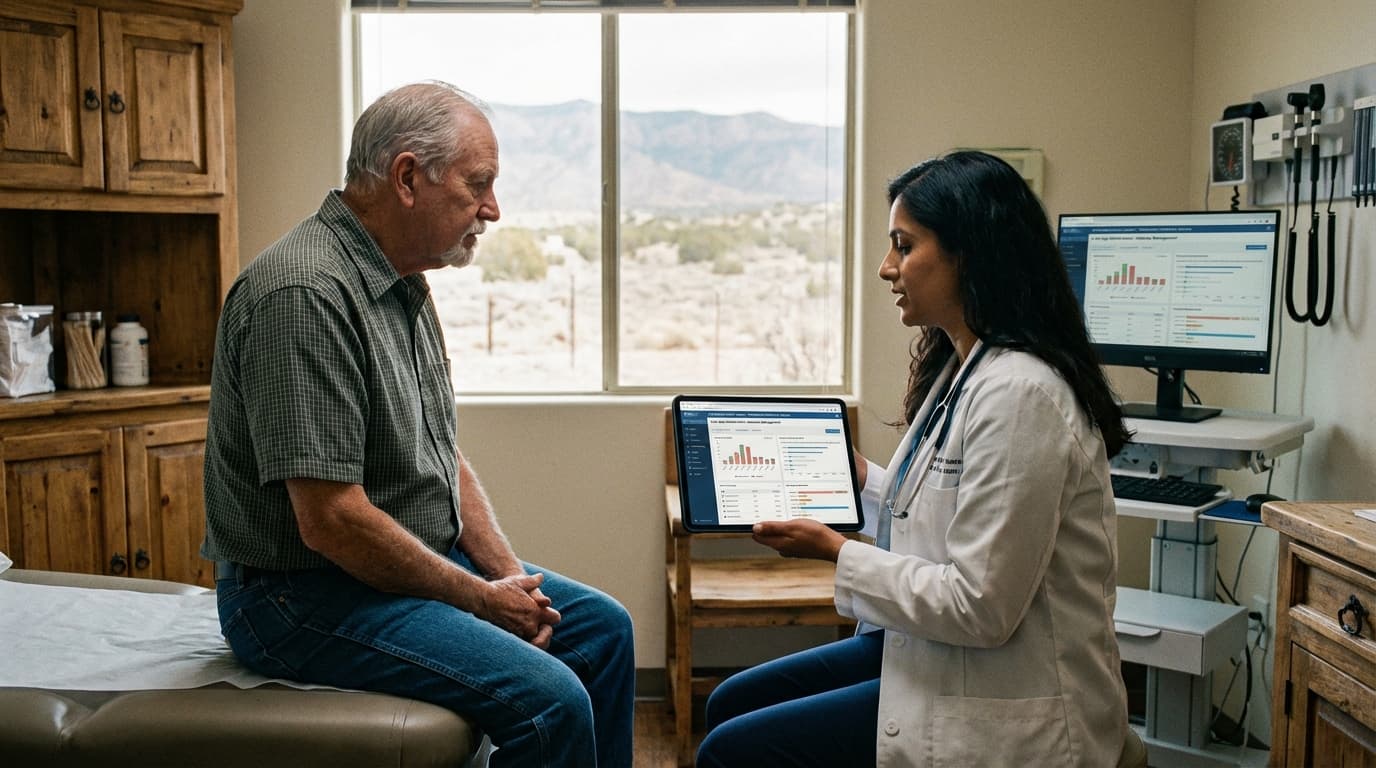
With the integration of an AI-powered precision care platform, Presbyterian Healthcare Services aims to empower over 200 primary care providers, particularly benefiting rural patients who face long travel distances. The technology is designed to support faster, more accurate treatment decisions and maximize healthcare visit outcomes.
In recent years, the healthcare industry has witnessed a growing application of artificial intelligence (AI) to enhance clinical decision-making and operational efficiency. A notable example is Presbyterian Healthcare Services, a rural health system that has scaled its AI-powered precision care platform to support 200 primary care providers. This initiative aims to address the unique challenges faced by rural patients and providers alike, including long travel distances for care and limited healthcare resources.
AI at the Point of Care
The precision care platform utilizes AI algorithms to assist healthcare providers in reviewing patient charts, identifying care gaps, and making timely treatment decisions. By analyzing large volumes of patient data and clinical information, the AI system brings critical insights directly to the point of care. This enables providers to prioritize interventions, adhere to evidence-based guidelines, and deliver personalized care efficiently.
Addressing Rural Healthcare Challenges
Rural patients often face significant barriers in accessing quality care, such as geographic isolation and limited specialist availability. This AI platform is tailored to maximize each patient visit, ensuring that clinical encounters are comprehensive and actionable. For patients who travel long distances, the technology optimizes visit value by streamlining workflow and focusing on care needs with the highest impact.
Enhancing Provider Capabilities
The tool serves as a clinical companion, extending the capabilities of primary care teams to manage complex cases more effectively. By surfacing potential care gaps and suggesting next steps, providers are better equipped to close these gaps and avoid delays in diagnosis or treatment. This AI integration supports not only clinical decision making but also enhances operational workflow within busy rural clinics.
Broader Implications for Healthcare Delivery
As healthcare systems increasingly adopt AI technologies, the experience of Presbyterian Healthcare Services demonstrates the potential impact of such tools in resource-constrained settings. This case highlights how AI can bridge gaps in care delivery, improve patient outcomes, and support provider decision making in real-time. The approach could serve as a model for other rural health systems seeking to leverage AI for enhanced clinical care at the frontline.
Conclusion
The scaling of AI for point-of-care decision making in rural health settings marks a significant advancement in the integration of technology with patient care. It reflects a strategic alignment of AI capabilities with the pressing needs of rural communities, ultimately aiming to improve healthcare access, quality, and efficiency. Presbyterian Healthcare Services’ deployment of this platform underscores the ongoing evolution of medical technology as a vital partner in transforming healthcare delivery.
For further details, visit the original article here.
Join the BioIntel newsletter
Get curated biotech intelligence across AI, industry, innovation, investment, medtech, and policy delivered to your inbox.