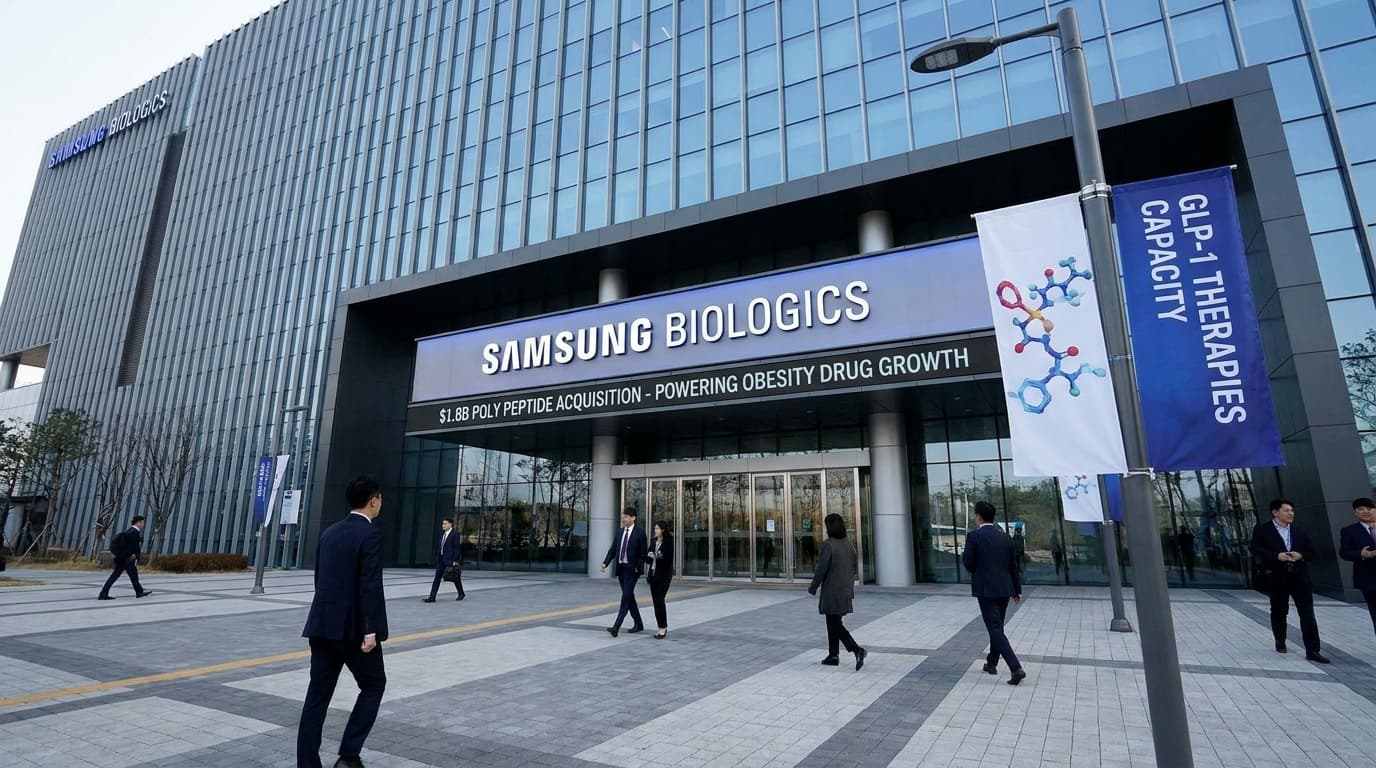
Samsung Biologics Eyes $1.8B PolyPeptide Acquisition to Power Obesity Drug Growth

In a move set to reshape the peptide drug manufacturing landscape, Samsung Biologics has announced plans to acquire PolyPeptide for $1.8 billion. The acquisition is seen as a strategic response to surging demand for GLP-1 and similar obesity medications.
In the latest surge of mega-deals reshaping the biopharmaceutical manufacturing sector, Samsung Biologics has publicly targeted the acquisition of PolyPeptide for approximately $1.8 billion. This proposed move marks a significant milestone in the contract development and manufacturing organization (CDMO) competitive landscape, particularly as the global demand for obesity drug production services—most notably for GLP-1-based therapies—shows no signs of abating.
Understanding the Strategic Context
PolyPeptide manufactures clinical and commercial-scale peptides, including those central to the burgeoning therapeutic area of GLP-1 receptor agonists. These peptides, such as semaglutide and liraglutide, have transformed obesity and diabetes care, driving record levels of investment and R&D focus across the industry. Samsung Biologics’ announcement is therefore not simply a conventional play for market share—it's an assertive step into a market segment experiencing seismic growth and intensifying competition among multinational drugmakers.
The Escalating Demand for Peptide Manufacturing
Peptide drugs, including GLP-1 receptor agonists, are biologically derived molecules instrumental in a range of new therapeutic modalities. As obesity rates continue to rise globally, the pharmaceutical sector’s response has focused increasingly on innovative therapies with improved metabolic efficacy and safety profiles. The success of GLP-1-based drugs in achieving meaningful weight loss and glycemic control has dramatically increased their adoption, putting unprecedented pressure on supply chains and manufacturing capacity worldwide.
Historically, peptide manufacturing has involved complex synthesis techniques, specialized facilities, and rigorous regulatory requirements. The ability to reliably scale up manufacturing to meet commercial demand is a core competency in high demand. For Samsung Biologics, acquiring PolyPeptide represents an immediate boost in peptide synthesis capacity and the technological know-how needed to compete for high-value manufacturing contracts with leading pharmaceutical clients.
Market Dynamics: Why Focus on Obesity?
The World Health Organization reports that obesity rates have tripled since 1975, and the worldwide push for better treatments continues to gain momentum. Pharmaceutical companies are in a race not only to innovate but also to ensure production keeps pace with clinical demand. According to market analysts, the global market for GLP-1 receptor agonists is expected to reach tens of billions in annual revenue within the next several years, signifying a commercial opportunity with few rivals.
CDMOs like PolyPeptide have therefore become strategic assets. Their role in supporting pharmaceutical partners—from preclinical R&D to commercial manufacturing—has made them both a critical supply chain link and a valuable acquisition target. Samsung Biologics’ stated intent to buy PolyPeptide is seen as a bid to both meet current client demand and pre-empt future capacity bottlenecks as more GLP-1 analogues and related therapies reach regulatory approval and broader markets.
Competitive Implications for the Sector
The global CDMO sector has experienced a wave of consolidation in recent years. Major pharmaceutical companies increasingly rely on such partners to reduce costs and time-to-market for biologics, peptides, and cell therapies—a trend only accelerated by the pandemic and subsequent supply chain disruptions. The potential PolyPeptide acquisition puts Samsung Biologics in direct competition with established sector giants, particularly those with a strong foothold in complex biologics and specialty peptide synthesis.
The expected result: heightened competition on both price and quality, greater innovation in manufacturing technology, and more robust partnerships with end-to-end solutions tailored to the specific needs of high-growth therapeutic markets.
The Role of PolyPeptide in the Broader Ecosystem
PolyPeptide has made its mark as an industry specialist in the cGMP (current Good Manufacturing Practice) manufacturing of therapeutic peptides. This technical background, infrastructure, and regulatory status make it a particularly attractive target for feature-hungry CDMOs like Samsung Biologics, which seek both geographic expansion and technological capability.
Peptide drugs’ reliance on consistent quality, validated processes, and scalable operations aligns with PolyPeptide's established strength. By integrating PolyPeptide’s assets, Samsung Biologics can position itself not only as a supplier but as a strategic partner to cutting-edge peptide drug developers, particularly those racing to bring the next generation of obesity and metabolic syndrome treatments to market.
The Broader Impact on Drug Manufacturing Supply Chains
As global demand for advanced therapies climbs, the complexity of supply chains and the need for risk mitigation increases in tandem. Manufacturers are expected to absorb more of the regulatory, quality, and technology risks traditionally borne by their pharmaceutical partners. Samsung Biologics' move to buy PolyPeptide is a direct response to this market reality, signaling that the most competitive biomanufacturers will be those with both scale and niche technical expertise.
Market Reaction and Potential Roadblocks
While the market generally reacts positively to consolidation efforts that promise greater efficiency and stronger supply chain resilience, such deals are not without their challenges. Successful integration of manufacturing operations, quality systems, and organizational cultures can be difficult, especially in sectors as heavily regulated and capital-intensive as peptide drug manufacturing.
Furthermore, deals of this magnitude typically undergo strict antitrust and regulatory review to prevent undue market concentration. Stakeholders—including investors, competitors, and client pharmaceutical firms—will closely watch for any potential negative impact on pricing or supply chain flexibility resulting from the combination of these two entities.
Looking Ahead
Samsung Biologics’ move to acquire PolyPeptide is emblematic of a wider trend in the pharmaceutical supply ecosystem as drugmakers and their partners scramble for capacity and expertise to serve the exponential market growth in metabolic disorders. While details of the deal and the ultimate timeline for close remain under wraps, one fact is clear: CDMOs that can offer both proven, scalable peptide manufacturing and innovative technology platforms will set the pace in one of pharmaceutical manufacturing’s highest-growth sectors.
In conclusion, Samsung Biologics’s planned acquisition of PolyPeptide underlines just how critical robust manufacturing partnerships have become to the future of drug innovation—particularly in the context of obesity and metabolic disease. As marketplace dynamics continue to evolve, expect a surge in similar deals as manufacturers jockey for position to serve next-generation therapies, in obesity and far beyond.
Source: BioSpace - Samsung Biologics targets $1.8B PolyPeptide buyout to expand in obesity
Join the BioIntel newsletter
Get curated biotech intelligence across AI, industry, innovation, investment, medtech, and policy delivered to your inbox.