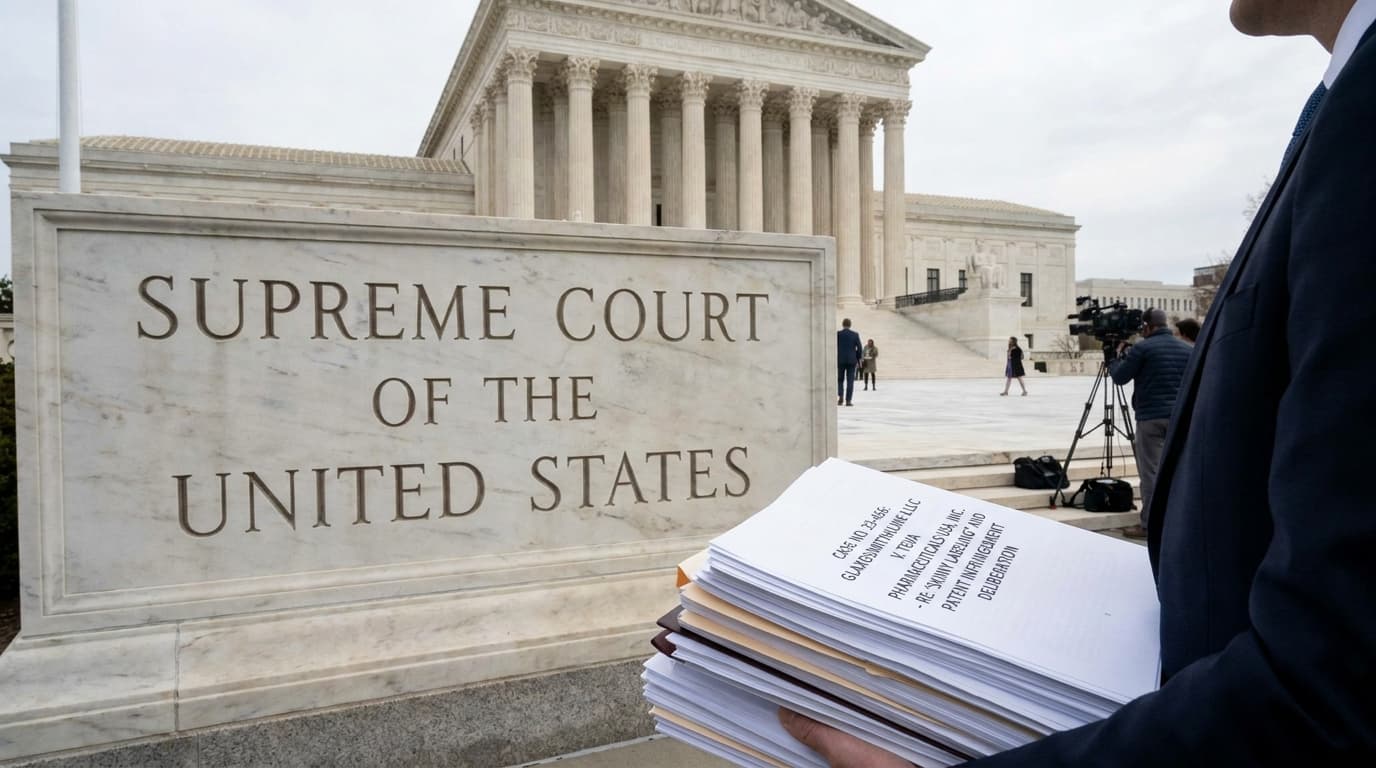
Supreme Court Justices Deliberate on the Future of 'Skinny Labeling' in Pharmaceutical Patents

The issue of 'skinny labeling'—where generic drug manufacturers label their products to deliberately exclude patented uses—has emerged as a significant regulatory and legal challenge in the pharmaceutical industry. The Supreme Court’s recent deliberations could shape the landscape of generic drug market entry and patent enforcement.
Introduction
Pharmaceutical patents and generic drug approvals have long been central to debates over drug pricing, regulatory policy, and access to medicine. 'Skinny labeling,' a practice where generic drug manufacturers omit patented uses from their product labeling to avoid infringement claims, is now under the scrutinizing lens of the U.S. Supreme Court. This issue addresses both the interests of patent holders and the public health imperative of affordable generics.
Background on Skinny Labeling
Skinny labeling involves the strategic exclusion of patented indications from a generic drug’s official labeling. This allows generics to enter the market without violating the patents on specific therapeutic uses that remain protected. This practice emerged in response to complex patent thickets and the Hatch-Waxman framework, which balances innovation incentives with generic competition.
Legal Context and Recent Supreme Court Activity
The Supreme Court's recent hearings delve into whether and how skinny labeling should impact patent infringement liability. There exists a tension between encouraging generic availability and protecting innovators’ patents. How the Court rules may define the boundaries of permissible labeling practices and influence future pharmaceutical patent litigation.
Industry and Market Implications
For generic manufacturers, a favorable ruling might expedite market entry and reduce litigation risks. Conversely, patent holders could face challenges enforcing their exclusive rights if skinny labeling is upheld. The decision ties directly into drug pricing debates, as generics typically drive down costs and improve access.
Expert Perspectives
Industry analysts emphasize that the outcome will impact innovation incentives and access strategies. Generic drug advocates argue that skinny labeling is a practical solution fostering competition. Patent holders caution that too broad an allowance risks undermining patent protections necessary to recoup substantial R&D investments.
Future Outlook and What to Watch
This case may set a pivotal precedent for the pharmaceutical patent landscape. Stakeholders should monitor the Supreme Court’s reasoning and subsequent regulatory responses, as these will signal shifts in legal standards and market dynamics.
Sources:
STAT+: Supreme Court justices appear to signal ‘skinny labeling’ can survive
Join the BioIntel newsletter
Get curated biotech intelligence across AI, industry, innovation, investment, medtech, and policy delivered to your inbox.