STAT+: Sword Health Secures Portugal Deal for Nationwide AI-Supported Virtual Physical Therapy

The digital health company Sword Health will roll out its AI-assisted virtual physical therapy across Portugal’s public health system. This unprecedented deal marks a significant step for digital therapeutics, AI healthcare platforms, and evidence-based remote care on a national level.
Introduction
The landscape for physical therapy is evolving at a remarkable pace, driven by advances in artificial intelligence and digital health solutions. Sword Health, an international digital health company specializing in virtual physical therapy, has taken a dramatic step forward by securing a landmark contract with Portugal’s National Health Service. This deal will see AI-supported virtual physical therapy care deployed nationwide, positioning Portugal as a leader in the digital therapeutics space and raising critical questions about the future of rehabilitation, technology adoption, and healthcare delivery at scale.
This analysis examines the strategic significance of the Sword Health-Portugal partnership, evaluates the role of AI-powered care in reshaping physical therapy, and assesses implications for patients, providers, policymakers, and competing health systems internationally.
Background: Sword Health and the Digital Physical Therapy Revolution
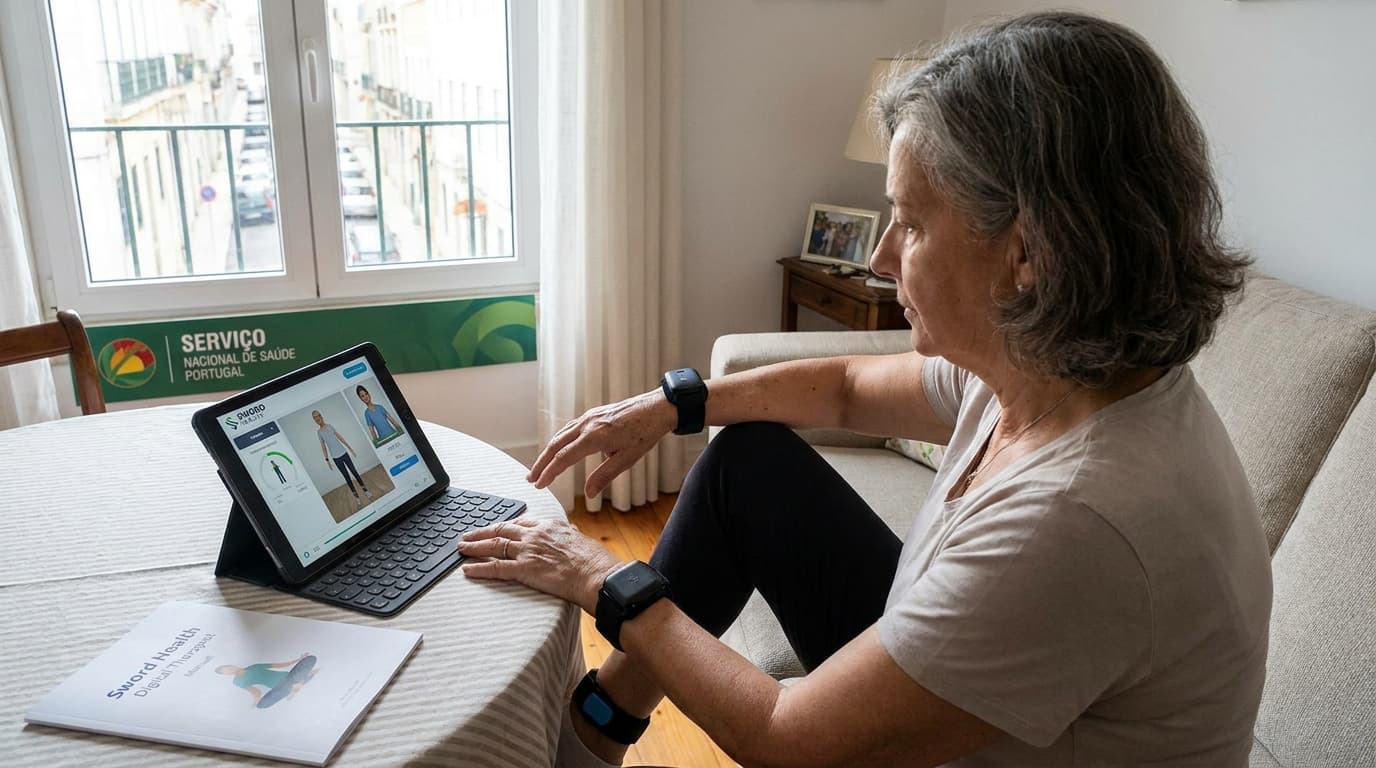
Sword Health was founded to address persistent inefficiencies and access barriers in musculoskeletal and rehabilitative care. The company’s technology leverages artificial intelligence to design personalized exercise programs, monitor patient movements, and provide real-time feedback through wearable sensors and a companion app. This digital-first approach aims to replicate—and often enhance—traditional physical therapy, tackling problems ranging from high costs and long wait times to geographical disparities in care.
Over recent years, Sword has transitioned from pilot deployments to securing major contracts with health plans, employers, and now, entire countries. The significance of the Portugal deal cannot be understated: for the first time, a Western European public health system has committed to scaling AI-driven virtual therapy nationwide, putting digital musculoskeletal care in the mainstream of government-funded medicine.
The Portugal Agreement: Scope and Details
Portugal’s National Health Service (SNS) has entered into an agreement with Sword Health to integrate the company’s AI-powered, virtual physical therapy services across the public system. The deal is designed to:
- Offer evidence-based, remote rehabilitative care for a range of musculoskeletal conditions and post-injury recovery needs
- Reach all eligible citizens, regardless of location, thereby eradicating geographical disparities
- Support overburdened in-person therapy centers by reducing demand and providing scalable alternatives
- Enable real-time tracking, analytics, and patient engagement tools to optimize adherence and clinical outcomes
This initiative reflects both the willingness of the Portuguese government to invest in technological solutions and a wider trust in the efficacy—and cost-effectiveness—of AI in healthcare delivery.
Why AI in Physical Therapy?
Challenges with Traditional Models
Conventional physical therapy operates through regulated, labor-intensive clinics or health systems. Access is typically limited by:
- Shortages of trained therapists, especially in rural areas
- Long waiting lists in national health systems
- High costs and variable insurance coverage
- Patient reluctance to travel or participate due to pain, time limitations, or stigma
How AI and Virtual Care Address These Barriers
Sword’s AI-infused platform tackles longstanding barriers by allowing patients to complete therapy from home while providing clinicians with deep, continuous data. Some unique features include:
- Personalized Exercise Plans: Algorithms adapt sessions in real time based on progress, pain, or compliance
- Objective Movement Assessment: Sensors provide accurate feedback on range of motion and adherence
- Virtual Check-Ins: Videoconferencing lets providers intervene when needed
- Real-Time Support: AI-driven coaching guides proper technique and motivation
- Population Health Insights: Aggregated data feed system-wide quality improvement
National-Scale Implementation: Benefits and Challenges
Potential Benefits
- Universal Access: Rural and underserved populations can participate without travel
- Cost Savings: Reduces need for heavily staffed, brick-and-mortar facilities
- Operational Efficiency: Alleviates waitlists by supplementing workforce capacity
- Patient Empowerment: Increases convenience, decreases missed appointments, and supports long-term adherence
- Data-Driven Care: Large data sets enable continuous outcome tracking and iterative program improvement
- Public Health Strategy: A uniform national program can drive equity and accelerate the spread of innovation
Challenges and Risks
- Digital Divide: Success depends on access to internet, smartphones, and digital literacy, potentially widening health gaps for certain populations
- Regulatory Oversight: Authorities must ensure the platform meets standards for safety, privacy, and effectiveness
- Integration with In-Person Care: Providers need workflows for hybrid models (remote and physical)
- Provider Acceptance: Some clinicians may resist technology perceived as a threat to professional roles
- Long-Term Engagement: Sustaining user adherence—a historical challenge in remote care—requires continuous innovation in patient engagement strategies
Implications for the AI Health Tech Ecosystem
Digital Therapeutics on the Rise
Sword Health’s deal with Portugal is emblematic of a broader paradigm shift in digital therapeutics. Once limited to small pilots and employer programs, digital care is moving into the core of national healthcare policy. Surges in investment, regulatory acceptance, and positive clinical outcomes underpin this trend.
International Benchmarks
Other nations, closely watching this experiment, could follow suit. The deal turns Portugal into a living laboratory for whole-country digital rehabilitation, providing a model for:
- National health IT integration
- Algorithmic oversight
- Large-scale population health analytics
If successful, the model could rapidly expand to cover other areas of chronic and preventive care, further integrating AI into everyday health services on a scale yet unseen.
Competitive Landscape
Portugal’s decision to select Sword Health will be closely monitored by competitors such as Hinge Health, Kaia Health, and other digital therapeutic startups, as well as traditional medical device companies and hospital systems. The contract could establish a "first-mover advantage" for Sword, positioning the company as the preferred vendor as digital physical therapy enters mainstream adoption internationally.
Looking Forward: Key Unanswered Questions
Will AI Replace or Enhance Human Providers?
While Sword Health’s platform is meant to augment, not replace, traditional therapists, concerns persist within the medical community about job displacement and the impersonal nature of digital care. The coming years will reveal whether AI-virtual therapy complements clinician expertise or triggers a broader redefinition of musculoskeletal therapy roles.
Can Outcomes and Equity Be Maintained?
Demonstrating improved outcomes across diverse patient populations will be crucial for program legitimacy. Given historical inequities in digital health access, the SNS and Sword will need robust strategies to avoid exacerbating disparities.
How Will Privacy and Safety Be Assured?
National-scale digital platforms raise well-documented concerns about the storage and use of sensitive patient data. Compliance with European data protection laws (such as GDPR) and integration with evolving AI regulations will be ongoing priorities.
Conclusion
Sword Health’s agreement with Portugal’s National Health Service represents a defining moment for digital therapeutics, AI-powered care, and global health innovation. By committing to virtual, AI-supported physical therapy for its entire population, Portugal provides a high-visibility test case for the future of remote, data-driven rehabilitation at scale. Policymakers, clinicians, patients, and competitors worldwide will be scrutinizing the outcomes, equity, and sustainability of this initiative as they shape their own health system strategies in the era of digital medicine.
Source: STAT News: Sword Health contracted to provide AI-supported physical therapy for an entire country
Join the BioIntel newsletter
Get curated biotech intelligence across AI, industry, innovation, investment, medtech, and policy delivered to your inbox.