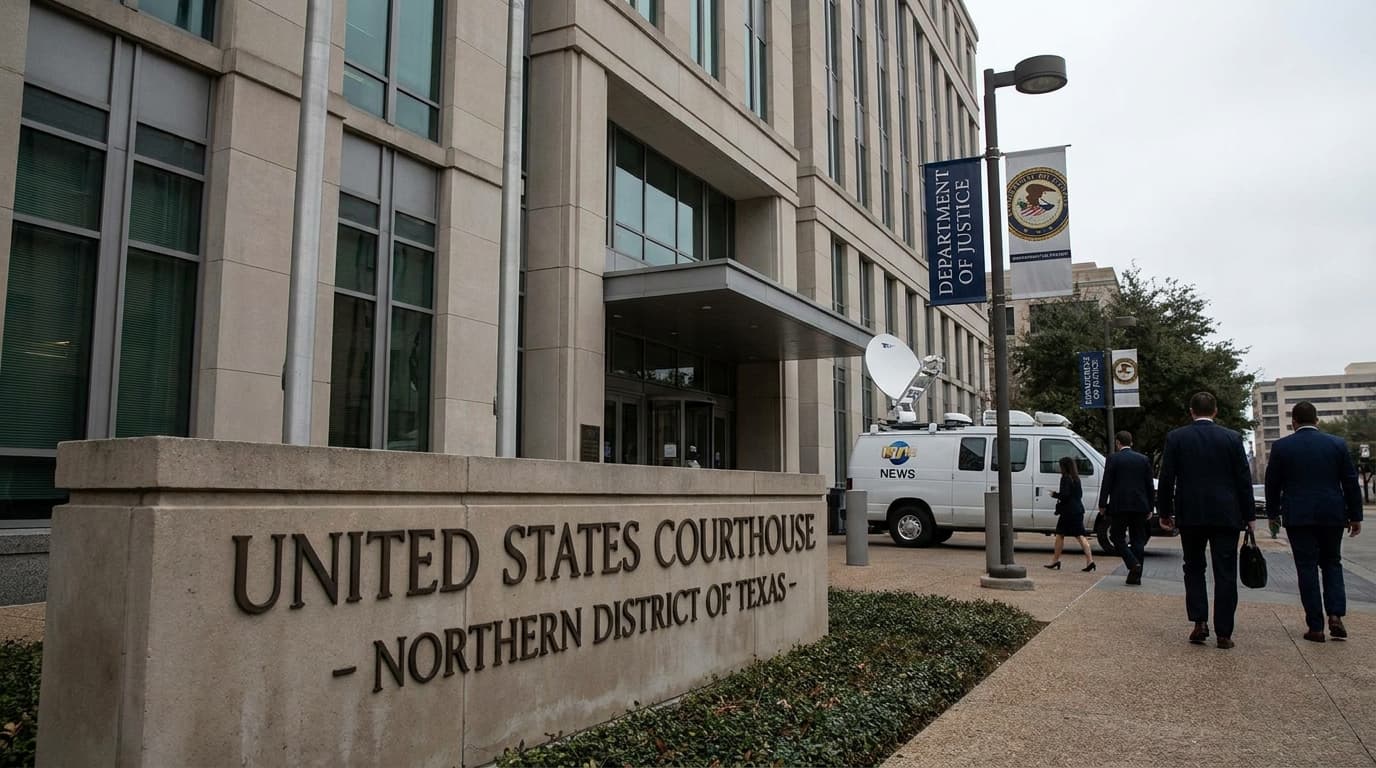
Texas Doctor Charged in $89M Health Care Fraud as Authorities Ramp Up Enforcement

A Texas physician is at the center of an alleged $89 million fraud scheme, accused of billing insurance for medically unnecessary cardiovascular screening tests. This high-profile indictment comes as federal regulators pledge intensified crackdown efforts in the health care sector, signaling broader shifts in enforcement and oversight.
Introduction
A Texas physician has been charged by the Justice Department in an alleged $89 million health care fraud scheme, reportedly involving the billing of major insurers for medically unnecessary cardiovascular screening tests. As the federal government amplifies its crackdown on improper billing practices and healthcare fraud, this case stands as a significant and instructive example of regulatory priorities, law enforcement challenges, and the broader systemic vulnerabilities in American healthcare.
The Fraud Allegation: Details and Scope
Healthcare fraud continues to attract the attention of federal authorities, often involving convoluted arrangements that exploit both financial incentives and regulatory blind spots. According to prosecutors, the Texas doctor facing charges systematically submitted claims for cardiovascular screenings that were not medically indicated, aiming to extract tens of millions of dollars from government and private insurance programs. The criminal complaint reflects growing scrutiny on diagnostic and procedural overuse—particularly in medical specialties where ambiguous clinical guidelines and physician discretion can sometimes open the door to potential abuse.
While the practice of overbilling for unnecessary services is not limited to any geographic region or specialty, cardiovascular testing has been cited in previous Department of Justice cases as especially susceptible to upcoding and unnecessary utilization. All too often, such practices not only defraud insurers but can also put patients at risk of needless procedures, follow-ups, and exposure to medical harm.
The Broader Context: Trends in Enforcement
The indictment comes as the federal government intensifies its efforts to root out waste, fraud, and abuse within Medicare, Medicaid, and the broader insurance ecosystem. The Centers for Medicare & Medicaid Services (CMS), working in coordination with the Justice Department and state agencies, has recently announced a series of new enforcement initiatives—including advanced data analytics, expanded audits, and greater resources for whistleblower support. These steps are aimed at detecting irregular billing patterns and bringing justice to bear on illicit activities that burden the healthcare system and, by extension, all taxpayers.
Health care fraud is estimated to cost the United States tens of billions of dollars each year, straining public programs and shifting costs onto legitimate providers and patients. The focus on aggressively prosecuting high-profile cases like this Texas indictment is intended both to recoup losses and to serve as a deterrent to would-be offenders.
Spotlight on Cardiovascular Screenings and Medical Necessity
The case highlights particular concerns regarding so-called 'medical necessity'—a core concept in health billing where services rendered must be reasonable, necessary, and appropriate for the diagnosis or treatment of a patient’s condition. When physicians exploit these standards, whether through overt fraud or more subtle gaming of insurance rules, it can result in significant financial gain at the expense of public trust and patient safety.
The medical necessity concept presents persistent challenges for regulators. Cardiovascular screening, for instance, is often recommended based on risk factors or clinical guidelines, yet ambiguity remains in many cases—leaving room for improper or excessive utilization. While some screenings can save lives and costs in the long run, unnecessary tests may result in false positives, anxiety, further invasive investigations, and potential complications, all of which generate costs without commensurate benefit.
Regulatory Crackdown: Signals and Impacts
This fraud case occurs amidst what some are calling a renewed wave of federal engagement on healthcare law enforcement. Authorities have pledged to move beyond reactive investigations and instead employ proactive tools—leveraging big data, claims analysis, and artificial intelligence to flag patterns of suspect billing across regions, specialties, and provider entities.
For clinicians and healthcare executives, this means greater exposure to audits, stricter scrutiny of coding and claims, and a heightened risk of both civil and criminal penalties for violations. Some observers point to a potential chilling effect, where even legitimate practices may be curtailed out of fear of regulatory reprisal; others argue these measures are overdue, given continued erosion of trust and mounting costs associated with fraud.
Where Policy Meets Practice
Beyond the immediate headlines, the case touches on perennial debates about how best to ensure the integrity of public and private insurance programs. Some advocate not only stronger penalties but also more robust systems of internal compliance, training, and ethics in clinical practice. Others call for broader reform to mitigate the volume-driven incentives that can foster questionable behaviors.
While individual accountability remains a core tenet of enforcement, many experts stress the need to address root causes—such as the fee-for-service model, lack of integrated care coordination, and outdated billing or utilization review processes. The multi-layered approach pursued by CMS and the Justice Department now includes not only prosecution, but also prevention, education, and ongoing engagement with medical professionals and industry leaders.
Patient Impact and Public Perception
For patients and the broader public, high-profile fraud cases erode confidence in the healthcare system and fuel concerns about both access and affordability. When federal funds are siphoned off through improper billing, resources for critical services and vulnerable populations are depleted. Moreover, the prospect of being subjected to unnecessary medical tests complicates the doctor-patient relationship and undermines trust.
In response, public and private insurers have doubled down on measures to educate consumers about their rights and reporting avenues for suspected fraud, while providing guidance to providers for clearer documentation and ethical billing practices.
Looking to the Future: Policy and Practice
As the health sector contends with growing regulatory oversight, the challenge will be balancing the imperative for fraud prevention with the need to preserve access, innovation, and trust within the system. Ongoing investments in analytics, transparency, and coordinated enforcement may help close loopholes that have enabled fraudulent practices in the past.
At the same time, federal and state agencies are likely to intensify examination of high-risk specialties and billing codes, drawing lessons from the Texas case and anticipating the industry's adaptation. Professional societies, hospital systems, and clinical leaders are encouraged to review internal risks, compliance programs, and continuing education on evolving legal requirements.
Conclusion
The indictment of a Texas doctor in an $89 million fraud case underscores the federal government’s sharpened focus on rooting out healthcare fraud and reinforces the evolving landscape of regulatory risk and compliance. As the government continues its crackdown, clinical and administrative leaders should anticipate heightened scrutiny, even as the sector contemplates deeper reforms to tackle foundational pressures influencing both good and bad actors. The stakes—for patients, taxpayers, and the credibility of America's health system—could not be higher.
Source: STAT News
Join the BioIntel newsletter
Get curated biotech intelligence across AI, industry, innovation, investment, medtech, and policy delivered to your inbox.