The 3 Biggest Roadblocks to Egg Freezing — and How Providers Are Working to Remove Them

Egg freezing has become more visible as a reproductive option over the past decade, yet it continues to be shaped by substantial obstacles. This analysis explores the lingering challenges associated with egg freezing—high expenses, variable success rates, and the crucial role of timing—while also highlighting how healthcare providers are striving to lower these barriers, enhance patient outcomes, and expand access to fertility preservation.
Introduction
Egg freezing, or oocyte cryopreservation, has emerged as a significant advancement in fertility preservation, offering women new opportunities to manage their reproductive futures in the context of evolving career, health, and personal life priorities. Despite its growing mainstream visibility and increased awareness in both clinical and public settings, the process is still surrounded by practical and societal barriers. According to experts, three primary challenges—namely high costs, uncertain outcomes, and the complexities of optimal timing—continue to deter many from considering or pursuing this option. In this report, we examine the factors underlying these obstacles and analyze the ongoing efforts by clinics, technology developers, and policymakers to address them.
Cost: The Financial Challenge of Egg Freezing
Perhaps the most pronounced and immediate barrier facing individuals interested in egg freezing is the substantial financial burden it imposes. The average total cost for a single egg freezing cycle in the United States has historically ranged from $8,000 to $15,000, not including annual storage fees typically charged after the initial procedure. Because most patients require multiple cycles to secure a reasonable number of eggs—especially those over the age of 35—the aggregate expense can quickly multiply, often making the process inaccessible for many without significant disposable income or specialized insurance coverage.
Beyond the direct out-of-pocket costs for retrieval and freezing, additional expenses may include pre-procedure screenings, hormonal medications, follow-up appointments, and ancillary laboratory analyses. Insurance coverage for elective egg freezing remains limited in most regions and, where offered, usually comes with strict eligibility criteria often tied to medical necessity, such as impending cancer treatment. The bottom-line impact is that elective egg freezing remains out of reach for a large proportion of women, with cost cited as a primary reason for opting against it.
- Industry responses:
- Some fertility clinics have started to offer payment plans, bundled pricing, or even refund programs to make egg freezing more manageable.
- Employers in select industries, especially tech, finance, and large law firms, are now offering egg freezing benefits as part of comprehensive fertility packages.
- Advocacy groups are encouraging broader health insurance reform to recognize the long-term mental health, reproductive, and social benefits of making egg freezing accessible to more people.
Uncertain Outcomes: Success Rates and Emotional Impact
Egg freezing, while firmly rooted in assisted reproductive technology practices, does not guarantee a successful pregnancy or live birth. The likelihood of a viable pregnancy resulting from frozen-thawed eggs depends on several variables, with the patient’s age at the time of freezing being the most significant. Clinical data indicates that eggs frozen in the early 30s carry higher success rates than those preserved later, but predicting an individual’s outcomes remains challenging.
The emotional complexity of undergoing the process and waiting, sometimes for years, to see if the decision pays off can be significant. Some women freeze their eggs only to discover later that their stored eggs do not yield viable embryos, or that subsequent attempts at in vitro fertilization (IVF) are unsuccessful. The uncertainty associated with outcomes introduces both financial risk—since there is no refund for failure—and emotional risk, as patients must navigate hope, disappointment, and evolving expectations over a prolonged period.
- Providers are evolving their counseling practices:
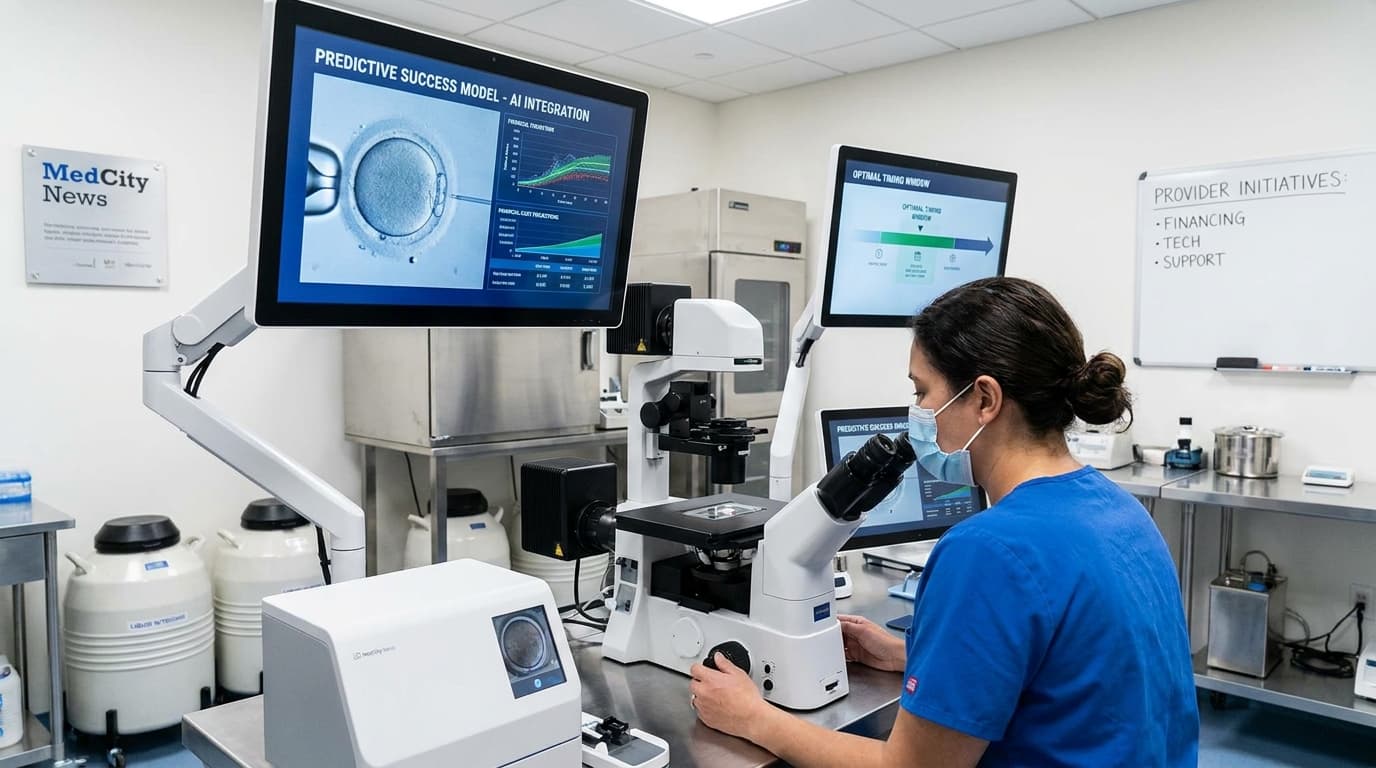
- Clinics are adopting better predictive modeling tools to give patients more accurate estimates of their chances based on age, fertility status, and procedure history.
- Transparent patient education, including the publication of clinic-specific success rates, can help set realistic expectations.
- Supportive counseling and mental health services are sometimes bundled to assist patients through the complexities of decision-making and post-procedure outcomes.
Timing: The Window of Optimal Fertility Preservation
Determining when to freeze eggs is a critical consideration that intersects with the statistical and social realities of fertility. Biological evidence consistently demonstrates that egg quantity and quality decline with age, meaning earlier freezing typically offers the best outcome. However, the decision is rarely straightforward. Social, professional, and relationship milestones can all influence when an individual feels ready to undergo the process. Moreover, financial constraints, career demands, and uncertainties in personal circumstances can delay the procedure beyond the medically optimal timeline.
Timing decisions are further complicated by the persistent misconception that egg freezing is a fail-safe backup plan that assures biological parenthood at any age. Providers increasingly stress that while egg freezing may extend reproductive options, it cannot eliminate the effects of advancing age on the probability of a healthy pregnancy.
- Addressing timing concerns:
- Educational initiatives and outreach programs strive to inform younger women about the genuine implications of age-related fertility decline, ensuring that those who might benefit most from early freezing have the information to make empowered choices.
- Clinics are also offering preliminary fertility assessments for women in their 20s and early 30s, supporting personalized family planning strategies.
Provider Initiatives and Innovation
Across the fertility landscape, industry stakeholders are experimenting with a variety of practical approaches to reduce the impact of these barriers:
-
New Financing Models: Expansion of employer-sponsored fertility benefits and an increasing number of clinics offering flexible payment solutions are making egg freezing less cost-prohibitive. Loan programs, price transparency, and competitive bundled packages are becoming more common as the market adapts to patient needs.
-
Tech-Enhanced Success Prediction: Tools powered by artificial intelligence and machine learning are being integrated to improve individual prognosis. By analyzing patient-specific data, modern prediction models can help patients understand the likelihood of future success and make more informed choices.
-
Patient-Centered Support Structures: Beyond the procedural aspects, clinics are focusing on holistic care, including access to mental health professionals, peer support groups, and patient education to help individuals manage the psychological dimensions of elective fertility preservation.
Policy and Advocacy: The Push for Broader Access
Beyond provider-level changes, professional societies, patient advocacy groups, and thought leaders are lobbying for legislative and regulatory shifts to normalize fertility preservation. Efforts include:
- Advocating for health insurance reforms that address reproductive health disparities and guarantee at least partial coverage for elective egg freezing procedures.
- Supporting public awareness campaigns focused on demystifying the egg freezing process and clarifying its realistic outcomes.
- Collaborating with employers to highlight the value proposition of comprehensive fertility benefits in workplace retention and satisfaction.
Looking Ahead: The Future of Egg Freezing Accessibility
Despite progress, significant work remains to be done before egg freezing is universally accessible and accompanied by clinical and psychological guarantees. As research continues to clarify both the biological and societal nuances affecting patient decisions and outcomes, the industry will likely see an acceleration of innovations in affordability, transparency, and support mechanisms.
At the intersection of technology, economics, ethics, and social policy, the field of fertility preservation represents one of the most complex and dynamic segments of modern reproductive health. As providers attempt to address the triad of cost, outcome uncertainty, and timing, their collective efforts may ultimately reshape the calculus of reproductive autonomy and inform broader conversations about the future of family building in the 21st century.
Source: MedCity News
Join the BioIntel newsletter
Get curated biotech intelligence across AI, industry, innovation, investment, medtech, and policy delivered to your inbox.