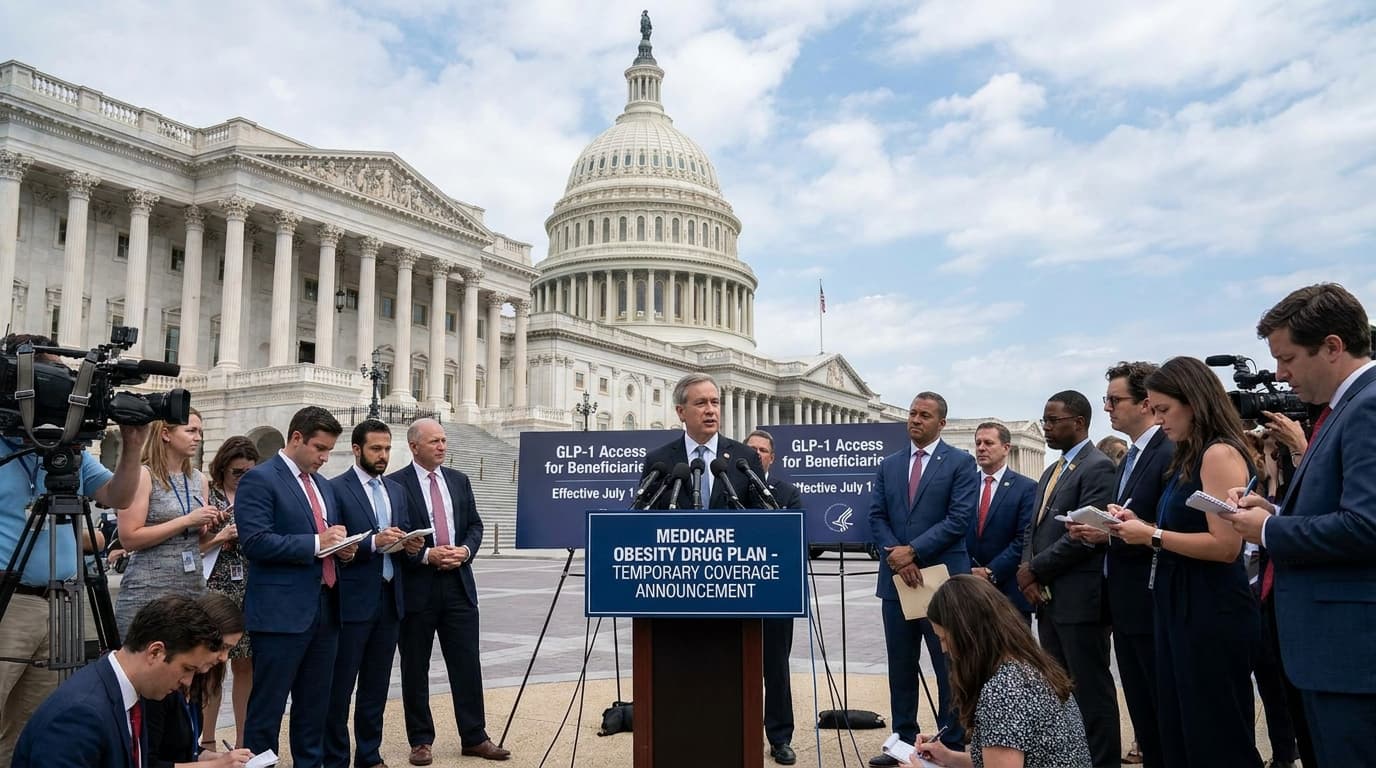
Trump’s Obesity Drug Plan: Temporary Medicare Coverage for GLP-1s Set to Reshape the Landscape

Beginning July 1, Medicare will temporarily provide GLP-1 obesity drugs for a $50 copay. While leaders call it a bridge program, the real-world implications suggest that winding it down may prove politically and practically difficult, reshaping national dialogue on obesity, drug costs, and entitlement reform.
Introduction
Obesity remains one of America’s most pressing health crises — with consequences for individuals, health systems, and government budgets alike. In an unprecedented move, the federal government has announced that, effective July 1, Medicare will begin covering GLP-1 weight-loss drugs for a monthly copay of $50. This initiative is framed as a temporary "bridge program," designed to lower barriers for those who struggle most with obesity and its costly comorbidities.
While the program ostensibly has an expiration date, many policymakers, healthcare analysts, and industry stakeholders believe it is likely to become a permanent feature of federal drug coverage. This article will unpack the regulatory backdrop, political context, cost implications, and broader healthcare policy consequences of the plan — with a keen focus on both the practical realities and the uncertainties that loom ahead.
Background: What Are GLP-1 Drugs, and Why the Fuss?
GLP-1 (glucagon-like peptide-1) receptor agonists were first developed as diabetes medications to improve blood glucose control. However, mounting evidence over the past decade reveals their impressive efficacy in promoting weight loss, leading to the rebranding and expansion of these drugs for obesity treatment.
This new Medicare policy will expand subsidized access to these high-profile treatments, which have been headline news for their transformative weight-loss potential and blockbuster status in pharmaceutical markets. The list price of leading GLP-1s often exceeds $1,000 per month; at a $50 copay, Medicare enrollees will be able to access these medicines at a fraction of the typical out-of-pocket cost, at least for the duration of the program.
The Structure of the Medicare Bridge Program
- Timeline: The program is set to launch July 1, with no fixed end date currently specified, though federal officials call it a temporary arrangement pending additional data and rulemaking.
- Eligibility: All Medicare beneficiaries suffering from obesity or qualifying comorbid conditions qualify for the benefit.
- Cost to Enrollees: $50 copay for eligible GLP-1 therapies.
- Drug List: Though not comprehensive, the program includes currently approved GLP-1s for weight management as indicated by the FDA.
- Coverage Mechanisms: Designed to bridge a policy gap between current limitations and eventual full Medicare drug benefit modernization, this arrangement operates outside the core Medicare Part D benefit structure.
Political and Regulatory Context
The Medicare GLP-1 bridge plan is as much a product of political calculation as public health strategy. America’s obesity epidemic, with its compounding impact on heart disease, diabetes, disability, and healthcare costs, is widely acknowledged across the aisle; however, subsidizing relatively new, high-cost weight-loss drugs through the largest federal health insurance program is not without controversy.
The Trump administration has positioned the plan as a practical, results-focused response to urgent health needs. However, critics note the temporary status may mask reluctance to commit to long-term increases in Medicare spending or resistance to more systemic prescription drug reforms.
Potential Benefits
- Improved Outcomes for Beneficiaries: Easier access to GLP-1s could help millions of Medicare enrollees better manage obesity, reducing downstream complications and hospitalizations associated with diabetes, cardiovascular disease, and joint problems.
- Systemic Savings: If the drugs prove as effective and safe at scale as in clinical trials, the reduced burden of obesity-related disease could yield significant cost offsets for Medicare and the broader health system.
- Equity in Drug Access: The bridge program closes a well-documented gap in coverage, extending powerful new therapies to less affluent or higher-risk elderly populations who otherwise might not afford them.
The Political “Stickiness” of Temporary Programs
Although described as a short-term fix, many experts contend it is extremely difficult to sunset a benefit once delivered to a broad base of beneficiaries. Historical precedent, from Medicaid expansions to prescription drug plans, demonstrates that once the public comes to rely on a benefit, reversing course becomes politically perilous and administratively complex. Congressional leaders from both parties may face significant pushback from constituents, patient advocacy groups, and the medical community if they attempt to phase out or restrict access at a later date.
Industry, Payer, and Provider Reactions
Biopharmaceutical firms that manufacture GLP-1s are poised for a surge in demand, though rebate negotiations with CMS and managed care plans could become a source of tension. Payers will monitor utilization, outcomes, and budgetary impact closely, while state Medicaid programs and commercial insurers may feel pressure to match or complement the new Medicare benefit for non-elderly populations.
Providers and obesity specialists must ramp up capacity for safe prescribing, monitoring, and addressing the unique social and behavioral health needs implicated in weight management.
Challenges and Critiques
- Cost Containment: With list prices for GLP-1s at their current levels, widespread use among Medicare beneficiaries may significantly increase overall federal drug spending, even accounting for negotiated discounts and rebates.
- Sustainability: Critics question the long-term fiscal viability of making expensive therapies widely available under a program that serves over 60 million Americans. Some analysts fear future shortfalls could lead to sudden benefit restrictions or new eligibility hurdles.
- Equity After the Bridge? If the bridge program ends, clarity is lacking on what replacement coverage, if any, will be available and what populations might lose access amid abrupt transitions.
- Data Collection and Real-World Evidence: The bridge program explicitly seeks to gather real-world utilization and outcomes data to inform future rulemaking. How this data is analyzed, shared, and integrated into broader policy decisions will be closely scrutinized.
Long-Term Implications for Federal Drug Policy
Should the bridge become a “norm,” the move could redefine the boundaries of Medicare benefits — and set a precedent for how new drug classes (such as anti-obesity medications, gene therapies, or other high-cost treatments) are incorporated into entitlement programs. The political and fiscal optics of offering a $50 weight-loss prescription to all Medicare-eligible individuals will shape future negotiations over the scope and limitations of public benefit programs.
The policy may also have international ramifications. If U.S. demand for GLP-1s spikes, global supply chains could come under strain, affecting pricing and availability in overseas markets. The coverage decision may also spur additional pharmaceutical innovation and investment in the obesity therapeutics space, with potential benefits and risks for patients worldwide.
Conclusion
The new temporary Medicare coverage for GLP-1 obesity drugs is a landmark federal action that, while explicitly billed as short-term, may fundamentally reshape access, cost, and political expectations for obesity treatment in the United States. Policymakers, payers, providers, and patients will be closely watching the rollout to assess its effectiveness, sustainability, and broader consequences for healthcare reform. As history suggests, the hardest part may be deciding whether — and how — to end a popular benefit once the genie is out of the bottle.
For ongoing updates and in-depth analysis from across the healthcare policy landscape, stay connected with BioIntel.
Original reporting available at STAT News: Trump’s obesity drug plan creates a temporary Medicare program that may be hard to end.
Join the BioIntel newsletter
Get curated biotech intelligence across AI, industry, innovation, investment, medtech, and policy delivered to your inbox.