Building Trust: The Path to AI Integration in Physical Therapy

As artificial intelligence continues to advance within healthcare, physical therapists explore how to incorporate AI effectively and ethically into musculoskeletal (MSK) care. Establishing trust in these technologies and implementing clear operational rules are critical for successful integration.
Artificial intelligence (AI) holds transformative potential for healthcare, offering advanced diagnostic capabilities, treatment personalization, and operational efficiencies. In physical therapy, particularly in managing musculoskeletal (MSK) conditions, AI technologies are slowly gaining traction, promising enhancements in patient assessment, treatment planning, and outcome monitoring.
Despite these technological advancements, the journey to widespread AI adoption in physical therapy faces significant hurdles. Key among these is establishing trust—both from clinicians who will use these tools and patients who rely on their accuracy and safety. Trust depends largely on clear, rigorous, and enforced guidelines that govern AI applications in MSK care.
Physical therapists emphasize that if AI is to be integrated effectively, the healthcare community must develop and adhere to "non-negotiable rules" that address transparency, data privacy, clinical validation, and ethical considerations. Such standards will ensure AI tools complement, rather than replace, the nuanced clinical judgment essential to patient care.
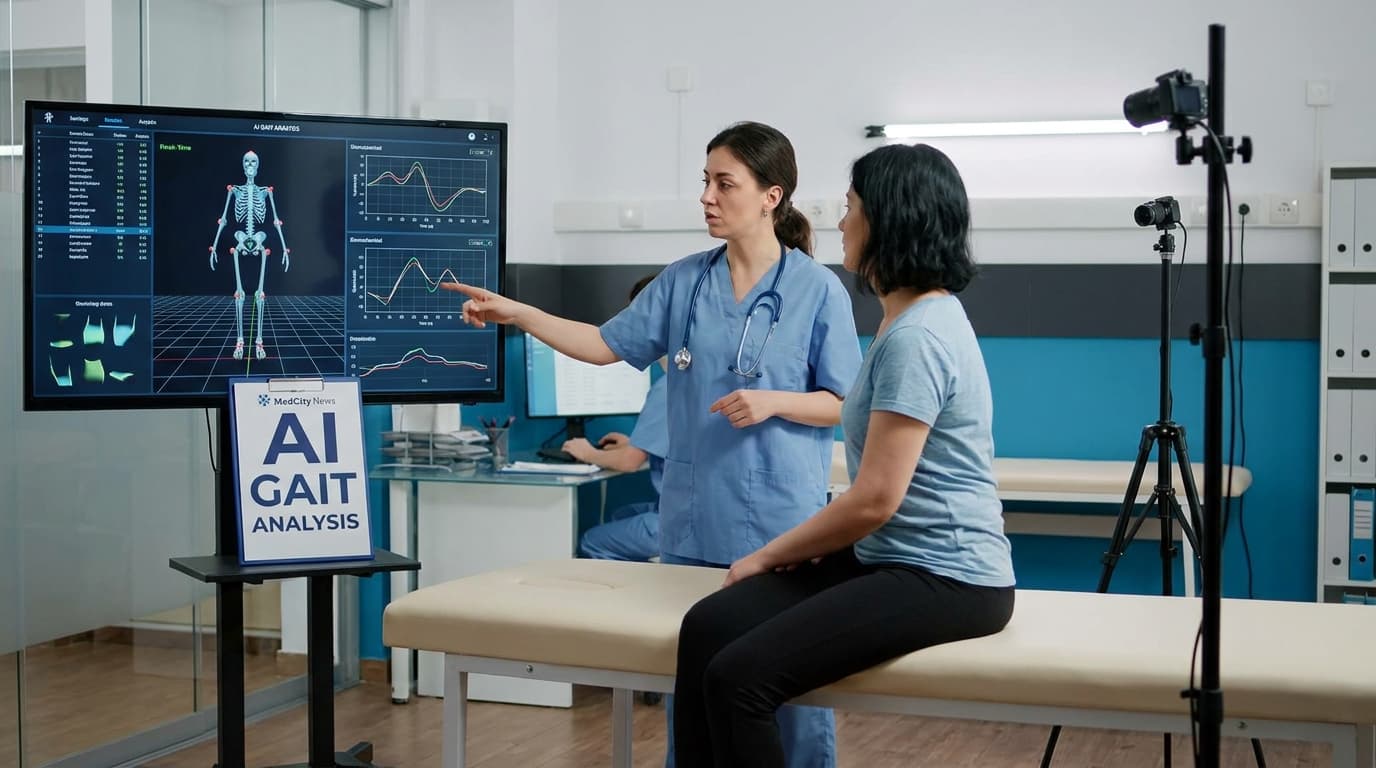
Practical examples include AI-driven assessments that can detect subtle gait abnormalities or predict injury risks, technologies facilitating remote monitoring, and applications that assist in personalized rehabilitation protocols based on real-time patient data. These innovations require careful validation through clinical trials and must be implemented with training and oversight to maintain therapeutic standards.
Moreover, interdisciplinary collaboration involving AI developers, healthcare practitioners, regulators, and patients is vital for co-creating AI solutions that are clinically relevant and socially accepted. Education and transparent communication contribute to demystifying AI, helping to reduce skepticism and apprehensions about errors or biases.
The journey to AI integration in physical therapy is emblematic of a broader healthcare readiness challenge for AI. It highlights the need to address systemic foundational issues, including workflows, interoperability, and regulatory frameworks, before the promise of AI can be fully realized in practice.
Ultimately, cultivating a culture of trust, supported by clear guidelines and continuous evaluation, will be the cornerstone for leveraging AI's potential in enhancing MSK care. This approach will pave the way for innovations that improve patient outcomes while maintaining high standards of safety and professional responsibility.
For a detailed perspective on this evolving subject, see the original article by MedCity News: How I Learned To Trust AI as a Physical Therapist.
Join the BioIntel newsletter
Get curated biotech intelligence across AI, industry, innovation, investment, medtech, and policy delivered to your inbox.