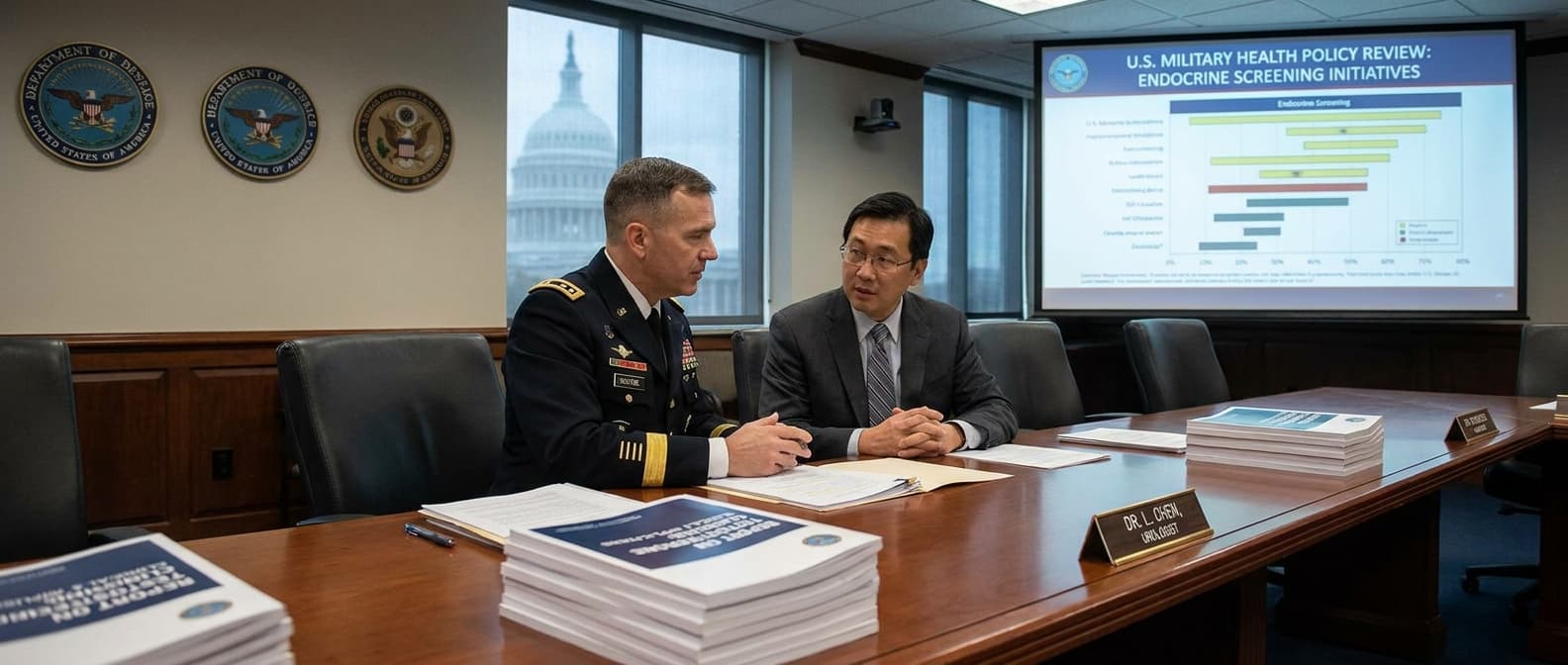
Opinion: Beware the Unintended Consequences of Testosterone Screening for Military Servicemembers

The push for annual testosterone screenings in the military is presented as a public health and readiness initiative, but experts warn that such a move could introduce a host of unexpected clinical and social complications. This article explores the multifaceted debate, examining the science, policy aims, and unintended consequences that could emerge from widespread hormone screening.
Understanding the Push for Testosterone Screening in the U.S. Military
The recent advocacy for annual testosterone screening among U.S. military servicemembers has triggered a complex debate among clinicians, policymakers, and bioethicists. The debate has been sharpened by insights from urologists with direct research experience in hormonal health. Although the intention behind widespread testosterone screening is presumably to enhance servicemember readiness, optimize health, and detect potential hormone imbalances that could affect performance, some experts are voicing caution regarding the far-reaching and possibly unintended ramifications.
The Rationale for Widespread Screening
Testosterone is widely recognized as a key hormone affecting muscle strength, mood, bone density, and overall vitality—factors especially relevant to individuals serving in physically demanding roles. In recent years, military leadership has grappled with concerns about the health and effectiveness of the force. Routine screenings are often posited as drivers of better health outcomes, supporting early detection of hypogonadism or related hormonal disorders that could impede service performance.
Given this context, some policymakers argue a standardized, institutional approach to hormone screening could bring uniformity and predictability to military health protocols. Proponents often cite the potential for early detection and intervention as a critical advantage in operational environments characterized by extreme stress and fluctuating physical demands.
Expert Concerns: "Surprising and Unintended Consequences"
Yet for all the well-meaning intentions, caution abounds among clinical experts, particularly urologists and endocrinologists deeply familiar with the nuances of testosterone regulation. A leading urologist, who has devoted years to testosterone research, highlighted the principle issue succinctly: "I fear that the widespread rollout of testosterone screening may lead to some surprising and unintended consequences."
While the broader clinical community is not monolithic in its stance, several categories of concern are emergent. These include:
Overdiagnosis and Overtreatment
Routine screening can identify naturally low testosterone levels that are not necessarily indicative of pathology or impaired performance. Diagnosis of "low testosterone" in asymptomatic individuals could trigger cascades of further testing, referrals, and potential overmedication—often without clear evidence that intervention would improve outcomes for the majority.
The risk is not merely theoretical: A medicalized approach to mild hormonal variations can lead to overuse of testosterone supplements or other therapies, which carry their own side effects, costs, and uncertainties. Over time, this could create a new health burden where none previously existed.
Psychological and Social Effects
The act of being screened—even in a population trained for resilience—may plant seeds of concern or self-doubt regarding physical adequacy or "normalcy," especially in a hierarchical organization where absolute physical standards are culturally significant. Overemphasis on hormone metrics could inadvertently reinforce a culture of performance anxiety, or stigmatize individuals found to have lower hormone levels for non-pathological reasons.
Ethical Dimensions and Privacy Considerations
Broad-spectrum screening initiatives inherently raise questions over consent, confidentiality, and the proper use of medical data in institutional settings. Military personnel could face difficult choices involving disclosure, privacy of results, and potential implications for career advancement or deployment status. In any scenario where hormone levels become a de facto measure of fitness, lines between supportive medicine and intrusive surveillance blur.
Shifting the Supplement Landscape
Experts caution that greater attention to testosterone levels—especially absent comprehensive education—could drive increased demand for supplements, both licit and illicit. The military already contends with challenges around supplement misuse; systematic screening might unintentionally promote risky behaviors among those eager to "normalize" their hormone levels quickly.
Potential Systemic Outcomes and the Precedent for Caution
U.S. healthcare is replete with examples where broad screening led to unforeseen downstream effects. Mass prostate-specific antigen (PSA) testing, for instance, generated both early diagnosis and large amounts of unnecessary treatment, sparking debates that persist to this day. When screening precedes clear evidence of what to do with outlier results, systems may drift toward inconsistent care, escalating costs, and potential harm to otherwise healthy individuals.
In the closed-loop world of military medicine, such effects could be magnified. The potential for policy to outpace evidence-based guidelines is real, and serves as a reminder of the importance of measured, context-appropriate approaches to preventive care.
Redefining "Readiness"
While a universal screening policy might seem like a direct path to maximizing readiness, it raises philosophical queries: Does true readiness mean conformity to a single laboratory standard or adapting to each servicemember's unique physiology? Medical experts encourage leaders to think carefully before equating a numeric hormone value with the broader concepts of fitness, resilience, or leadership potential.
Moving Toward Informed Implementation
If testosterone screening is to become a feature of military health, experts argue that steps must be taken to ensure its application aligns with best practices in population medicine:
- Evidence-Based Criteria: Define who should be screened and under what circumstances, guided not by institutional inertia but by current research and clear clinical markers.
- Education and Counseling: Equip both clinicians and servicemembers with comprehensive education regarding hormonal variation, normalcy, and potential interventions.
- Data Protection: Instituting strong safeguards for privacy, limiting the use of health information to what is medically necessary and ensuring it plays no unintended role in career determinations.
- Continuous Evaluation: Periodically assess the impact of screening on clinical outcomes, morale, and healthcare resource utilization, ready to adjust course as evidence and experience dictate.
Conclusion: The Layered Nature of Medical Policy in High-Stakes Environments
In sum, the well-intentioned shift toward routine testosterone screening in the U.S. military ought to be tempered by recognition of potential unintended consequences. From overdiagnosis to ethical dilemmas and beyond, policy leaders must weigh not only the clinical benefits but also the hidden risks and broader social effects that large-scale medical initiatives may bring. The conversation is far from settled, underscoring the perennial tension between pursuit of optimal health and the complexities of implementing system-wide health interventions in a dynamic and diverse population.
Source: STAT News – Beware the unintended consequences of testosterone screening for military servicemembers
Join the BioIntel newsletter
Get curated biotech intelligence across AI, industry, innovation, investment, medtech, and policy delivered to your inbox.