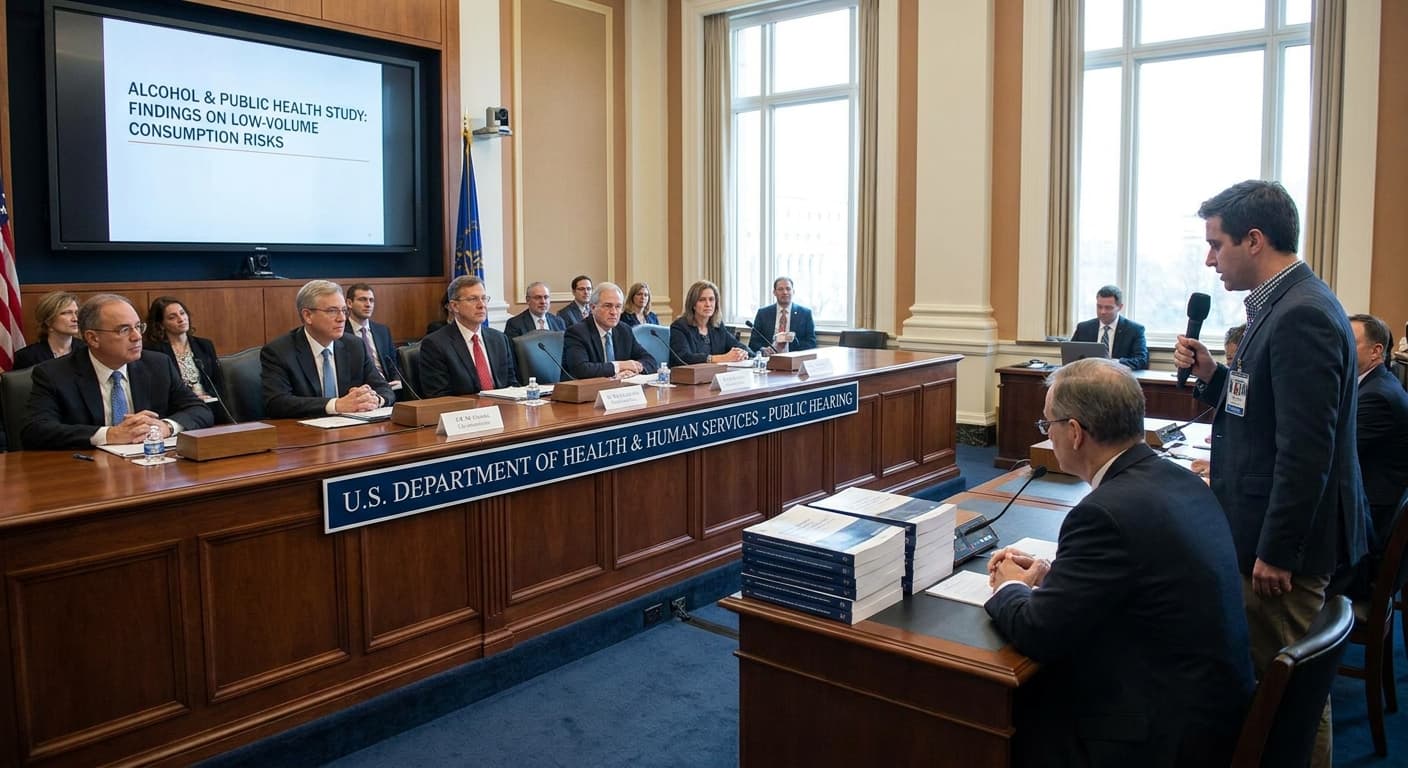
Suppressed U.S. Alcohol Study Published: Risks of Even Light Drinking Come Into Focus

A major study on alcohol’s health risks, originally intended to inform U.S. dietary guidelines but discarded by officials in the previous administration, has now found its way into the scientific literature. The report reaffirms the association between even light alcohol use and adverse health outcomes, igniting new considerations for public health policymakers and clinicians.
Introduction
A pivotal government-commissioned alcohol study, once withheld from publication by officials during the Trump administration, has been released in a scientific journal. According to STAT News, the landmark analysis—originally designed to influence updates to U.S. dietary guidelines—concludes that even drinking as little as one alcoholic beverage per day is associated with increased health risks. The release of this study is set to prompt renewed debate about alcohol policy, dietary guidance, and the intersection of science and political decision-making in the United States.
Background and Political Controversy
The study at the heart of this story was initiated to provide impartial, evidence-based recommendations for the next revision of the U.S. Dietary Guidelines. Studies of this type are integral to setting policy that touches millions of Americans—guiding not only individual consumer behavior but also informing public health priorities and education.
However, in the previous presidential administration, political appointees ultimately chose not to release the findings, raising questions about the role of politics in shaping scientific communication. The suppression of the report became a flash point for scientific advocacy groups and policymakers, who have called for greater transparency in how government agencies process and communicate evidence on population health risks.
The Study: Key Findings on Light Drinking
The newly published study analyzed the health consequences of alcohol at varying levels of consumption. Significantly, it found that even light drinking—defined as one drink or less per day—was associated with health risks. This finding challenges prior understandings of what constitutes "moderate" or "safe" levels of alcohol consumption, which for years lingered around one drink daily for women and two for men in various guidelines.
The health risks cited span a range of outcomes, including increased incidence of certain cancers, cardiovascular disease, and other chronic conditions. These results echo an increasingly robust international literature that has progressively challenged the idea of a “safe” drinking threshold, instead suggesting that for many, the safest option is abstinence or significant reduction in consumption.
Implications for Dietary Guidelines
One immediate consequence of the study’s publication is its potential impact on future U.S. dietary guidance. In the past, such guidance reflected a balance between evidence of potential health benefits and risks—a calculation now under fresh scrutiny given the more unambiguous risk profile shown by recent studies.
Public health authorities and organizations—including the CDC, NIH, and their state-level equivalents—will closely review the study as they shape their official messaging to the public. Advocacy groups and specialists in addiction, cancer prevention, cardiology, and general public health see the study as a call to revise messaging previously thought to condone or even promote moderate alcohol consumption.
Broader Public Health and Societal Impacts
For Clinicians and Healthcare Providers
Medical professionals are increasingly faced with the challenge of communicating nuanced risk information to patients. The publication of this study is likely to influence:
- Screening practices for alcohol consumption
- Counseling and risk discussions tailored to individual patient histories
- Public education campaigns and the training of clinicians
For Policy Makers
On the legislative front, the findings could stimulate a shift in policy, prompting:
- Consideration of new labeling requirements for alcohol products
- Alteration of public service campaigns
- Input into insurance reimbursement structures related to alcohol-related illness
For the Alcohol Industry
Manufacturers, distributors, and allied trade groups may feel pressure to adjust how they market their products, especially as health warnings become more prominent in public discourse. Additionally, consumer trends could shift if the new data changes perceptions about the risks of even light to moderate drinking.
The Science-Policy Interface: Lessons Learned
Perhaps most notable about the saga of this alcohol study is what it reveals about the intersection of scientific research and political oversight. The initial suppression of the study underscores the potential for political interests to sideline scientific evidence, particularly when findings run counter to cultural norms or economic interests. This episode is fueling renewed advocacy for:
- Clearer protocols on disclosure and publication of government-commissioned research
- Protection of scientific integrity within federal agencies
- Transparent communication between scientists, policymakers, and the public
International and Historical Context
Globally, drinking guidelines are under review in several peer nations. Countries such as Canada and Australia have moved toward lower recommended intake thresholds, shaped by accumulating evidence similar to that now published in the U.S. study. In many cases, this shift reflects a difficult but necessary recalibration of public health priorities as knowledge evolves.
The American experience with this alcohol study is illustrative of a broader phenomenon, with findings and recommendations sometimes delayed or muted due to political calculations. Stakeholders across academia, medicine, and public health hope that the release and dissemination of this study will encourage greater transparency in future cycles.
What Comes Next?
The publication of this suppressed alcohol study is likely to initiate several key developments:
- Potential modifications to U.S. Dietary Guidelines: If policymakers heed the study’s conclusions, recommendations for alcohol consumption could be tightened, with explicit warnings even for light drinking.
- Expansion of public education campaigns: With the scientific consensus shifting away from notions of protective effects of moderate alcohol use, campaigns may need to address both consumer myths and clinical best practice.
- Ongoing research and debate: Further longitudinal and interventional studies will be needed to clarify the risks and mechanisms at play, as well as to evaluate interventions aimed at reducing harmful use across diverse demographic groups.
Conclusion
The publication of a long-suppressed, government-commissioned alcohol study, revealing risks associated with even modest drinking, is a significant event in public health research and policy. As the findings enter the scientific and popular domain, their impact will ripple through clinical practice, government recommendations, and the broader policy landscape. For scientists, policymakers, clinicians, and the public, the episode serves as a reminder of both the power and politics of evidence-informed guidance in the quest for a healthier society.
Join the BioIntel newsletter
Get curated biotech intelligence across AI, industry, innovation, investment, medtech, and policy delivered to your inbox.