How US Pharma Manufacturing Pay Stacks Up Against Other Industry Roles

As the demand for pharmaceutical products continues to surge, the U.S. pharmaceutical manufacturing labor market stands out for its growth prospects and compensation. This comprehensive analysis explores why pharma manufacturing jobs offer a salary premium and how this trend compares to other roles within the broader industry.
In recent years, the U.S. pharmaceutical manufacturing sector has experienced remarkable growth, outpacing much of the broader manufacturing industry both in terms of demand and compensation. According to industry observers and recent data, pharmaceutical jobs within the manufacturing sub-sector are anticipated to be among the fastest-growing career paths within overall manufacturing, a sector long viewed as an economic backbone but often critiqued for stagnant wage growth and offshoring risks.
A Premium Position in U.S. Manufacturing
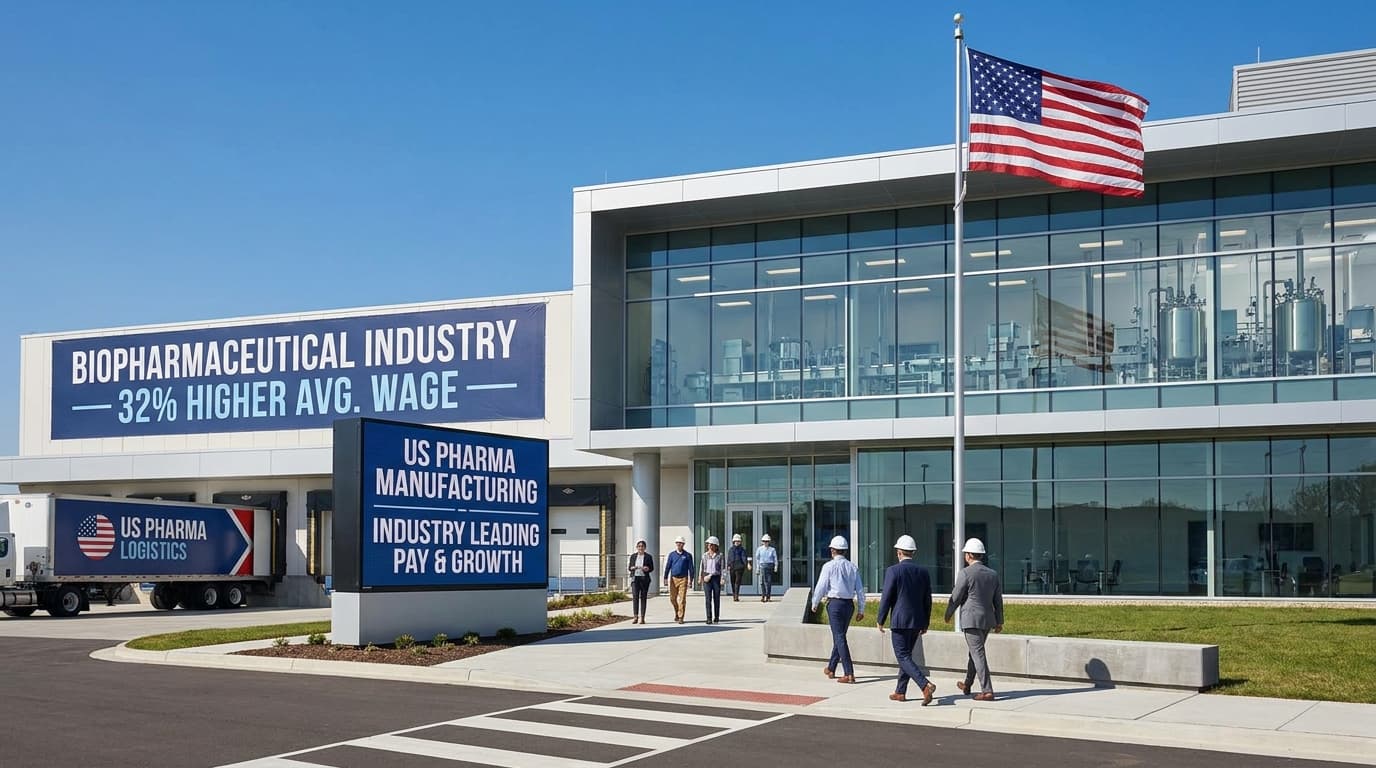
Pharmaceutical manufacturing not only plays a critical role in producing the medicines and therapies that power modern healthcare, but it also commands a premium in terms of employee compensation. The average salary for jobs in pharma manufacturing is reported to be approximately 32% higher than those in the average U.S. manufacturing role. This substantial wage differential sheds light on how the biopharmaceutical sector is carving out a niche that offers not only job security but also significant economic benefits for workers.
The reasons behind this pay premium are multifaceted. Pharmaceutical manufacturing typically requires a higher level of education and specialized skillsets compared to roles in traditional manufacturing such as automotive, textiles, or food processing. Employees often engage with complex equipment, comply with strict regulatory requirements, and work with substances requiring particular care and technical expertise. These factors drive up the value—both to the company and to society—of the talent serving these operations.
A Sector in the Spotlight: Growth and Opportunity
The pharmaceutical industry as a whole has witnessed a considerable uptick in growth—a trend catalyzed by public health crises, an aging population, burgeoning chronic disease burdens, and ongoing innovations in drug development. U.S. manufacturers are increasing investments in local production capabilities, driven in part by policymakers’ desire for more secure and resilient supply chains. Jobs are being created not just in research and development, but also on the manufacturing floor, where complex biologics, vaccines, and cutting-edge small molecule drugs are brought to life.
This robust demand is translating into job opportunities that are, by and large, more resilient to economic cycles compared to many other manufacturing niches. For workers, this means greater career security and the potential for long-term growth—and for regions that play host to major pharma manufacturing hubs, it means economic revitalization and a more skilled workforce.
Comparing Pharma Manufacturing to Other Industry Roles
The pay premium seen in pharma manufacturing is especially striking when compared side by side with other job categories both within and outside the broader pharmaceutical sector. While R&D positions and corporate roles in biotech and pharma often command high salaries, manufacturing jobs typically have lower barriers to entry from an educational and experience standpoint.
Yet, pharma manufacturing’s wage advantage over traditional manufacturing is remarkable. Where traditional manufacturing roles may be threatened by automation or low-cost offshore labor, pharmaceutical facilities require highly trained operators, engineers, quality control specialists, and regulatory compliance experts who understand both the biological manufacturing processes and the importance of maintaining stringent safety and quality standards.
Employees in this sector often benefit from extensive on-the-job training and certification programs, employer-sponsored professional development, and progressive pay packages to attract and retain skilled workers. In addition, these employees may participate in various incentive schemes tied to quality outcomes, efficiency, and regulatory compliance—further boosting overall compensation.
Workforce Development and Educational Alignment
As pharma manufacturing continues to expand, the sector is also witnessing a growing emphasis on workforce development and strategic partnerships with educational institutions. Community colleges, technical schools, and universities have ramped up programs designed to supply the talent pipeline with graduates prepared to meet the unique needs of advanced pharmaceutical manufacturing. This alignment is not only closing the skills gap but also ensuring that wage growth remains sustainable.
Programs range from certifications in aseptic processing and Good Manufacturing Practices (GMP) to longer-term degree tracks in biomanufacturing, biochemical engineering, and quality assurance. Employers often collaborate to shape curricula so that students gain hands-on, practical experience that is directly relevant to industry needs.
The Regulatory Factor in Compensation
Beyond the technical skill requirements, U.S. pharmaceutical manufacturing is heavily regulated by agencies such as the Food and Drug Administration (FDA). This regulatory burden—while essential for protecting patient safety—increases the complexity of manufacturing operations and, by extension, the value of skilled labor. Employees who understand how to navigate these regulatory landscapes are in high demand, and their compensation reflects this.
Pharma manufacturing roles include responsibilities that go far beyond mechanical operation, encompassing areas such as documentation, quality control, troubleshooting, and continuous process improvement under dynamic and highly visible compliance regimes.
Economic and Societal Impact
The above-market wages enjoyed by U.S. pharmaceutical manufacturing workers translate into significant economic and social benefits. Higher pay means greater purchasing power, more robust contributions to local economies, and increased tax revenues that support public services. Regions with growing pharma manufacturing footprints are seeing the downstream effects in the form of new housing, improved infrastructure, and revitalized local businesses.
Furthermore, employers often cite the positive impact on retention and morale. Workers who are paid well and offered ample growth opportunities are more likely to remain with their employers, reducing costly turnover and ensuring that institutional knowledge is retained.
Perspectives from Stakeholders
Industry executives, labor unions, and workforce analysts alike have all pointed to the importance of competitive compensation in sustaining the U.S. pharmaceutical manufacturing boom. Executives argue that paying a premium wage is necessary to attract talent in a hyper-competitive labor market. Worker advocates emphasize that these jobs provide a family-sustaining wage and real opportunities for advancement, particularly for individuals coming from communities historically underserved by the biotech and pharmaceutical sector.
Some caution, however, that as the sector grows, maintaining the wage premium may require a continued focus on upskilling and lifelong learning. As advanced automation, robotics, and digital solutions become more integral to pharma manufacturing, the demand for higher-order skills will only intensify.
Looking Ahead: The Future of Pharmaceutical Manufacturing Careers
As the pharmaceutical manufacturing industry evolves, the processes themselves are changing—becoming more complex, high-tech, and reliant on both traditional engineering and emerging data-driven technologies. Whether it's in the production of cell and gene therapies, new classes of biologics, or the scale-up of pandemic response capabilities, roles are expanding in breadth and depth.
It is likely that competitive wage dynamics will persist given the evolving regulatory landscape, the increasing sophistication of manufacturing methods, and the ongoing demand for novel treatments. This sustained compensation premium may continue to set pharma manufacturing jobs apart from those in lower-value manufacturing sectors for years to come.
Communities seeking economic revitalization—particularly those with a strong base in science, technology, engineering, and mathematics (STEM) education—may find themselves at the heart of this ongoing transformation. For employees, the combination of job growth, competitive pay, and opportunities to contribute to global health imperatives makes pharmaceutical manufacturing an increasingly attractive professional destination.
Conclusion
Overall, the evidence is clear: U.S. pharmaceutical manufacturing jobs are not only among the fastest-growing in the manufacturing sector, but they also command a significant wage premium. As the industry continues to innovate and respond to new global health challenges, the appeal of these roles is only set to increase. Whether through direct economic impact, higher compensation, or broader societal value, pharmaceutical manufacturing stands out as a bright spot on the American jobs landscape.
Join the BioIntel newsletter
Get curated biotech intelligence across AI, industry, innovation, investment, medtech, and policy delivered to your inbox.