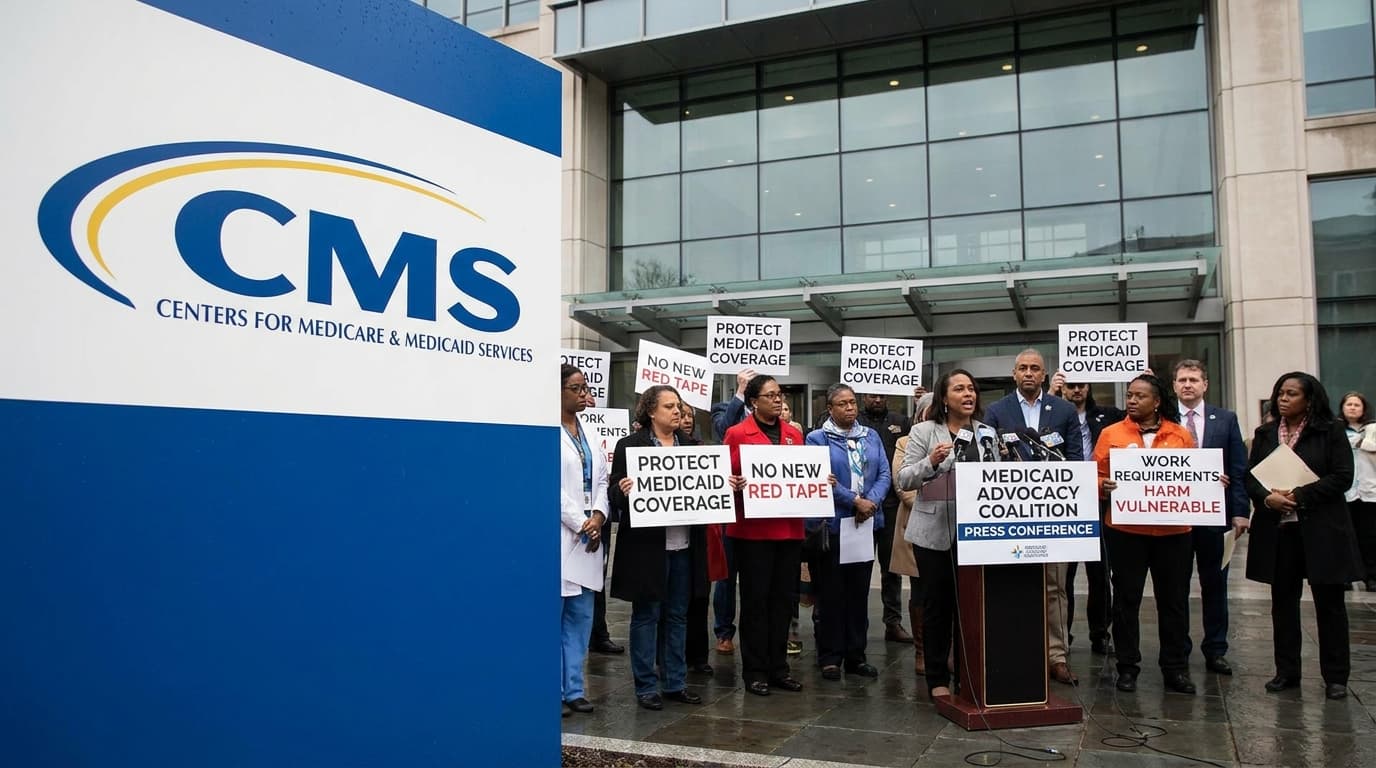
Will CMS’ Last-Minute Medicaid Work Requirement Changes Cause More Harm?

Last-minute revisions to Medicaid work requirements by CMS are raising alarm among stakeholders about the burden of additional paperwork and the risk of eligible participants losing coverage. This article analyzes the regulatory changes, examines arguments from policy experts and advocates, and explores the practical implications for beneficiaries and state agencies.
Introduction
Medicaid, the nation's largest source of health coverage for low-income individuals, is poised to undergo significant regulatory changes following a last-minute rule from the Centers for Medicare & Medicaid Services (CMS). The updated policy introduces new criteria for work requirement exemptions, presenting new red tape and potentially increasing the risk that eligible individuals could lose coverage. Healthcare advocates are warning that these shifts may do more harm than good, intensifying procedural complexities for both recipients and state administrators. This comprehensive analysis delves into the changes, assesses the rationale behind them, and evaluates their implications for Medicaid’s most vulnerable enrollees.
The Context: Medicaid Work Requirements and Policy Evolution
Medicaid has long been an essential public health resource, providing access to healthcare for millions of Americans who otherwise could not afford insurance. Over the past decade, work requirements for Medicaid eligibility have surfaced in various forms at the state and federal levels, usually as a means to encourage employment and reduce government expenditure. Until recently, states that sought to implement work requirements had to obtain federal waivers and demonstrate that such conditions would not unduly restrict access for eligible participants.
Recent shifts in federal administration and policy priorities have seen CMS take a more active role in shaping how states can define and implement work-related conditions. The latest change is a new rule stipulating adjustments to the list of exemptions that allow Medicaid recipients to avoid work requirements due to qualifying circumstances like disability, pregnancy, or caretaking responsibilities.
The New Rule: Increased Red Tape and Administrative Challenges
According to healthcare advocates monitoring the regulatory landscape, the most pressing worry is that the new rule increases the bureaucratic complexity required to process, verify, and approve exemptions. Whenever additional documentation is required, the administrative burden on recipients—and the risk of procedural errors—rises. Historically, increased paperwork and verification have been correlated with eligible beneficiaries losing coverage, not because of changes in eligibility, but due to procedural complexities and missed deadlines.
- Concerns about documentation and verification:
- New rules may require additional, and sometimes redundant, forms of proof to validate exemption status.
- States, many still grappling with post-pandemic administrative backlogs and resource shortages, may find it challenging to implement these changes effectively and efficiently.
- Recipients could face delayed or disrupted access to care as paperwork is processed, with some potentially falling through the cracks entirely.
Stakeholder Reactions: Advocates, States, and Beneficiaries
The response from the healthcare advocacy community has been swift and critical. Several groups expressed that, rather than promoting program integrity, last-minute regulatory changes exacerbate systemic inequities and create barriers for those already struggling to maintain coverage. There is consensus that such rapid shifts at the administrative level risk confusion among both front-line case workers and the people they serve.
- Arguments from advocates:
- The increased paperwork and verification steps do not necessarily target ineligible individuals, but instead sweep up eligible enrollees in complex processes.
- Procedural terminations—those resulting from documentation failures rather than genuine ineligibility—are already a leading cause of lost coverage in Medicaid. New rules may amplify this trend.
- Vulnerable populations, including individuals with disabilities and language barriers, may be disproportionately affected by intensified compliance demands.
The Practical Impact: Can the Rule Achieve Its Intended Goals?
Proponents of stricter oversight argue that work requirements and rigorous exemption criteria are crucial to preventing fraud and ensuring that Medicaid remains a safety net for those truly in need. However, real-world experience suggests that increased red tape often results in barriers for the very populations the program aims to protect. States implementing previous work requirement pilots often saw declines in enrollment unaccompanied by corresponding increases in employment, suggesting that administrative complexity, not changing eligibility, was the main force behind coverage losses.
- Lessons from past implementations:
- Data from Arkansas’ brief work-requirement program in 2018-2019 showed significant drops in enrollment, primarily due to missed deadlines and confusion over acceptable documentation, rather than large-scale fraud prevention.
- Many eligible individuals who lost coverage did so unknowingly, underscoring the risk inherent in any policy change that increases complexity without proportionate investment in administrative support and outreach.
State Capacities and Variability
States differ widely in terms of administrative resources, technological infrastructure, and outreach capacities. While some states have robust systems and experienced staff accustomed to rapid regulatory pivots, others—particularly those with large rural or underserved populations—may struggle to implement new requirements promptly. State Medicaid agencies, many of which have experienced workforce attrition and increased turnover in recent years, must now rapidly train staff, rework procedures, and communicate changes to their clientele with clarity.
- Impact on agencies:
- Agency staff face new workloads and potential confusion about how best to interpret and enforce the overlay of new rules on existing systems.
- Outreach campaigns must be scaled up to prevent eligible individuals from inadvertently losing coverage due to misunderstanding or missed deadlines.
Regulatory Uncertainty and Forward Policy Direction
Because the new CMS rule was introduced rapidly and at a late stage, uncertainty remains about its implementation timeline and lasting effect. Advocates, state officials, and beneficiaries alike await possible clarifications, legal challenges, or further modifications as the realities of administration unfold. The regulatory environment surrounding Medicaid eligibility is therefore likely to remain in flux in the months ahead, requiring careful monitoring and ongoing analysis.
Conclusion: Balancing Integrity and Access
At the core of the debate lies an essential tension: how to balance program integrity with equitable access to vital health services. As the latest CMS rule raises concern about an increase in red tape and coverage loss, the focus must remain on the tangible impacts for the individuals and families most reliant on Medicaid.
The trajectory of health policy is often defined by the interplay of intention and implementation, and as stakeholders across the ecosystem respond to this new regulatory reality, their collective actions will shape the future of Medicaid as a safety net in a changing America.
Source: MedCity News
Join the BioIntel newsletter
Get curated biotech intelligence across AI, industry, innovation, investment, medtech, and policy delivered to your inbox.