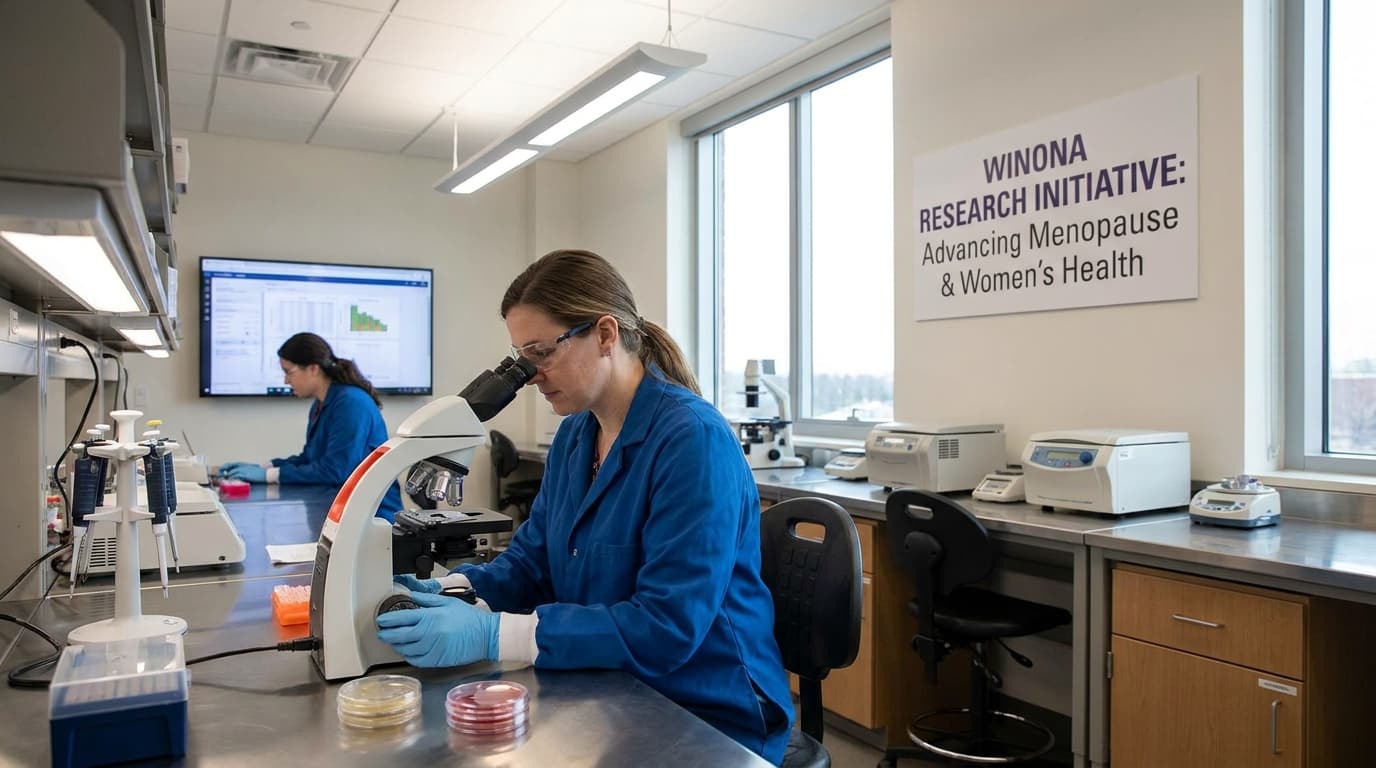
MedCity FemFwd: Inside Winona’s New Women’s Health Research Initiative

Dr. Cathleen Brown, medical director at Winona, discusses the launch of the Winona Research Initiative—a program dedicated to supporting and funding research that empowers women’s health, with a special emphasis on menopause. This effort could reshape future approaches, funding paradigms, and research agendas in an area that has long been under-resourced.
Renewing Focus: Winona’s Women’s Health Research Initiative Shapes New Era for Menopause Science
In the dynamic field of biomedical research, women’s health has often been a chronically underexposed and underfunded segment. Despite representing half the population, female-centric conditions—particularly those related to menopause—have lagged far behind in terms of clinical attention, research dollars, and innovative solutions. Winona, a company focused on menopause and women’s health, is seeking to change this with the launch of its Winona Research Initiative.
Addressing Historic Gaps in Women’s Health Research
Historically, women’s health has suffered from both social stigmas and institutional neglect. Menopause, for example, affects millions worldwide but remains poorly understood and insufficiently treated. Clinical trials have long excluded women, especially postmenopausal women, leading to wide knowledge gaps in both safety and efficacy of therapeutics. As a result, decisions about care are often made in the absence of robust science.
The Winona Research Initiative: Scope and Mission
The Winona Research Initiative seeks to correct these imbalances by directly financing and supporting research into menopause and the broader realm of women’s health. Under the leadership of Dr. Cathleen Brown—Winona’s medical director and a vocal advocate for holistic women’s care—the initiative is positioned not simply as a funding vehicle, but as a collaborative platform to:
- Drive new clinical trials specifically focused on menopause-related conditions
- Encourage innovation in therapeutics, diagnostics, and patient-reported outcomes
- Develop and disseminate educational resources for both professionals and the public
Winona’s approach aligns scientific rigor with a mission of public benefit—a rare intersection given that research in female health has often struggled for commercial as well as academic support.
Menopause Research: Challenges and Opportunities
The complexities of menopause mean that one-size-fits-all solutions are typically ineffective. Hormonal changes generate a spectrum of symptoms and comorbidities, affecting everything from bone density to cardiovascular health, mental wellness, and sexual function. The Winona Research Initiative is designed to foster collaborative, interdisciplinary research that cuts across biology, psychiatry, gynecology, and social determinants of health.
The Funding Gap: Why Research Dollars Matter
A significant barrier to advancing the science in this realm is funding. Many traditional grant mechanisms neglect menopause and related conditions in their priority areas. By establishing its own initiative, Winona is creating a reliable stream of investment that could inspire similar ventures by others, magnifying the total impact.
Scientific and Societal Benefits
Beyond the lab, this initiative has the potential to:
- Elevate awareness about menopause and women’s health issues in the public domain
- Empower patients by giving them access to credible, timely, and actionable information
- Influence policy by providing clinical data that can shape guidelines and insurance coverage
Expert Commentary: What Industry Leaders Are Saying
According to Dr. Brown, the goal goes beyond supporting a handful of studies: “We want to establish menopause research as a robust, interdisciplinary field—and finally offer women actionable answers, not just platitudes.” Experts unaffiliated with Winona have echoed that such efforts are overdue and, if successful, could serve as a template for how other underfunded areas of research can organize coalitions that blend private sector energy with public health imperatives.
Future Directions and the Broader Landscape
The Winona Research Initiative is not a panacea, but rather the beginning of what advocates hope will be a sustained movement. If it gains traction, expected outcomes include:
- A broader, more representative evidence base for menopause treatments and interventions
- Accelerated therapeutic innovation, possibly resulting in new first-line treatments
- Increased engagement within the pharma and biotech sectors to address women’s health more holistically
Importantly, Winona’s move could pressure grantmakers, insurers, and regulatory bodies to reevaluate the priority given to menopause and women’s health—translating grassroots industry action into top-down policy adaptation.
Final Thoughts: The Promise and the Path Ahead
Winona’s initiative arises at a time of renewed dialogue about equity in both research and clinical care. The tangible benefits for women experiencing menopause could be substantial: better therapeutics, a deeper understanding of symptom drivers, and increased agency in navigating midlife health. Even more, the bold step of creating a dedicated research fund may inspire ripple effects across the health ecosystem—potentially leading to more energetic, multidisciplinary, and inclusive science in women’s health for years to come.
Join the BioIntel newsletter
Get curated biotech intelligence across AI, industry, innovation, investment, medtech, and policy delivered to your inbox.