 Jun 27, 2026
AI adoption in medicine has accelerated, but clinicians and researchers warn that generative models fall short in explaining their outputs. Transparent, causally rooted systems could bridge the trust gap and improve care, marking a pivotal inflection point for AI in clinical settings.
 Daniel Cho
 Jun 26, 2026
AI’s technological prowess in healthcare is evident, but many projects stall once initial pilots end. This deep-dive analysis explores why capability alone is not enough, identifying systemic obstacles and offering context on moving from pilot to practice.
 Emily Carter
 Jun 22, 2026
While AI’s role in speeding up the initial discovery phase is undeniable, the journey from promising in silico leads to approved drugs remains challenging. This article explores how AI, development processes, and regulatory standards interconnect in modern drug R&D.
 Jonathan Blake
 Jun 21, 2026
The increasing integration of AI in clinical settings has ignited debate about the presence of bias in these tools. While some argue for bias-free models, others contend that AI must recognize and account for real-world disparities to improve care delivery and outcomes.
 Dr. Alex Morgan
 Jun 17, 2026
The partnership between Merck and Protillion represents a substantial investment in artificial intelligence for drug discovery, specifically targeting the development of biologic therapies for unknown indications. As AI continues to revolutionize the way new medicines are designed and optimized, this high-value collaboration may mark a significant turning point in how big pharma approaches early-stage research and portfolio development.
 Dr. Priya Nandakumar
 Jun 17, 2026
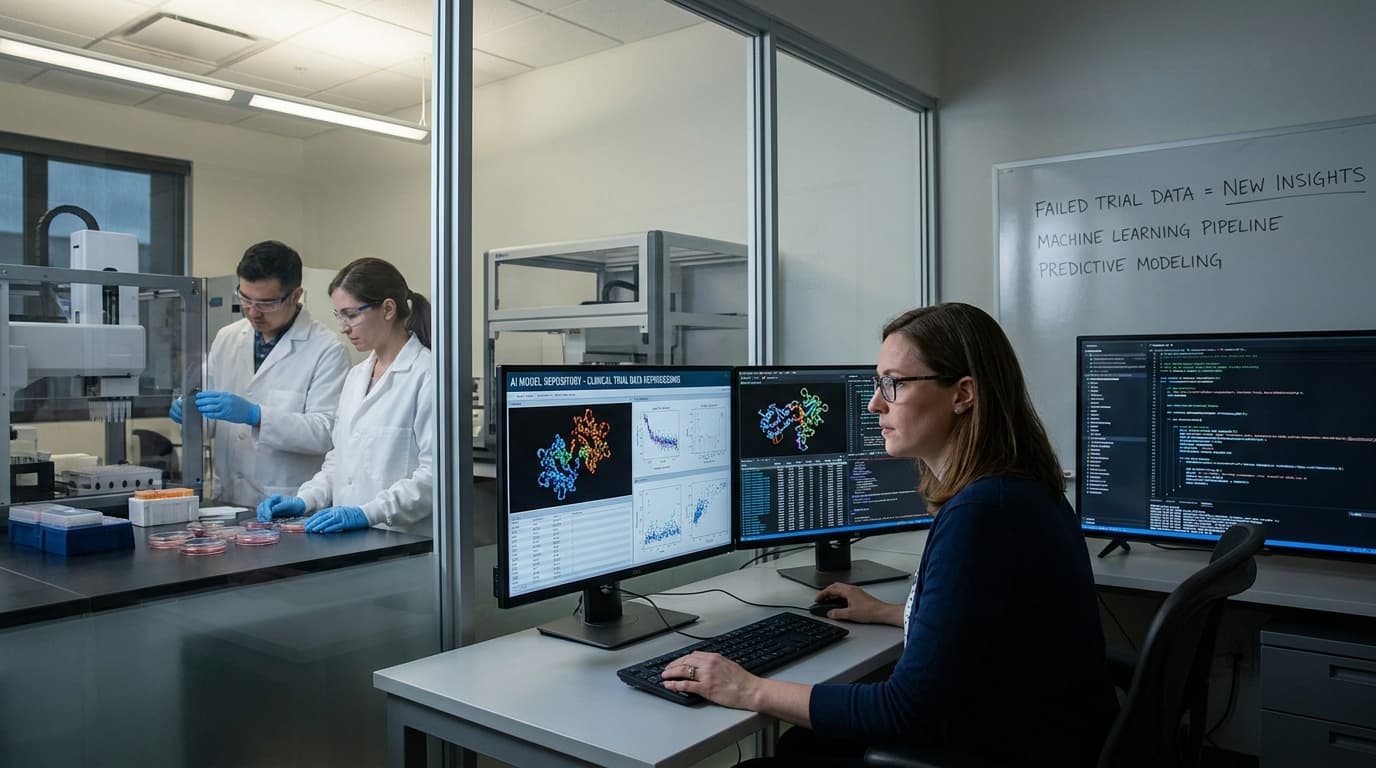
In a climate where failed clinical trials often signal major financial and reputational losses, a biotech company is flipping the narrative—transforming negative trial data into valuable resources for artificial intelligence modeling. This approach exemplifies the increasing integration of AI within health tech and its ongoing potential to redefine success metrics in drug discovery.
Jonathan Blake  Jun 16, 2026
Verge Labs has introduced a new artificial intelligence model that addresses patient stratification challenges in neurology clinical trials—a notoriously difficult area for drug development. This in-depth analysis explores what makes the model unique, the problems it aims to solve, and wider consequences for precision medicine, trial optimization, and pharmaceutical innovation.
Dr. Priya Nandakumar  Jun 16, 2026
With artificial intelligence now embedded across the healthcare ecosystem, Elevance Health is concentrating its AI investment on three pivotal goals: simplifying the member experience, enhancing the provider journey, and delivering critical, timely insights to employees. This comprehensive review looks at the company’s practical approach and the broader implications for digital health.
 Sophia Reynolds
 Jun 14, 2026
Amid the healthcare sector’s rapid digital transformation and AI adoption, merely achieving data interoperability across platforms is proving insufficient. Experts argue the industry now requires a standardized, trusted representation of clinical information to fully unlock AI’s promise and meaningful care delivery.
Daniel Cho  Jun 10, 2026
Automated algorithms for sepsis detection are increasingly deployed in clinical settings to support rapid intervention, but their reliability can be compromised by the quirks, biases, and time-dependent inconsistencies inherent in medical data. Evaluating why sepsis algorithms sometimes fail and what can be improved is crucial as AI continues to transform patient care and diagnostics.
Sophia Reynolds  Jun 8, 2026
Fine-tuned AI models are now being trained on real-world clinical operations data, enabling the translation of complex trial histories into actionable insights. This paradigm shift is poised to modernize the way clinical trials are designed and executed, potentially streamlining protocol creation, improving feasibility assessments, and optimizing resource utilization.
Emily Carter 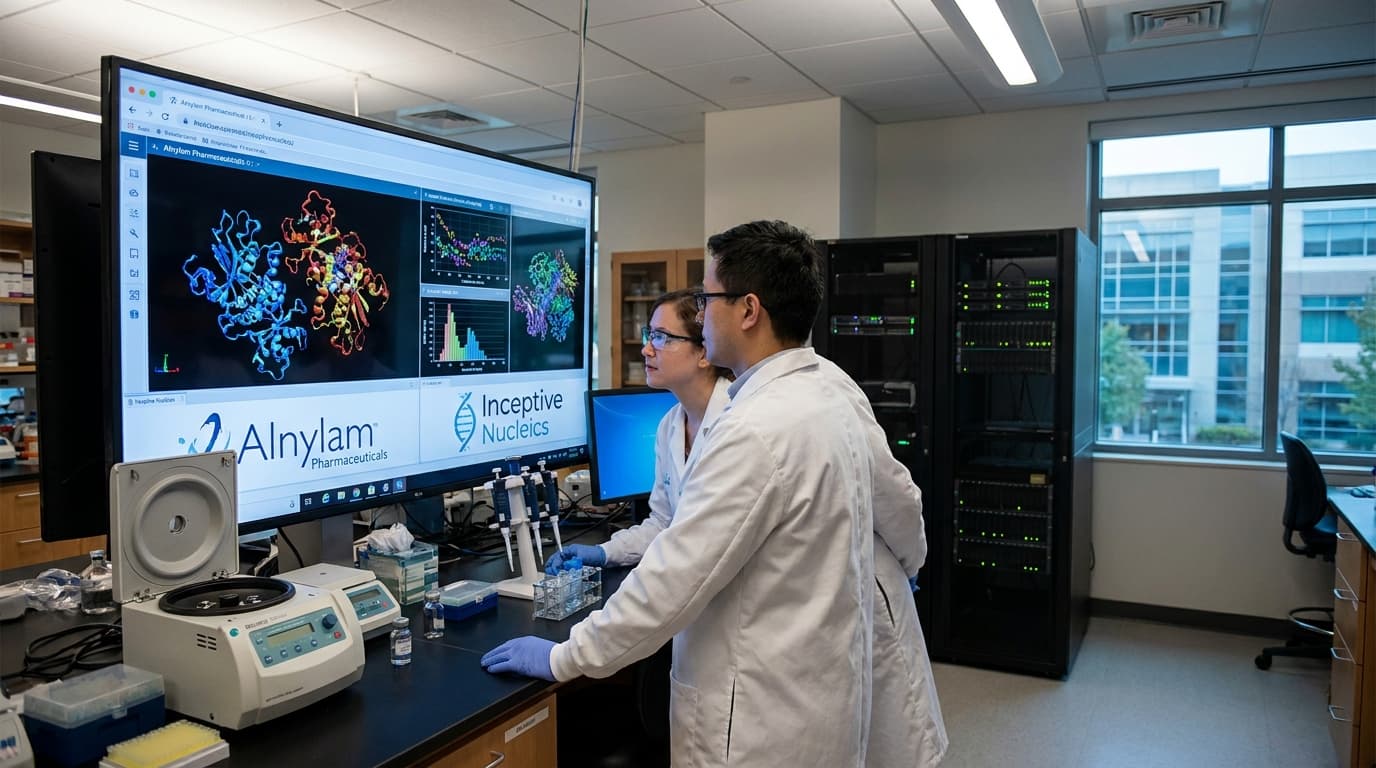 Jun 4, 2026
Alnylam Pharmaceuticals is moving decisively into AI-driven drug development through a partnership with Inceptive Nucleics. This collaboration promises to accelerate RNAi therapy creation by applying cutting-edge generative machine learning models.
Jonathan Blake 