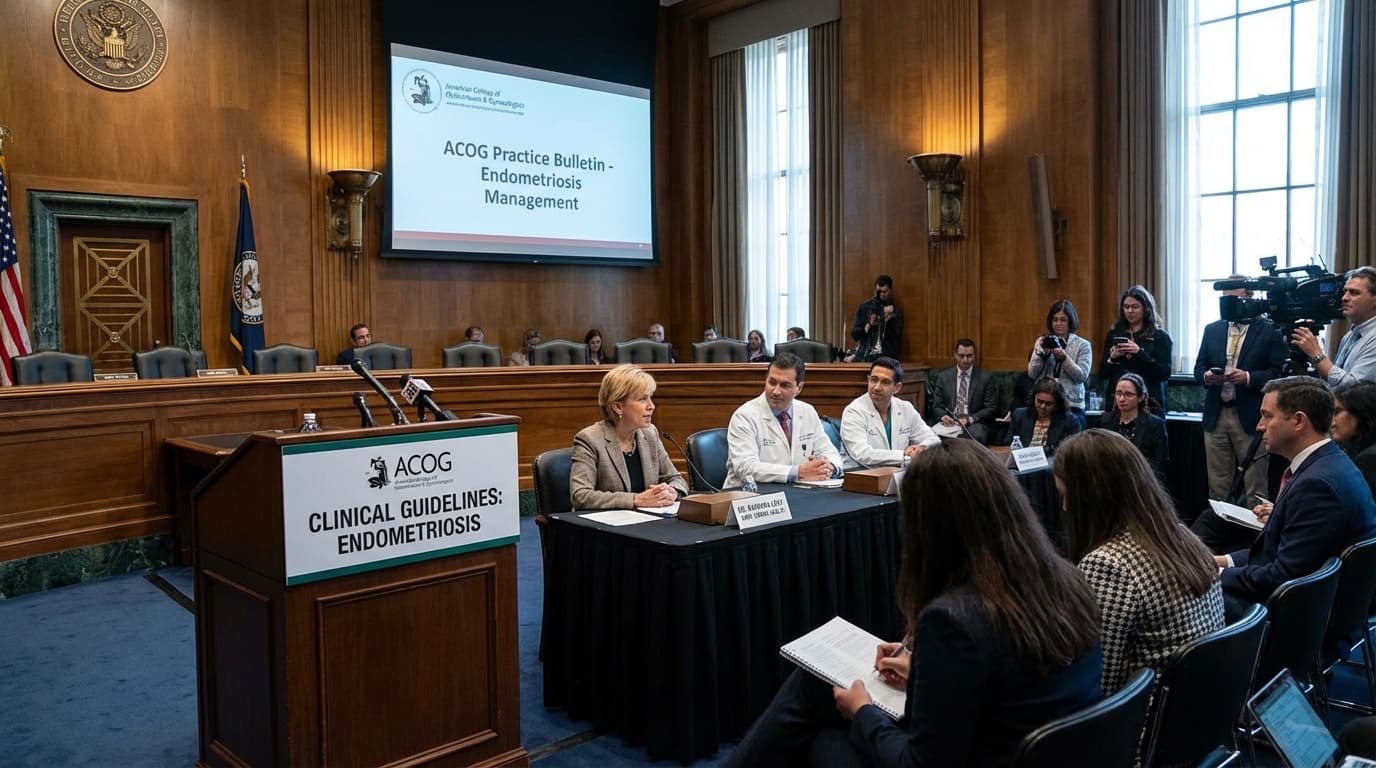
ACOG Releases New Clinical Guidelines on Endometriosis: Insights from Dr. Barbara Levy

Endometriosis presents significant diagnostic and therapeutic challenges, and ACOG’s new guidelines aim to improve patient care by standardizing approaches and integrating latest research findings. Dr. Barbara Levy discusses key updates and implications for clinicians and patients.
Endometriosis is a prevalent gynecological disorder characterized by the growth of endometrial-like tissue outside the uterus, leading to pain, infertility, and reduced quality of life for those affected. Despite its impact, the condition often suffers from delayed diagnosis and variable treatment approaches. Recognizing these challenges, the American College of Obstetricians & Gynecologists (ACOG) recently released updated clinical guidelines designed to standardize and enhance the care of patients with endometriosis.
In a recent discussion featured on MedCity FemFwd, Dr. Barbara Levy, chief medical officer of Visana Health, elaborates on the substance and significance of these new guidelines. The guidelines emphasize a patient-centric approach grounded in evidence-based medicine and multidisciplinary collaboration to address this complex condition effectively.
Key updates include recommendations for improved diagnostic strategies that reduce reliance on invasive procedures, thereby enabling earlier and more accurate identification of endometriosis. Additionally, the guidelines advocate for more personalized treatment plans that incorporate both pharmacological and non-pharmacological interventions, adapting to the severity and symptom profile unique to each patient.
Importantly, the guidelines also highlight the value of healthcare provider education and increased awareness among patients to dispel myths and reduce stigma frequently associated with endometriosis. Enhanced patient education promotes better self-management and facilitates shared decision-making between patients and their healthcare providers.
The updated clinical guidance by ACOG underscores the evolving understanding of endometriosis pathophysiology and reflects advancements in research, technology, and therapeutic options. It also aligns with broader healthcare trends favoring integrated care models that improve outcomes for chronic conditions.
From a clinical perspective, these new guidelines will likely influence treatment paradigms by advocating for earlier intervention, minimizing unnecessary surgery, and expanding options for symptom relief and fertility preservation. For patients, the changes offer hope for improved quality of life and a reduction in the physical and emotional burdens associated with endometriosis.
In conclusion, ACOG’s new clinical guidelines represent a significant step toward advancing care for endometriosis patients. As Dr. Levy emphasizes, their implementation will require concerted efforts from healthcare systems, providers, and patient communities to realize their full potential in transforming clinical practice.
Source: MedCity News
Join the BioIntel newsletter
Get curated biotech intelligence across AI, industry, innovation, investment, medtech, and policy delivered to your inbox.