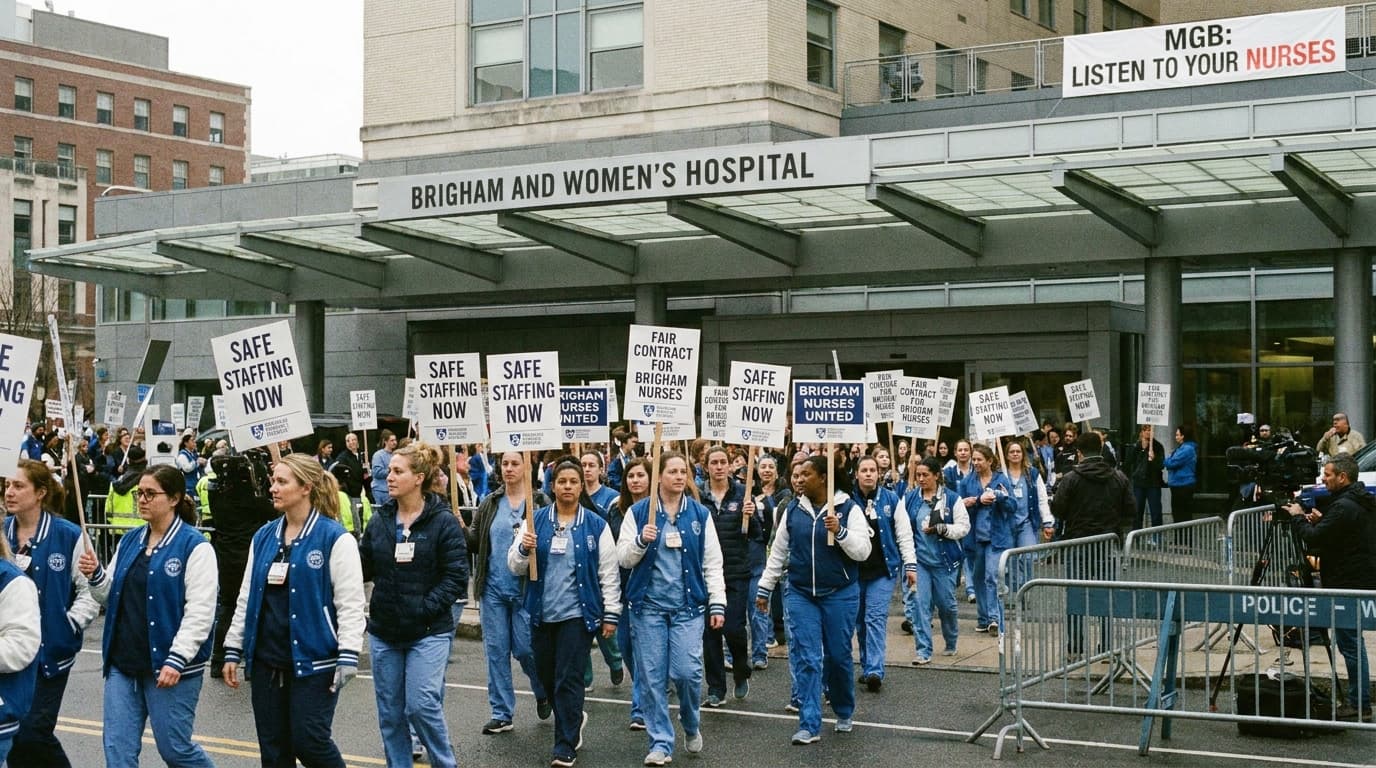
Historic Nurses' Strike Begins at Brigham and Women’s Hospital

After months of unsuccessful contract talks, nurses at Brigham and Women’s Hospital have launched a strike with wide-reaching implications—for patient care, hospital operations, and labor policy in U.S. healthcare. The dispute marks a significant moment for labor activism in medicine and spotlights broader workforce challenges.
Introduction
A major labor showdown is currently unfolding in Massachusetts, as nurses at Brigham and Women’s Hospital—one of the nation’s leading academic medical centers—have initiated a wide-scale walkout after protracted contract negotiations stalled. This event is now being called the largest nurses strike in the state’s history, reflecting deep-seated frustrations over workplace conditions, staffing levels, and compensation at a hospital that not only serves Boston but also sets standards for the region and the country.
Labor activism by nurses—from walkouts to work-to-rule campaigns—has become more visible in American healthcare over the past decade. What’s unfolding at Brigham and Women’s calls attention to the practical and policy challenges confronting both clinicians and administrators at some of the country’s best-resourced hospitals. The ultimate impact of this strike may be felt not only in Massachusetts but also nationally, as healthcare systems reckon with persistent workforce shortages and rising pressures.
Timeline and Background
The strike comes after extended, and ultimately unsuccessful, negotiations between Brigham and Women’s Hospital (part of Mass General Brigham, MGB) and its extensive nursing workforce. Contract talks reportedly spanned several months, with negotiators unable to reach agreement on multiple contentious points—including wage increases, staff-patient ratios, overtime policies, and safety standards.
Brigham and Women’s, a Harvard Medical School teaching hospital, is revered for its clinical expertise and research accomplishments. The hospital’s reputation, however, rests in large part on the labor of skilled nurses who manage complex cases, coordinate care for vast numbers of patients, and serve as hands-on leaders in both inpatient and outpatient settings.
Core Issues Behind the Strike
Several core points of disagreement led to this unprecedented action:
- Staffing Levels: Nurses have pushed for improved minimum staffing ratios to ensure patient safety and manage workload. The hospital has argued it cannot commit to rigid benchmarks that may not account for day-to-day patient acuity and operational flexibility.
- Wage Demands: Amid rising inflation and burnout, nurses are advocating for substantial pay raises. Administrators have countered with more modest proposals, raising concerns about financial sustainability.
- Working Conditions: Concerns about mandatory overtime, workplace safety (especially in high-acuity areas), and benefits are at the heart of nurses’ demands. COVID-19 has intensified calls for better protective protocols and mental health support.
- Retention and Recruitment: Amid a nationwide nursing shortage, unions warn that without improved conditions, the hospital risks losing experienced staff and facing recruitment crises.
The Scale and Uniqueness of the Action
This is not the hospital’s first labor dispute, but the size, scale, and visibility of the current strike distinguish it from past activism. Brigham and Women’s is not only a teaching hospital to generations of medical professionals but also a flagship institution within the Mass General Brigham system. The strike’s ripple effects therefore extend beyond its walls, raising alarms throughout academic medicine, policymaking bodies, and other major health employers.
Nationally, similar labor actions have occurred—such as in New York and California—but the Massachusetts case stands out both for its timing and for the hospital’s role as an academic leader. As challenges around pay, safety, and autonomy escalate, the Brigham nurses’ walkout could inspire or reinforce labor actions elsewhere, particularly at large urban hospitals and renowned research centers.
Impacts on Patient Care and Hospital Operations
Strikes always raise anxieties about patient safety and continuity of care. The hospital assured regulatory authorities and the public that contingency plans—including bringing in temporary replacement staff—were in place to maintain essential services and emergency care.
However, major disruptions to elective procedures, outpatient clinics, and routine care are likely. Patients, staff, and referring doctors must now navigate a period of operational uncertainty, with potential ramifications for patient outcomes, care delays, and hospital finances.
Policy and Labor Relations Perspectives
The Brigham strike brings to light a wider and increasingly contentious debate over labor relations in healthcare:
- Collective Bargaining in Healthcare: Nurses and other frontline staff have become more assertive in using traditional labor tools—such as strikes and the threat of mass resignations—to press for better conditions. This parallels broader trends in the U.S. economy, but also reflects specific pressures in medicine, including staff shortages, moral distress, and cost-cutting pressures.
- Public Perception: Healthcare strikes can provoke polarized reactions. Some see them as necessary correctives to management intransigence; others worry primarily about risks to vulnerable patients.
- Regulatory Oversight: State and federal agencies play a role in strike planning, particularly for hospitals receiving Medicare and Medicaid funding, to ensure that basic safety standards are maintained.
National Context: A Labor Movement in Medicine?
Several factors suggest that this strike may be a bellwether:
- Rapidly escalating burnout and workforce attrition in the wake of the COVID-19 pandemic
- Growing union membership and labor militancy among healthcare professionals
- Intensifying debates over how to value, compensate, and support skilled clinical work, particularly as healthcare systems consolidate and pursue aggressive cost controls
While this specific dispute hinges on local dynamics, it illustrates an underlying national tension between labor and management that may define U.S. healthcare for years to come.
Future Scenarios: What Comes Next?
As the strike unfolds, multiple scenarios remain possible:
- Speedy Negotiated Settlement: Both sides may quickly return to the bargaining table to hammer out an agreement that includes partial concessions.
- Prolonged Stalemate: Should talks drag on, risks mount—for patient care, reputational harm, and the financial health of the hospital.
- Escalation or Expansion: If the strike is sustained or escalates, other hospitals may see increased organizing activity, leading to wider patterns of labor activism in healthcare.
Conclusion: A Defining Labor Dispute in Academic Medicine
The nurses' strike at Brigham and Women’s Hospital is more than a local dispute—it is a highly visible test of how elite hospitals and their staff will navigate labor relations in an era of constrained resources and increased demand. With patient care, public trust, and future workforce sustainability on the line, both sides face pressure to find common ground while affirming the vital role of nurses in American healthcare.
For the country’s most prestigious hospitals and for U.S. health policy more broadly, the outcome of this strike will be closely watched—and may help shape strategies for addressing burnout, staffing, and quality of care for years to come.
For breaking updates and in-depth coverage, see STAT News.
Join the BioIntel newsletter
Get curated biotech intelligence across AI, industry, innovation, investment, medtech, and policy delivered to your inbox.