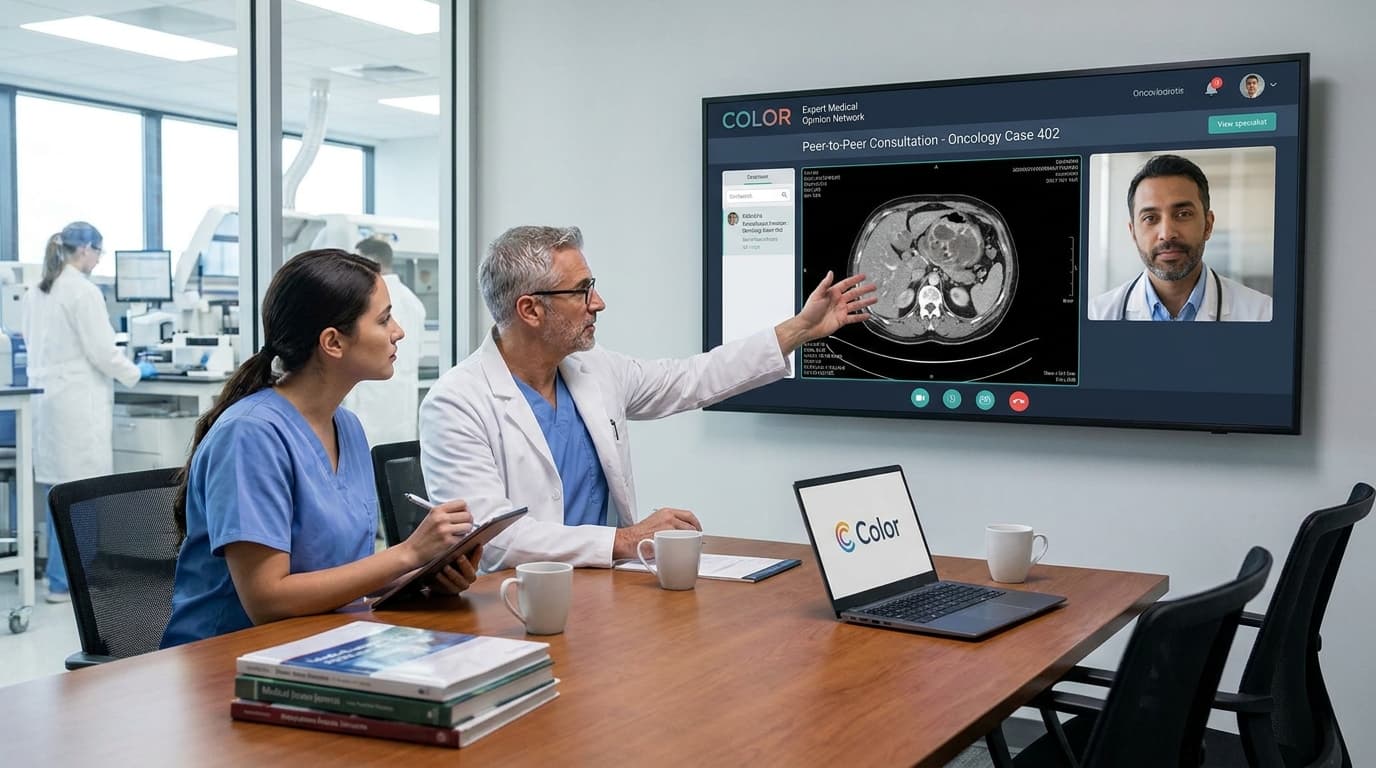
Color Expands Cancer Expert Medical Opinion Program with New Peer-to-Peer Service

In a move poised to elevate standards in oncology, Color has introduced a new peer-to-peer component to its Expert Medical Opinion program, enabling oncologists to consult directly with top cancer specialists. This innovation could signal a transformation in how complex cancer diagnoses and treatments are validated and optimized, while amplifying the role of collaborative expertise in personalized care.
Color, a company known for its continuous innovation in the biotechnology and digital health spaces, has announced a substantial expansion to its Expert Medical Opinion program. This initiative is seen as a significant advance in oncology practice, seeking to further empower physicians and subsequently improve patient outcomes. The latest development in this program centers around the launch of a new peer-to-peer service, uniquely crafted to facilitate direct connections between oncologists and recognized cancer specialists.
Elevating the Standard of Oncology Consultation
In clinical oncology, the ability to access nuanced, timely, and authoritative medical opinions can make an outsized difference in the management and prognosis of cancer patients. Traditional expert medical opinion programs have previously relied on asynchronous case reviews, panel discussions, and, occasionally, structured written feedback. However, Color's peer-to-peer platform reflects a more dynamic, interactive, and collegial approach—one that draws upon the collective expertise of the oncology community in real time.
The program essentially provides oncologists at any location, whether in major healthcare centers or community hospitals, with the opportunity to consult directly with elite cancer specialists. This model leverages digital communication technology to reduce the traditional barriers—such as geography and resource limitations—that often hinder optimal care coordination and expert input, especially for rare cancers and complex presentations.
How Color’s Platform Addresses Needs in Modern Oncology
One of the most persistent challenges facing oncologists today is keeping abreast of the rapidly evolving landscape of cancer therapies, diagnostic modalities, genomics, and evolving evidence-based guidelines. Complex cases frequently necessitate a multidisciplinary perspective, yet many clinicians, especially those in smaller institutions or isolated practice areas, lack immediate access to such a breadth of expertise.
By introducing a peer-to-peer connection service, Color is attempting to close this gap. The expanded program allows for:
- Direct, synchronous consultations: Oncology care teams can reach out and engage in real-time discussions with specialists who possess deep experience in their specific area of concern.
- Rapid case review and second opinions: In cancer care, where time is often of the essence, the ability to receive prompt feedback or recommendations on challenging cases can change the trajectory of treatment decisions.
- Network building: The service enables relationship-building not just between individual practitioners and experts, but among institutions, fostering ongoing communication and knowledge sharing that extends beyond a single case.
Implications for Personalized Patient Care
The evolution of this program underscores a broader shift toward highly individualized cancer care, where therapy regimens and diagnostic strategies are increasingly tailored to the genetic and clinical profile of each patient. Expert networks like Color's facilitate this shift by making highly specific know-how accessible, allowing treating oncologists to validate or refine personalized treatment plans with input from those at the cutting edge of research and practice.
Such services are also likely to positively impact:
- Patient confidence: Knowing their care plan has been validated by top experts can reassure patients and families, potentially improving adherence to complex regimens and satisfaction with the treatment experience.
- Community-hospital partnerships: Smaller institutions without on-site sub-specialists gain the ability to manage complex patients locally, reducing the need for costly and disruptive referrals.
- Ongoing education: Oncologists engaged in peer-to-peer consultation are exposed to diverse treatment perspectives and new research, leading to continual professional development.
Potential Challenges and Opportunities
While this innovative approach is promising, it’s not without challenges. For example, ensuring data privacy, integrating workflow with existing electronic medical records, and avoiding potential fragmentation of care due to multiple, remote inputs require careful attention. Additionally, reimbursement and institutional support for such consultations will be a key topic as hospitals evaluate the cost-benefit of such platforms.
Despite these hurdles, the upside potential is substantial. In an era where oncology is experiencing dramatic advancements—including targeted therapies, immunotherapies, and personalized genomic diagnostics—ensuring specialists remain interconnected is more important than ever. This program, by formalizing and digitizing the process, stands to enhance both the speed and the quality of collaborative medical decision-making across the cancer care continuum.
A Broader Trend Toward Digital Transformation in Healthcare
Color’s move is emblematic of a broader transformation across healthcare, where digital health solutions are being turned to for their capacity to democratize expertise, reduce systemic fragmentation, and drive efficiency. The COVID-19 pandemic accelerated the adoption of virtual care and tele-expertise, proving their viability and setting the stage for more permanent integration into routine practice.
This new peer-to-peer service, therefore, is not just a one-off innovation but part of an expanding arsenal of tools aiming to improve care variability, access, and precision across medical specialties. Oncology, with its complexity and rapidly growing evidence base, may prove an ideal proving ground for such models.
Industry and Stakeholder Response
Initial feedback from the medical community has largely been positive. Oncologists appreciate the prospect of streamlined expert input without disrupting their existing workflows, while cancer specialists note the intellectual reward and enhanced professional network that comes from structured collaboration. Patient advocacy groups have also voiced support, recognizing that expert-reviewed decision-making can translate to improved outcomes, particularly for those with less common malignancies.
Looking Ahead: The Long-Term Outlook for Peer-to-Peer Medical Opinion Platforms
As digital healthcare innovation continues to unfold, the focus will be on robust evaluations of clinical, operational, and patient-centered outcomes associated with these new models. Color’s program may set an example for other areas of medicine—such as cardiology, neurology, and rare diseases—where rapid expert input is crucial to guiding care.
Ultimately, Color’s expansion of its Expert Medical Opinion program with a peer-to-peer connection platform illustrates the momentum behind digitally enabled, collaborative, and highly personalized medicine. Whether the industry will see broad uptake depends on real-world adoption, demonstrated benefits, and the continued evolution of healthcare policy to support integrated, network-driven expertise.
Source: MedCity News
Join the BioIntel newsletter
Get curated biotech intelligence across AI, industry, innovation, investment, medtech, and policy delivered to your inbox.