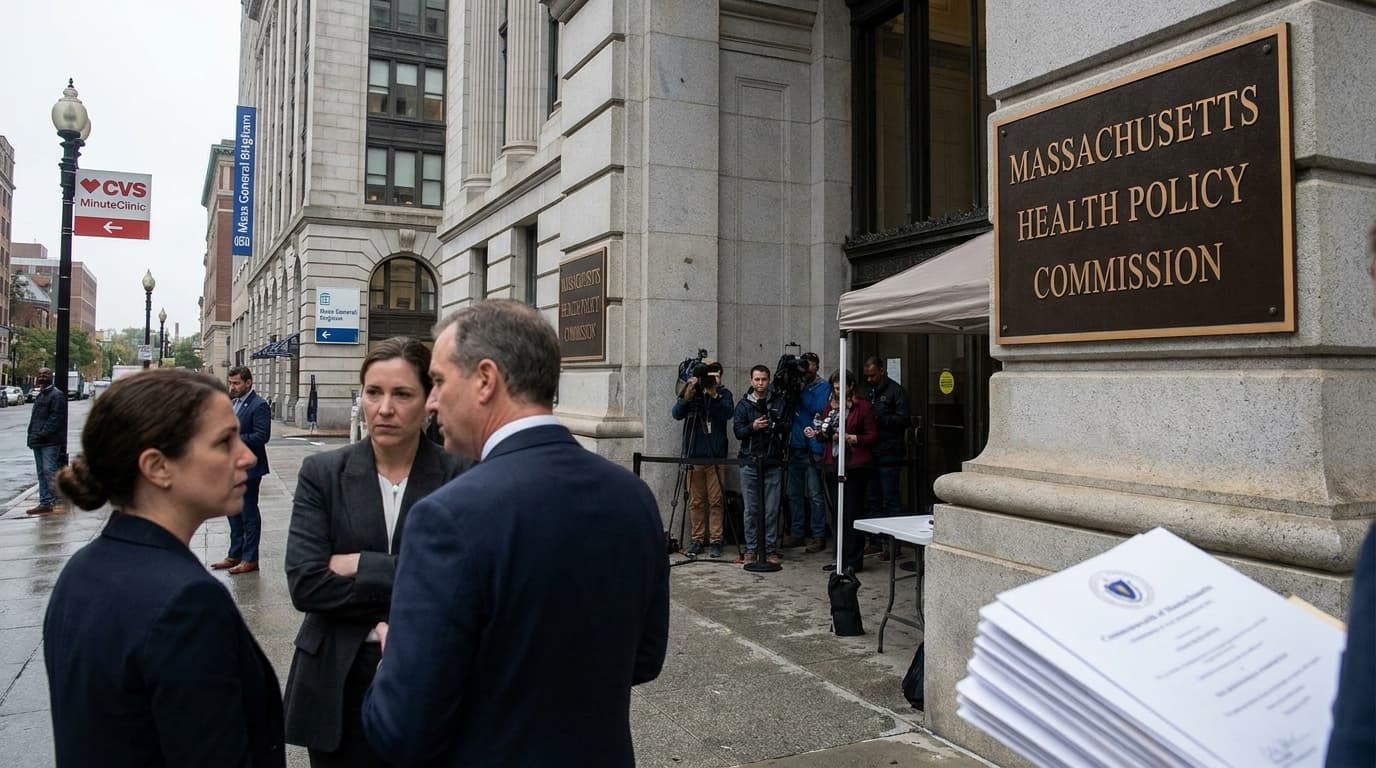
Why the CVS–Mass General Deal Would Likely Increase Spending More Than Access

A recent warning by a Massachusetts regulator highlights the likelihood that the CVS and Mass General Brigham MinuteClinic deal may lead to increased healthcare spending by at least $40 million annually. Experts caution that while the partnership could enhance convenience, it is unlikely to expand patient access meaningfully and may consolidate market power, driving costs higher.
Healthcare markets continually evolve with new partnerships and integrations intended to improve patient care and operational efficiency. In this context, the proposed MinuteClinic partnership between CVS and Mass General Brigham has garnered considerable attention from regulators, policy experts, and market watchers. A Massachusetts regulator has sounded a warning that this deal could increase healthcare spending by at least $40 million annually, primarily through patient steering into a higher-priced system.
The MinuteClinic partnership brings together CVS, a major retail pharmacy chain with an extensive clinic network, and Mass General Brigham, a prominent health system. While the collaboration aims to enhance patient convenience by leveraging CVS’ widespread locations with Mass General Brigham’s healthcare services, critics argue it risks amplifying healthcare expenses without broadening access.
Regulators express concern that the deal may enable CVS and Mass General Brigham to consolidate market power, resulting in higher prices for primary care services. By potentially directing patients towards more costly providers within the Mass General Brigham system, the partnership could dilute competitive pricing pressures that otherwise help contain costs.
Experts highlight that the expected spending increase stems from the dynamics of patient steering, provider network control, and pricing leverage. Although convenience and streamlined care pathways might improve for some patient populations, the overall impact on access could be limited, particularly for underserved communities.
This scenario underscores the complex balance between innovation in healthcare delivery and cost containment. While partnerships like CVS and Mass General Brigham’s may offer operational advantages and potentially improve care coordination, they also raise questions about market competition, affordability, and equitable access.
Furthermore, this deal reflects broader industry trends where increasingly integrated health systems and pharmacy chains seek to expand their footprints and influence. Policymakers and regulators remain vigilant in assessing how such alliances affect patient outcomes, pricing transparency, and healthcare system sustainability.
In summary, the CVS and Mass General Brigham MinuteClinic partnership exemplifies the ongoing tension between convenience-driven healthcare innovation and the imperative to maintain cost-effective, accessible care. The regulatory warning about increased spending invites close scrutiny and ongoing evaluation of the partnership’s long-term implications for the healthcare landscape.
(Source: https://medcitynews.com/2026/05/cvs-mass-general-brigham-primary-care-prices/)
Join the BioIntel newsletter
Get curated biotech intelligence across AI, industry, innovation, investment, medtech, and policy delivered to your inbox.