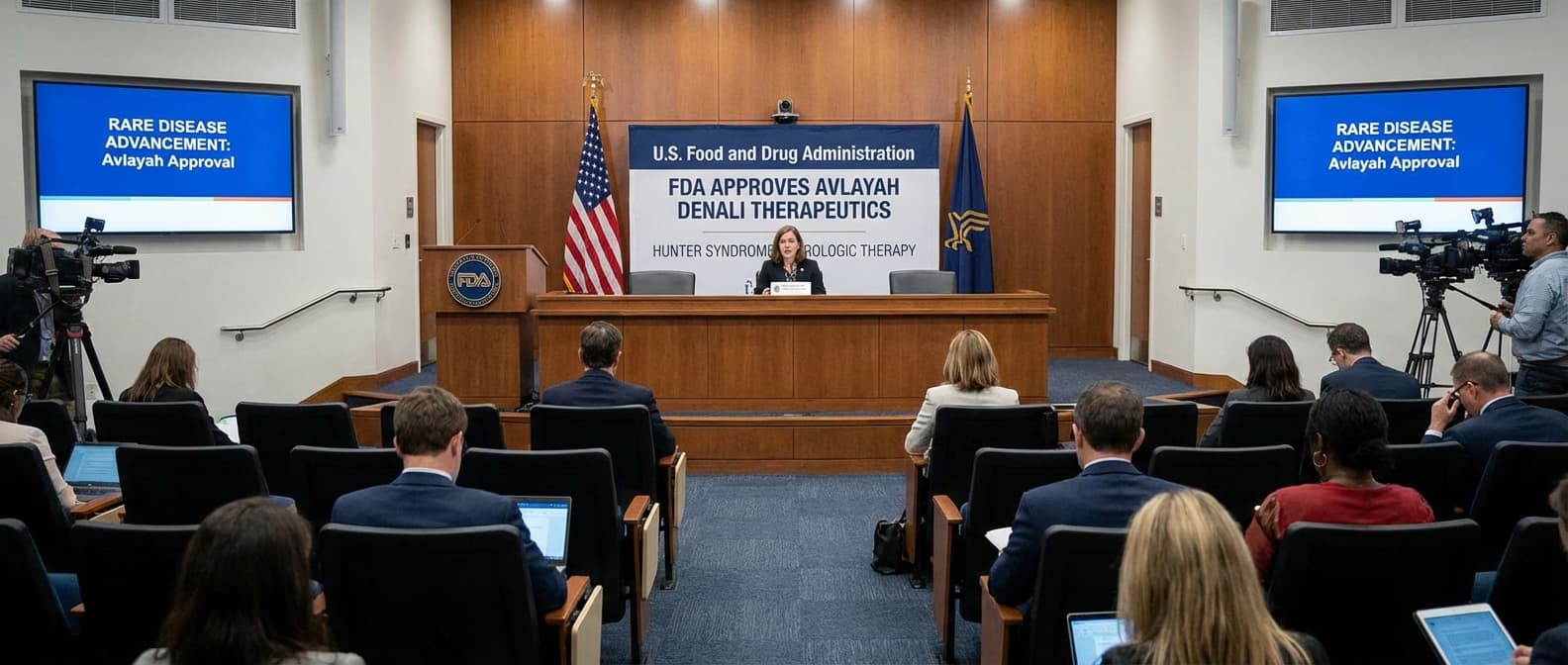
Denali Therapeutics Secures FDA Approval for First Hunter Syndrome Therapy Targeting Neurologic Complications

Denali Therapeutics’ recent FDA nod for Avlayah marks a pivotal moment in the treatment landscape of Hunter syndrome, a rare genetic disorder characterized by complex neurologic challenges. This approval underscores the FDA’s evolving approach to rare diseases and neuroscience-related conditions, offering new hope for patients and informing future drug development.
Introduction
In a significant development for the rare disease community, Denali Therapeutics has received FDA approval for Avlayah, a novel therapy designed specifically to address Hunter syndrome, also known as mucopolysaccharidosis type II (MPS II). This milestone represents the first-approved treatment that directly targets the neurological complications associated with this debilitating genetic disorder. The approval, highlighted by Tracy Beth Høeg, acting director of the Center for Drug Evaluation and Research, opens new avenues for rare disease therapeutics and exemplifies progress in addressing the complex challenges of neurologic manifestations in genetic disorders.
Understanding Hunter Syndrome and Its Challenges
Hunter syndrome is a rare, inherited lysosomal storage disorder caused by a deficiency in the enzyme iduronate-2-sulfatase. This deficiency leads to the accumulation of glycosaminoglycans, causing progressive damage to multiple organ systems, including the brain. Neurologic complications are among the most challenging aspects of Hunter syndrome, significantly affecting cognition, behavior, and quality of life. Until now, treatments have largely focused on systemic symptoms without adequately addressing central nervous system involvement.
The Significance of Avlayah’s Approval
Avlayah’s FDA nod is a welcome breakthrough in the rare disease space for several reasons:
- Targeting Neurologic Complications: Avlayah is the first therapy specifically approved to address the cognitive and neurologic aspects of Hunter syndrome, filling a critical unmet need.
- Innovative Approach: The therapy represents advancements in brain-penetrant biologics capable of crossing the blood-brain barrier, a longstanding obstacle in treating neurological diseases.
- Regulatory Milestone: This approval marks a change from previous FDA hesitance in rare neurologic diseases, signaling greater regulatory support for innovative treatments.
Clinical Trial Insights and Evidence Base
Data from Denali's clinical trials demonstrated that Avlayah positively impacted neurological outcomes in patients with Hunter syndrome. While detailed efficacy data remain proprietary, the FDA’s decision followed comprehensive evaluations of safety, tolerability, and neurologic benefit, offering optimism for patients and caregivers managing the disease’s severe cognitive decline.
Broader Implications for Rare Disease Drug Development
The approval of Avlayah has important implications beyond Hunter syndrome:
- Encouraging Pipeline Expansion: It encourages biotech companies to invest in CNS-penetrant therapies for rare diseases.
- Evolving Regulatory Frameworks: FDA’s support may expedite pathways for other rare neurologic conditions.
- Patient Impact: It potentially improves long-term outcomes and quality of life for affected individuals.
Industry and Market Considerations
Denali Therapeutics’ success may trigger investment interest and collaborations focusing on rare disease neurology. Meanwhile, payers, healthcare providers, and advocacy groups are anticipating the integration of Avlayah into treatment algorithms, balancing clinical benefit with access and cost considerations.
Future Outlook
Looking ahead, Denali’s approval prompts ongoing efforts to refine treatment paradigms for Hunter syndrome and related disorders. Ongoing studies will likely explore long-term efficacy, combination therapies, and earlier intervention possibilities. This milestone also reinforces the broader shift towards precision medicine, where targeted approaches address underlying disease mechanisms.
Conclusion
Denali Therapeutics’ FDA approval of Avlayah signifies a substantial advancement in rare disease treatment, particularly for neurologic complications in Hunter syndrome. This achievement fosters hope for patients and families while setting a precedent for future therapeutic strategies aimed at complex rare neurologic diseases. As the field moves forward, stakeholders will closely monitor real-world outcomes and continue to collaborate to enhance patient care.
For further details on the FDA’s approval and the therapeutic’s significance, refer to the original report by BioSpace: Denali Delivers ‘Welcome Positive’ for Rare Disease Space With FDA's Hunter Syndrome Nod
Join the BioIntel newsletter
Get curated biotech intelligence across AI, industry, innovation, investment, medtech, and policy delivered to your inbox.