The Drug Companies Avoiding Trump’s Tariffs — For Now

The pharmaceutical industry faces new challenges under the Trump administration's tariff policies aimed at reshaping the drug supply chain and controlling prices. This article explores the current state of tariffs, the exemptions granted, and the ongoing negotiations that could lead to changes in tariff application for branded drugmakers.
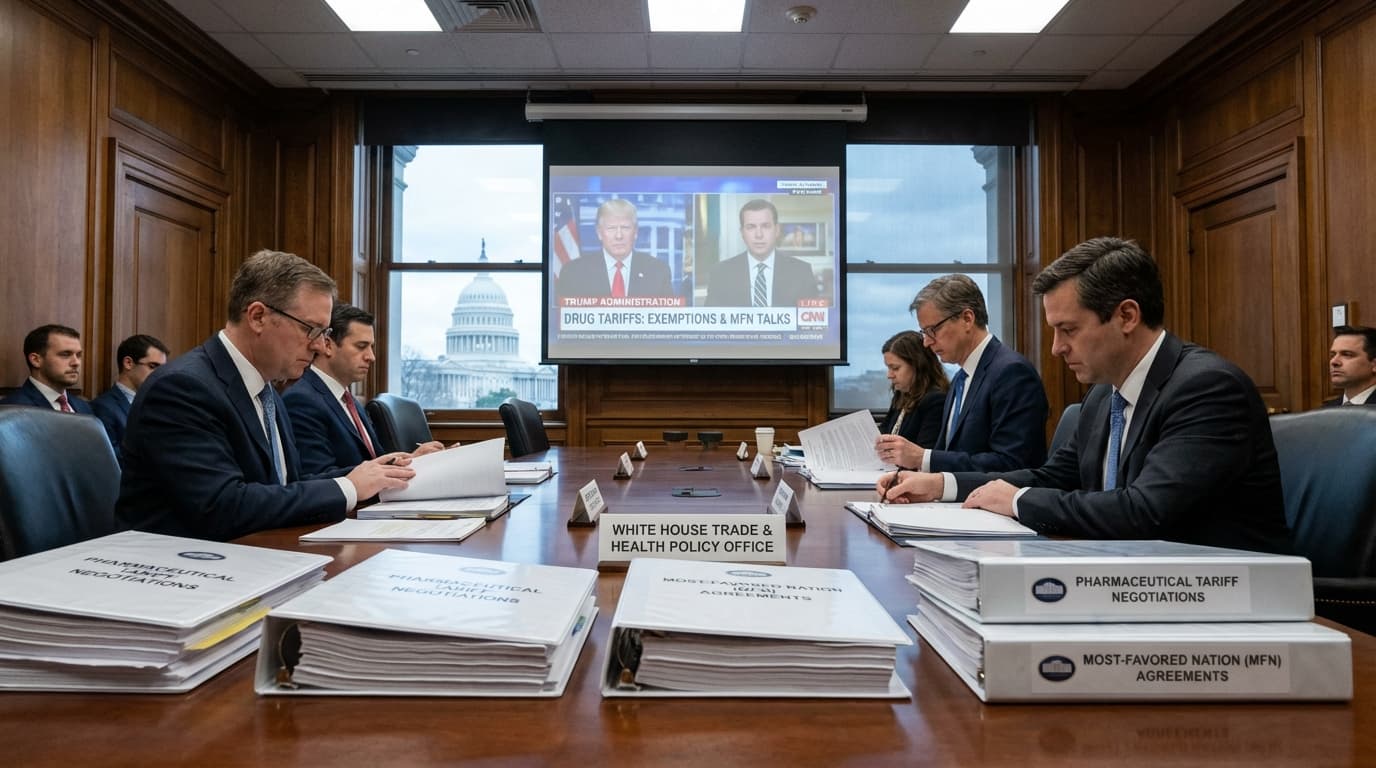
In an unprecedented policy move, the Trump administration has implemented a framework of tariffs targeting the pharmaceutical industry with the goal of encouraging domestic drug manufacturing and exerting downward pressure on drug prices. However, the application of these tariffs is nuanced and involves several carve-outs that currently mitigate the impact on many drugmakers.
Generic medicines, which represent a major portion of the drug supply and are crucial for affordable healthcare, are currently exempt from tariffs. This exemption recognizes the essential nature of generics and aims to prevent supply chain disruption for these widely used medications. Nevertheless, this exemption is not permanent. The administration reserves the right to revisit this decision depending on how negotiations evolve and supply chain dynamics change.
For branded drugmakers, the tariff situation is more complex. While the Trump administration has announced the possibility of imposing a 100% tariff on some brand-name drugs, there are reduced tariff rates presently in place for many of these companies. These reduced rates are contingent upon the progress of so-called "most-favored nation" (MFN) drug price deals. These negotiations seek to establish pricing agreements to enable equitable drug prices across nations, which if successful, could forestall the full imposition of higher tariffs.
Negotiations are ongoing between smaller biotech companies and the White House as part of these MFN deals. Smaller biotechs, which often operate with limited resources and face significant regulatory and market pressures, have been actively engaged in discussions to reach terms that could help them avoid the most severe tariff impacts. The outcome of these negotiations is critical for their future competitiveness and ability to invest in innovation.
Large pharmaceutical corporations face increasing pressure as deadlines approach for tariff compliance. Some may find themselves subject to the full 100% tariff within a short timeframe if they fail to reach favorable pricing agreements. Nonetheless, significant product categories such as orphan drugs, cell and gene therapies, and antibody-drug conjugates have been granted exemptions that substantially reduce or waive tariffs. This recognition underscores the administration's intent to balance cost control measures with support for advanced and essential therapies.
The implications for the supply chain are profound. Tariffs have the potential to reshape sourcing strategies, encourage reshoring of manufacturing facilities to the U.S., and influence research and development funding allocations. Industry response remains mixed, with some companies accelerating diversification of supply chains while others challenge the policy's long-term sustainability and impact on drug affordability.
As the policy environment remains fluid, stakeholders must closely monitor developments in tariff application, pricing negotiations, and regulatory adjustments. The evolving landscape reflects broader tensions between trade policies, healthcare economics, and the imperative to innovate within an increasingly global pharmaceutical marketplace.
For more detailed insights into the tariff arrangements and the pharmaceutical response, visit MedCity News.
Join the BioIntel newsletter
Get curated biotech intelligence across AI, industry, innovation, investment, medtech, and policy delivered to your inbox.