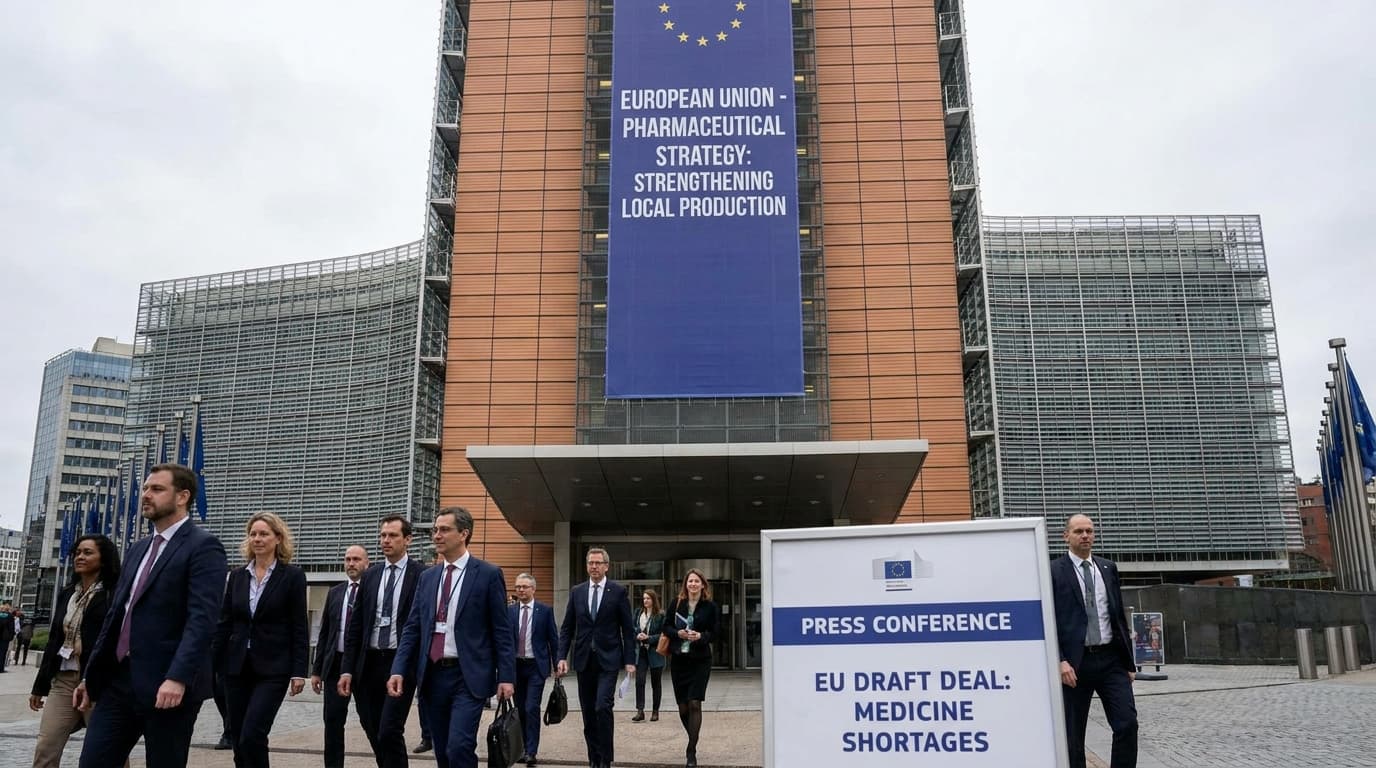
European Union Draft Deal to Boost Local Medicine Production Addresses Critical Drug Shortages

In response to persistent drug shortages and supply chain vulnerabilities, the European Union (E.U.) has agreed to a draft deal designed to bolster local production of essential medicines. This strategic initiative is intended to reduce reliance on global imports, thus enhancing the resilience and security of pharmaceutical supplies for member states. This article explores the context, mechanisms, and potential impacts of the E.U.'s policy framework on medicine availability and industry dynamics.
The European Union's recent provisional deal marks a significant policy effort directed at remedying the recurring issue of medicine shortages that have plagued numerous member countries over recent years. These shortages have been attributed to multiple factors including global supply chain disruptions, manufacturing bottlenecks, and overreliance on external producers, especially in critical drug categories.
Background and Rationale
Shortages of essential medicines pose a profound challenge to public health systems by compromising patient care and increasing healthcare costs. Recognizing this risk, the E.U. has committed to enhancing its pharmaceutical ecosystem through local production incentives and regulatory adjustments that aim to sustainably secure drug supplies.
Key Measures Under the Draft Deal
The deal proposes to increase domestic manufacturing capacities across member states, fostering innovation and investment in the pharmaceutical sector within the E.U. borders. This includes support for small and medium-sized enterprises (SMEs) as well as large manufacturers to develop robust production infrastructures capable of meeting the demand for essential medicines.
Additionally, the framework advocates reducing dependency on third countries that currently supply a significant portion of active pharmaceutical ingredients and finished drugs. By diversifying and localizing production, the E.U. seeks to mitigate risks arising from political tensions, trade restrictions, or health crises that can disrupt global supply chains.
Expected Outcomes and Industry Response
If fully implemented, the deal is expected to enhance medicine availability, reduce instances of drug shortages, and improve patient outcomes across the union. However, the transition towards more localized production will demand substantial capital, technology upgrades, and strategic realignments by pharmaceutical companies.
The policy shift aligns with increasing calls for resilient and sustainable healthcare infrastructures, fostering a pharmaceutical ecosystem that balances globalization benefits with localized security. Industry stakeholders have expressed cautious optimism, acknowledging the potential benefits while noting challenges such as increased production costs and the need for regulatory harmonization.
Broader Implications
Beyond immediate supply chain improvements, this deal could accelerate pharmaceutical innovation within Europe by promoting research and development alongside manufacturing. Furthermore, this initiative may influence global pharmaceutical trade patterns and inspire similar approaches in other regions.
In conclusion, the E.U.'s draft deal to bolster local drug production represents a proactive and strategic policy response to chronic medicine shortages. The deal's progress and operationalization will be critical to ensuring sustained access to vital medicines for millions of patients.
Source: STAT News
Join the BioIntel newsletter
Get curated biotech intelligence across AI, industry, innovation, investment, medtech, and policy delivered to your inbox.