Expanding the CJR Model Nationwide: A Logical Evolution in Value-Based Care Amid Implementation Complexities

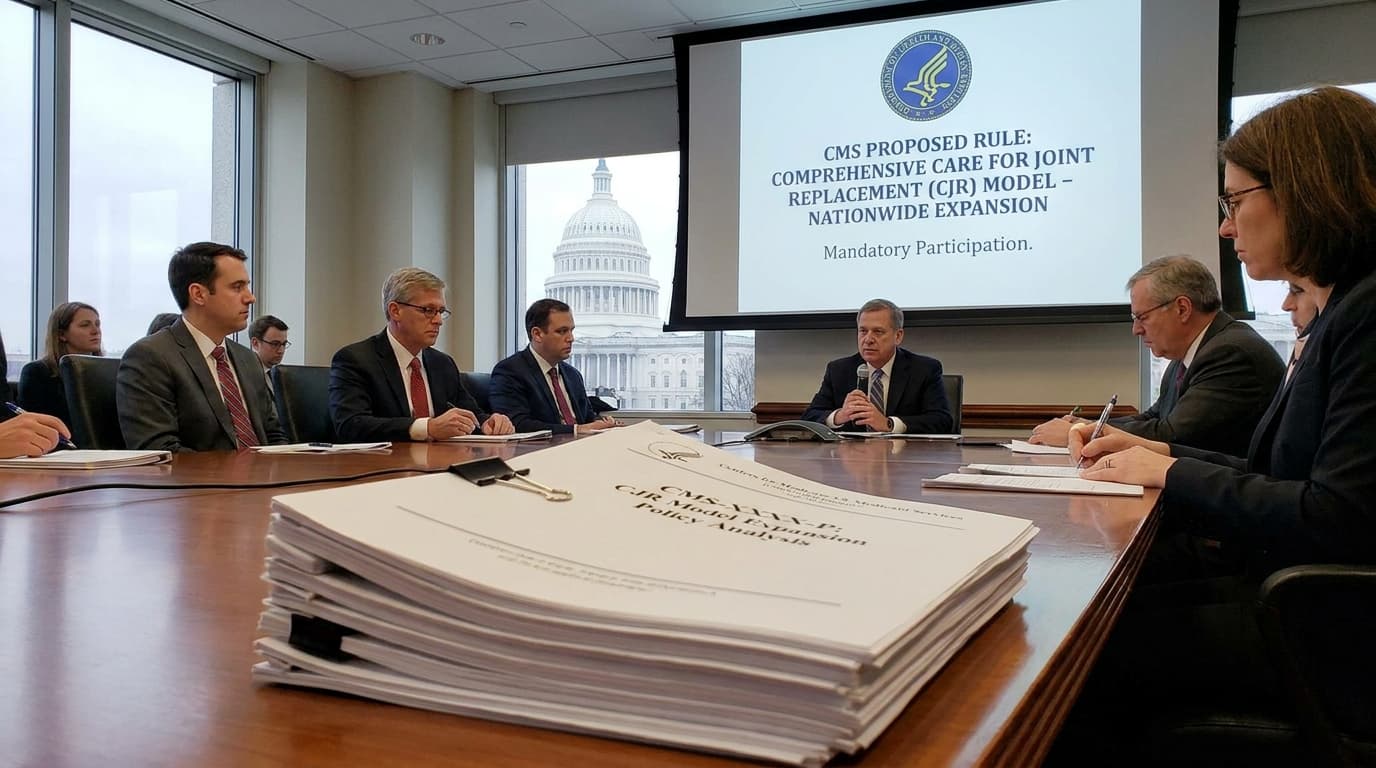
The Centers for Medicare & Medicaid Services (CMS) intends to require nationwide participation in its CJR model, signifying the federal agency's commitment to broadening value-based care (VBC) adoption. While experts acknowledge the move as a logical and strategic extension of existing payment reforms, the practical realities of hospitals adapting to mandatory bundles reveal persistent implementation hurdles that merit careful examination.
The landscape of healthcare payment systems in the United States has been undergoing transformative shifts, particularly toward models that incentivize quality over quantity. Central to this evolution is the Comprehensive Care for Joint Replacement (CJR) model, a bundled payment initiative launched by CMS that targets joint replacement procedures, offering a lump sum payment that covers the entire episode of care rather than fragmented fee-for-service payments.
In a recent development, CMS has proposed to expand the CJR model to make nationwide participation mandatory for applicable hospitals. This regulatory move marks a significant milestone in the evolution of value-based care (VBC), as it reaches beyond localized or voluntary pilot programs into a uniform national framework.
Understanding the CJR Model in Value-Based Care
The CJR model fundamentally represents a shift away from traditional reimbursement systems. Rather than hospitals and physicians receiving payment for each discrete service, bundled payments consolidate all services related to a surgical episode—including preoperative care, hospitalization, and postoperative rehabilitation—into a single payment. This approach aims to promote efficiency, improve outcomes, and reduce costs by encouraging providers to coordinate care and avoid unnecessary services.
Initial deployments of the CJR model were voluntary or geographically limited, designed to test its efficacy and refine implementation strategies. Early data suggest that bundled payments can curb excessive spending and improve patient outcomes, making it a logical strategy to extend nationwide to leverage these benefits at scale.
Challenges of Mandatory Participation
Despite the strategic rationale, mandating participation poses significant operational challenges for hospitals. Institutions vary widely in resources, infrastructure, and patient populations, affecting their readiness to navigate bundled payment systems.
One key challenge is the need for robust data and care management capabilities. Providers must track and coordinate care episodes meticulously to stay within budget while maintaining or improving quality. This requires investment in health IT systems, care coordination personnel, and analytic capabilities.
Additionally, hospitals must manage financial risk more directly under mandatory bundles. While voluntary programs allow participants to opt out if results are unfavorable, mandatory participation forces hospitals to assume risk regardless, which can be especially burdensome for safety-net hospitals or those serving complex patient populations.
Another consideration is the variability in patient needs and social determinants of health, which bundled payments may not fully account for, potentially leading to penalization of providers who care for higher-risk patients.
Implications for the Healthcare Industry
CMS's nationwide rollout of the CJR model signals a firmer commitment to VBC as the cornerstone of healthcare reform. For healthcare organizations, this means accelerating investments in integrated care delivery, embracing data-driven performance monitoring, and cultivating partnerships across care settings.
Providers that adapt successfully may reap benefits beyond reimbursement improvements, including enhanced care quality and patient satisfaction. However, the transition period will require navigating uncertainties, aligning internal processes with new payment paradigms, and advocating for policy adjustments that address the diverse realities faced on the front lines of care delivery.
From a broader perspective, the expansion of bundled payments reflects ongoing policy efforts to move away from fragmented healthcare spending toward sustainable, outcome-driven models. Policymakers will need to remain vigilant in assessing program impacts, addressing unintended consequences, and fostering equitable access to innovative care.
Conclusion
Expanding the CJR model nationally is a logical stride in the pursuit of value-based care goals, promising improved efficiency and patient outcomes in joint replacement services. Nonetheless, the realities of widespread implementation highlight persistent challenges related to hospital readiness, financial risk, and patient diversity. Careful monitoring, responsive policy adjustments, and collaborative stakeholder engagement will be vital to realizing the full potential of this transformative initiative.
Source
CMS Proposes Nationwide Mandatory Participation in CJR Model
Join the BioIntel newsletter
Get curated biotech intelligence across AI, industry, innovation, investment, medtech, and policy delivered to your inbox.