FDA Accepts BridgeBio’s Limb-Girdle Muscular Dystrophy Drug Application, Marking a Key Milestone

BridgeBio’s BBP-418 application acceptance by the FDA illustrates a significant development in the treatment landscape for rare neuromuscular diseases. This regulatory milestone could advance therapeutic options for patients with limb-girdle muscular dystrophy and highlights growing momentum in muscular dystrophy research.
Introduction
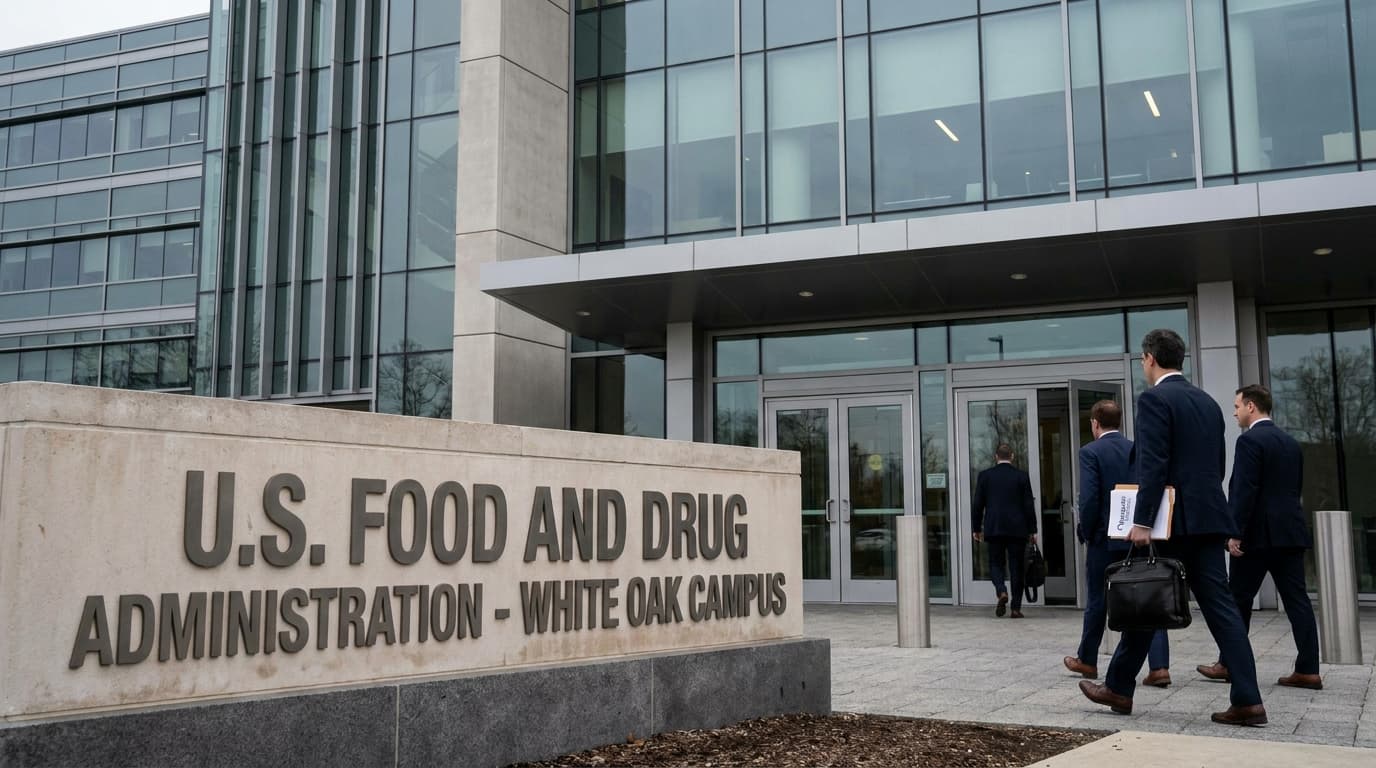
The U.S. Food and Drug Administration (FDA) recently accepted the new drug application (NDA) submitted by BridgeBio Pharma for BBP-418, a potential first-in-class therapy to treat limb-girdle muscular dystrophy (LGMD). This acceptance is under the FDA’s priority review designation, reflecting the agency’s acknowledgement of BBP-418’s potential to address a serious unmet medical need. This regulatory step is a substantial milestone not only for BridgeBio but also within the broader landscape of muscular dystrophy therapeutics.
Understanding Limb-Girdle Muscular Dystrophy
Limb-girdle muscular dystrophy represents a group of rare genetic disorders characterized by progressive weakness and wasting of the muscles around the hips and shoulders. It can significantly impair mobility and quality of life. Despite ongoing research, there are no approved therapies explicitly targeting this disease, underscoring the high unmet medical need for effective treatments.
BridgeBio’s BBP-418 and Its Strategic Significance
BridgeBio’s submission and FDA’s acceptance of BBP-418’s NDA marks a pivotal moment aimed at diversifying the company's commercial portfolio. The BBP-418 compound is positioned as a promising candidate to be the first approved treatment for LGMD, potentially offering patients a novel therapeutic option where none currently exist.
William Blair, an influential equity research firm, previously referred to BridgeBio's approach as a move toward a “diversified commercial portfolio,” emphasizing the breadth of the company’s pipeline. The acceptance of BBP-418 for priority review adds momentum to ongoing muscular dystrophy research efforts which have been gaining rapid traction in recent years.
Regulatory Path and Priority Review
Priority review by the FDA is granted to drugs that may provide significant improvements in the treatment, diagnosis, or prevention of serious conditions. Normally, the FDA scales the review period to six months under priority status, compared to the standard ten months. This accelerates time to market, which is vital for patients awaiting new therapeutic options.
The FDA’s willingness to expedite BBP-418 indicates recognition of its importance and the potential for meaningful clinical benefits. It also places BridgeBio in a favorable position to potentially become a leader in the muscular dystrophy therapeutic space if the drug gains approval.
Broader Implications for Muscular Dystrophy Research
The development and regulatory progress of BBP-418 come amid a growing landscape of treatment innovation in muscular dystrophy. Several research groups and biopharmaceutical companies have amplified their focus on genetic neuromuscular disorders. Advances in gene therapy, enzyme replacement therapies, and small molecule approaches have created a more hopeful outlook for patients suffering from various forms of muscular dystrophy.
Having a potential first-to-market drug for LGMD could catalyze further investment and innovation in this field. Additionally, it may prompt improvements in diagnostic capabilities and increased awareness of rare neuromuscular diseases.
Challenges and Future Considerations
While the acceptance of the NDA is a favorable development, final approval nevertheless depends on the outcomes of the FDA’s review, further data analysis, and post-marketing studies. Challenges such as demonstrating long-term safety and efficacy, manufacturing scale-up, and reimbursement issues will need to be addressed moving forward.
Moreover, stakeholders will be monitoring how BridgeBio manages commercial strategies, particularly since the patient population for LGMD is relatively small compared to more common conditions. Ensuring broad access while maintaining sustainable business operations will be crucial.
Conclusion
The FDA’s priority review acceptance of BridgeBio’s BBP-418 NDA represents a significant regulatory and scientific advancement for limb-girdle muscular dystrophy treatment options. This marks a promising step toward addressing a critical unmet need in a rare disease community. It also exemplifies the rapid momentum muscular dystrophy research is gaining, with implications for the biotech industry, investors, clinicians, and patients alike.
As the FDA review progresses, the biotech ecosystem will closely watch this development for insights on the future direction of treatments for rare neuromuscular diseases.
Source: FDA accepts BridgeBio’s application for potential first limb-girdle muscular dystrophy drug
Join the BioIntel newsletter
Get curated biotech intelligence across AI, industry, innovation, investment, medtech, and policy delivered to your inbox.