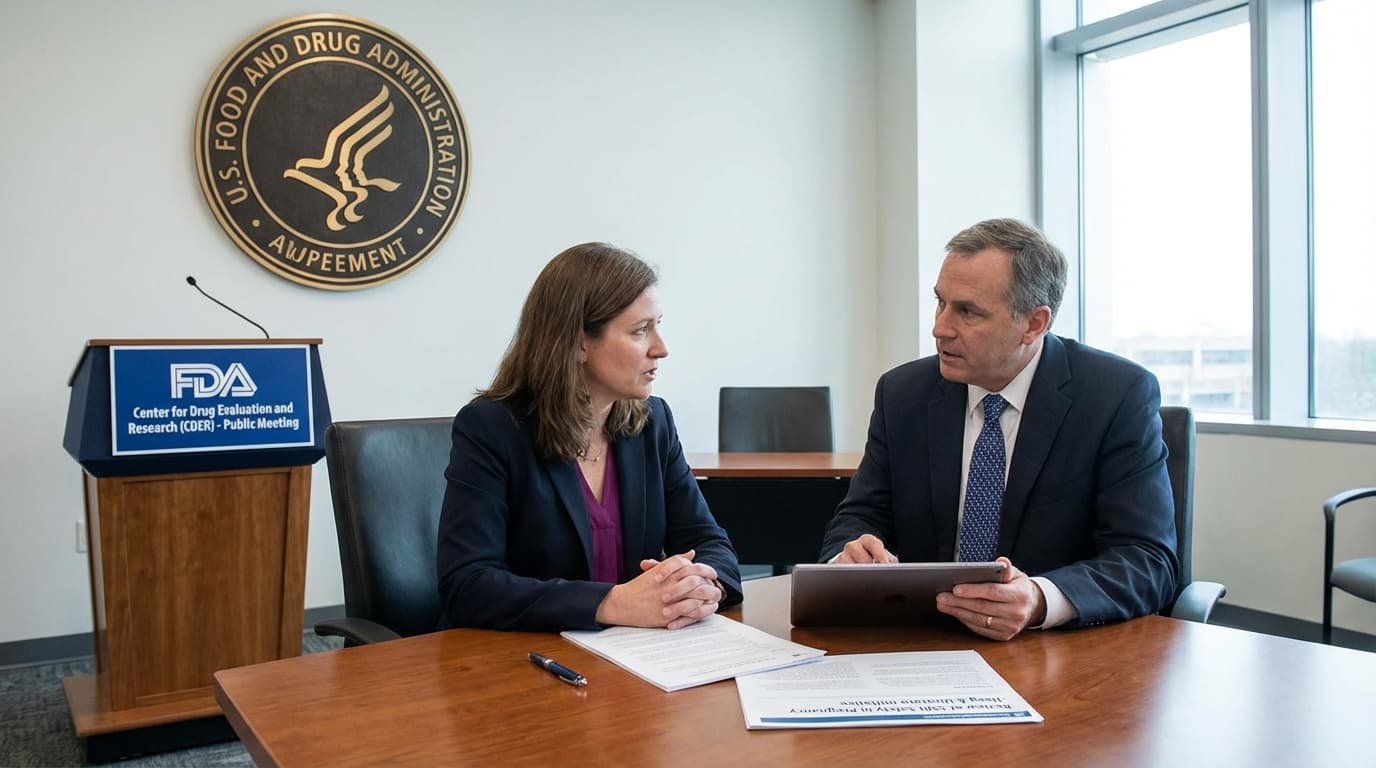
FDA’s Acting CDER Director Tracy Beth Høeg’s Recruitment Efforts Spotlight Antidepressant Skepticism

Tracy Beth Høeg, currently acting director of FDA’s Center for Drug Evaluation and Research, is seeking to hire Adam Urato, a vaccine advisor to the CDC known for his skepticism of antidepressant use during pregnancy. This recruitment highlights ongoing debates and perspectives influencing FDA policy and drug evaluation.
The Food and Drug Administration (FDA) continues to be at the center of regulatory and policy evolution in the pharmaceutical sector, particularly under the leadership of its acting Center for Drug Evaluation and Research (CDER) director, Tracy Beth Høeg. Recent reports reveal that Høeg is reportedly attempting to hire Adam Urato, a known vaccine advisor to the Centers for Disease Control and Prevention (CDC) and a friend who shares her skeptical stance on the use of selective serotonin reuptake inhibitors (SSRIs) during pregnancy. This development merits close examination within the broader context of regulatory practices, pharmaceutical oversight, and the ongoing debates surrounding antidepressant safety.
SSRIs have been widely prescribed as a frontline treatment for depression and anxiety disorders, including among pregnant women, due to their efficacy and relative safety profile demonstrated in numerous clinical trials over past decades. However, the use of SSRIs during pregnancy has been a contentious issue owing to concerns about potential risks to fetal development, including associations with birth defects, neonatal adaptation syndrome, and longer-term neurodevelopmental outcomes. The skepticism voiced by figures such as Høeg and Urato could signal a regulatory shift that may impact guidelines for prescribing these medications and influence drug labeling requirements.
This recruitment points toward an FDA leadership perspective that may prioritize more conservative views of perinatal drug exposure. With Urato's background as a CDC vaccine advisor, his expertise and regulatory philosophy could reinforce rigorous scrutiny of drug safety data, especially where vulnerable populations like pregnant women are concerned. Such perspectives could translate to enhanced post-market surveillance or stricter clinical trial requirements for psychoactive drugs used in pregnancy.
In addition to implications for antidepressant regulatory policy, this hiring effort reflects the dynamics of influence within the FDA’s leadership teams. The agency’s decisions directly affect drug development timelines, patient access to medications, and ultimately public health outcomes. Initiatives geared toward hiring trusted personnel who share aligned views among leadership underscore the FDA’s strategic directions and its potential regulatory posture in critical therapeutic areas.
Stakeholders across the pharmaceutical industry, patient advocacy groups, and medical communities are likely to watch these developments closely. Shifts in opinion among influential regulators could trigger changes in drug labeling, prescribing habits, insurance coverage policies, and clinical trial designs, thereby impacting pharmaceutical innovation and patient care standards.
Transparency in the hiring process and clear communication about the rationale behind policy changes will be essential to maintaining trust among healthcare providers, patients, and industry partners. The balance between ensuring drug safety and facilitating timely access to effective therapies remains a perennial challenge for regulatory agencies worldwide.
In summary, the reported attempt by FDA acting CDER director Tracy Beth Høeg to recruit Adam Urato, who shares her skepticism regarding the use of SSRIs during pregnancy, highlights evolving regulatory perspectives impacting antidepressant use and drug safety evaluation. This case exemplifies the intersection between regulatory leadership, scientific evidence assessment, and the strategic directions shaping drug development and public health policies in the United States.
For further information, see the original report here.
Join the BioIntel newsletter
Get curated biotech intelligence across AI, industry, innovation, investment, medtech, and policy delivered to your inbox.