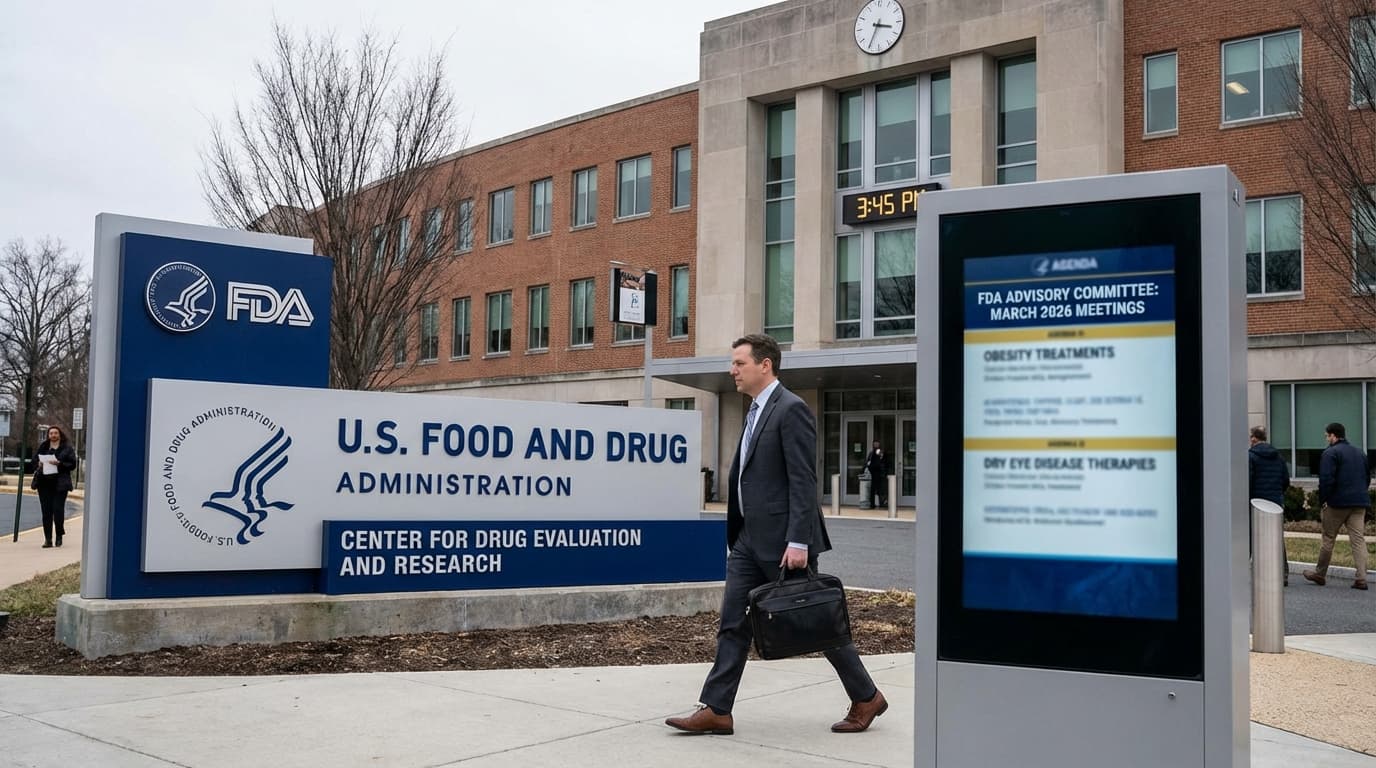
FDA Action Alert Highlights Key Delays for Obesity and Dry Eye Disease Treatments

This month, stakeholders in the pharmaceutical and medical communities are focusing on the Food and Drug Administration's (FDA) pending decisions, which were delayed from 2025. These delays affect potential therapies addressing a rare form of obesity and dry eye disease, signaling complexities involved in regulatory evaluations for these conditions.
The FDA is currently reviewing two critical applications that had been delayed from the previous year, involving treatments for a rare form of obesity and dry eye disease. These delays, reported as of March 2026, continue to highlight the regulatory challenges pharmaceutical companies face when seeking approvals for innovative or niche therapeutics.
The rare obesity form in question represents a significant unmet medical need; treatments addressing this condition could provide new options for patients who have limited alternatives. Meanwhile, dry eye disease—affecting millions globally—has been a challenging target for new drug approvals due to its multifactorial nature and variable patient responses.
Regulatory reviews by the FDA are complex processes that involve extensive evaluation of clinical trial data, manufacturing practices, safety profiles, and efficacy. The agency’s careful approach seeks to balance expeditious patient access with ensuring therapies meet stringent standards.
The delay in decision-making may reflect additional data requests or further analysis needed regarding these drugs’ benefit-risk profiles. Stakeholders, including patients, healthcare providers, and industry participants, keenly watch the FDA’s actions, as approvals could significantly reshape treatment landscapes.
This ongoing situation further exemplifies the FDA’s role in navigating innovation, safety, and public health priorities. As regulatory science evolves, mechanisms to expedite approvals without compromising standards remain a topic of discussion within policy circles.
For comprehensive updates and further information, visit the detailed report at BioSpace.
Join the BioIntel newsletter
Get curated biotech intelligence across AI, industry, innovation, investment, medtech, and policy delivered to your inbox.