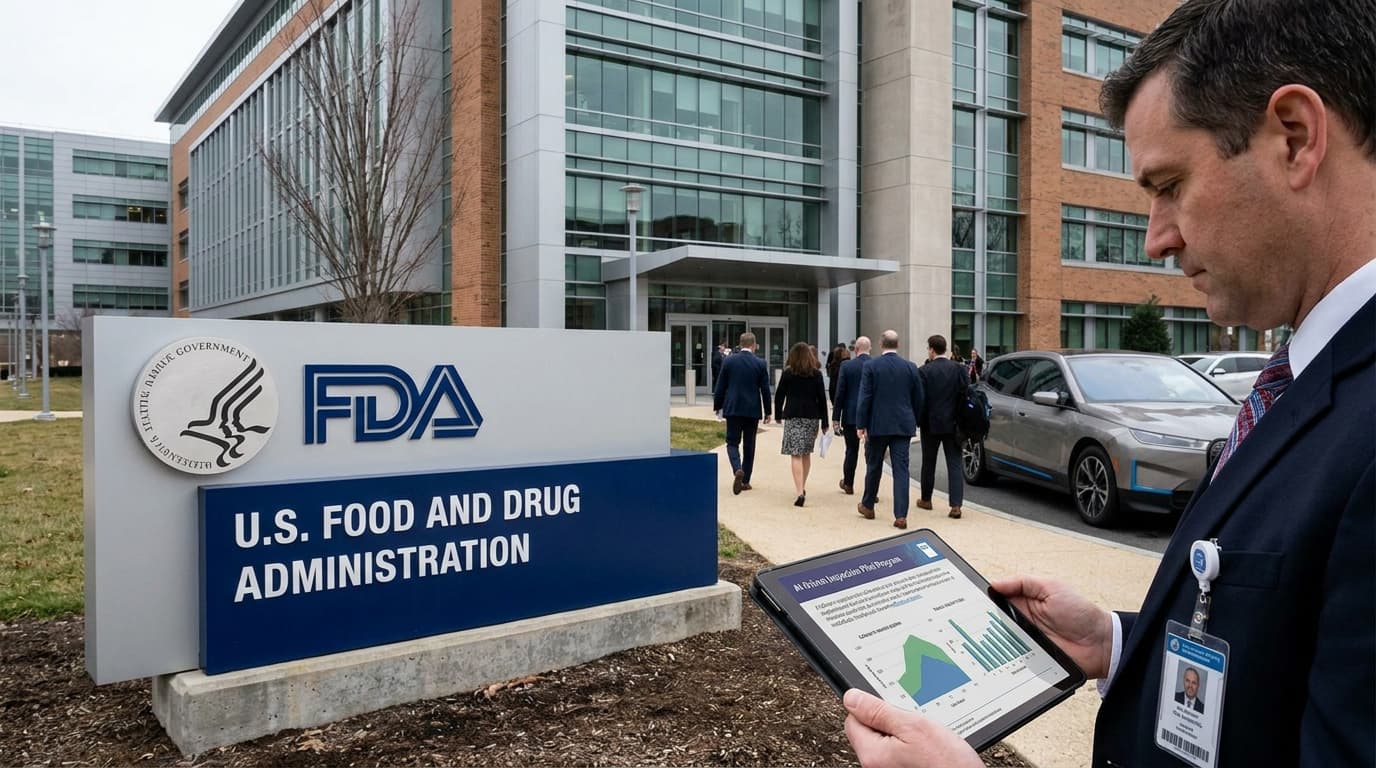
FDA Pilots AI-Driven One-Day Facility Inspections: A New Era in Regulatory Oversight

In an innovative move to enhance regulatory efficiency, the FDA is piloting AI-informed facility inspections that reduce the time of screenings to one day. This initiative promises to streamline workflows, allow better resource targeting, and potentially transform how compliance is monitored within the biotech and pharmaceutical manufacturing sectors.
The U.S. Food and Drug Administration (FDA) has embarked on a pioneering initiative designed to modernize its facility inspection process by incorporating artificial intelligence (AI) to conduct one-day inspections. This pilot program represents a significant shift in how regulatory oversight might be conducted moving forward, aiming to enhance focus, efficiency, and resource utilization.
Background and Rationale Traditional FDA inspections are comprehensive and often require multiple days, depending on the size and complexity of a facility. Given the increasing number and complexity of facilities requiring oversight in the biotech and pharmaceutical landscape, optimizing inspection workflows is a critical goal. The pilot program intends to use AI tools to better identify facility areas most pertinent to compliance risks and inspection priorities.
How the AI-Informed Inspections Work The AI technology implemented will analyze diverse data inputs such as historical inspection reports, manufacturing data, and other surveillance intelligence to guide inspectors in targeting specific issues or processes. By narrowing the scope, the FDA can efficiently conduct highly focused evaluations within a one-day timeframe. These shorter inspections are intended to complement rather than replace the standard, comprehensive audits.
Potential Impact on Regulatory Efficiency The use of AI is expected to hasten inspection processes while maintaining or improving oversight quality. Enhanced targeting means that limited inspection resources – including FDA personnel and laboratory analyses – can be better allocated to higher-risk or less compliant facilities. This could result in faster identification of critical issues and responsiveness to potential safety concerns.
Industry Implications For the biotech and pharmaceutical industries, this development signals a transition towards more technologically integrated regulatory frameworks. Companies may experience a more predictable and streamlined inspection process, potentially reducing disruption and allowing for quicker resolution of compliance issues. However, it also places a premium on the quality and transparency of data submitted to the FDA.
Challenges and Considerations Implementing AI in regulatory workflows requires rigorous validation to ensure unbiased and accurate guidance. There are also concerns about data privacy, transparency of AI decision-making, and maintaining human oversight. Stakeholders will be closely watching how the FDA balances innovation with regulatory rigor.
Conclusion The FDA’s AI-informed one-day facility inspection pilot is a noteworthy step towards modernizing regulatory practice in an increasingly complex industry environment. If successful, it could become a blueprint for integrating advanced technologies into public health regulatory systems, enhancing both safety oversight and operational efficiencies.
For more comprehensive coverage of this initiative and its broader context, visit the BioSpace article: FDA pilots AI-informed one-day facility inspections.
Join the BioIntel newsletter
Get curated biotech intelligence across AI, industry, innovation, investment, medtech, and policy delivered to your inbox.