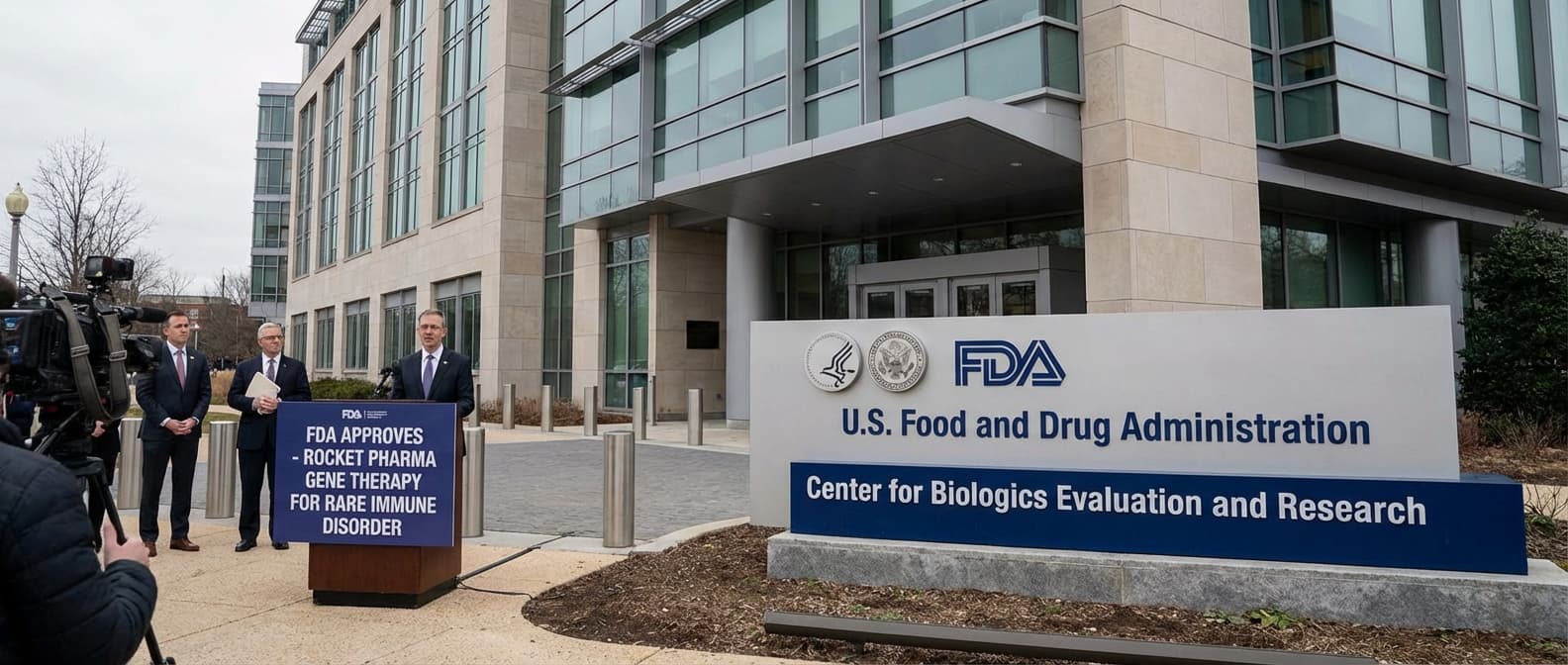
FDA Grants Approval to Rocket Pharma's Gene Therapy Kresladi for Rare Immune Disorder

Rocket Pharma's Kresladi has secured FDA approval for the treatment of a rare immune disorder despite a limited clinical trial size. This approval underscores the ongoing evolution in gene therapy approaches and the regulatory acceptance of innovative treatments in rare disease spaces. The therapy's positive results in nine patients highlight the challenges and promises of addressing ultra-rare conditions.
Introduction
The recent FDA approval of Rocket Pharma's gene therapy, Kresladi, represents a milestone in the treatment of rare immune disorders. Gene therapies have increasingly become a focal point of innovation in biotech, particularly for conditions where conventional therapies offer limited relief or none at all. Kresladi, though tested in a small patient population of merely nine individuals, has demonstrated positive outcomes, reflecting a nuanced balance between clinical efficacy and regulatory flexibility for ultra-orphan diseases.
Background on Kresladi and Rocket Pharma
Rocket Pharma has been a notable player in the gene therapy sector, focusing specifically on treatments for rare, life-threatening conditions. Kresladi is designed as a gene replacement therapy, intended to correct underlying genetic defects responsible for the immune disorder it targets. Given the rarity of such disorders, large-scale clinical trials are often impractical, necessitating alternative evidentiary approaches for regulatory approval.
Clinical Data and Trial Design
The clinical testing of Kresladi involved nine patients, a notably modest cohort reflective of both the patient scarcity and the highly specialized nature of the disorder. Despite such limits, the clinical outcomes were sufficiently compelling for the FDA to grant approval. Positive results included improvement in immune function markers and clinical symptoms, suggesting that Kresladi effectively addresses the root cause—a genetic deficiency—rather than managing outbreak symptoms alone.
Regulatory Perspectives
The FDA’s decision to approve Kresladi underscores a broader regulatory trend toward accommodating gene therapies for rare diseases, even with limited clinical trial sizes. This approach acknowledges the urgent needs of patients with few or no alternatives and the inherent challenges in recruiting large cohorts for rare disease studies. It also reflects the FDA’s commitment to fostering innovation in gene therapies, balancing risk and benefit carefully.
Broader Implications for Rare Disease Treatment
Kresladi’s approval is emblematic of a wider shift toward personalized medicine and gene-based interventions in treating previously intractable rare diseases. For patients and families affected by these conditions, such approvals offer renewed hope for effective interventions. Moreover, it sets a precedent encouraging biotech developers to continue innovating in this challenging domain.
Challenges Ahead
Despite this breakthrough, several challenges remain. The small patient number in trials brings uncertainties about long-term efficacy and safety across broader populations. Furthermore, there are questions regarding manufacturing scalability, cost, and equitable access to such advanced therapies, which often come with significant price tags.
Conclusion
Rocket Pharma’s Kresladi FDA approval stands as a critical development in the rare disease and gene therapy landscape. It highlights how regulatory agencies can adapt frameworks to address unmet medical needs in ultra-rare conditions and showcases the potential of gene therapies to transform patient outcomes. Continued monitoring and research will be essential to fully understand and maximize the benefits of this innovative treatment.
Source: STAT News
Join the BioIntel newsletter
Get curated biotech intelligence across AI, industry, innovation, investment, medtech, and policy delivered to your inbox.