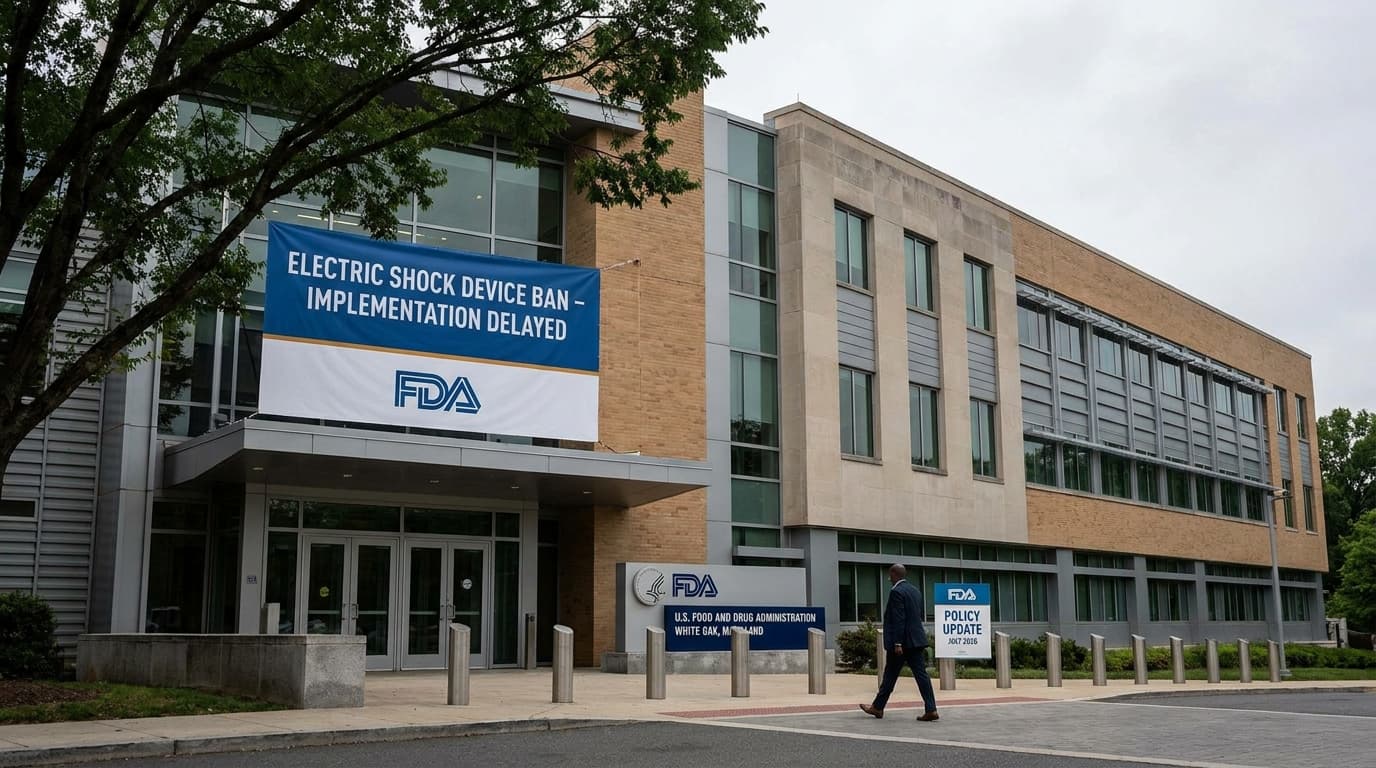
FDA Quietly Delays Implementation of Electric Shock Ban: Implications for Healthcare and Policy

In a low-profile move, the Food and Drug Administration (FDA) has pushed back the deadline to implement its ban on electric shock devices utilized to manage self-injurious and aggressive behaviors. This delay—occurring amid heightened tensions between regulatory oversight and patient rights—highlights broader challenges facing U.S. regulatory practice and behavioral healthcare.
Introduction
In a development that could have wide-reaching consequences for the intersection of medicine, ethics, and federal regulatory action, the U.S. Food and Drug Administration (FDA) has quietly chosen to delay the deadline for enforcing its ban on the use of electric shock devices for controlling self-injurious and aggressive behaviors. While not immediately a headline story, this regulatory decision comes at a time when other significant healthcare headlines—such as Massachusetts experiencing its largest nursing strike and the ongoing male loneliness epidemic—compete for attention, reflecting a complicated landscape of healthcare priorities and public awareness.
The Background: FDA's Electric Shock Ban
Electric shock devices, formally known as aversive conditioning devices, have been used in certain settings to try to curb extreme behavior in individuals with developmental and behavioral disabilities. While their use is extremely rare and deeply controversial, some facilities have, for decades, employed them under the justification of managing self-harming or violent actions—most notably in a handful of institutions dedicated to caring for individuals with profound disabilities. Critics, however, denounce the practice as a violation of patient rights, describing electric shock interventions as inhumane and out of step with modern behavioral medicine.
The FDA, after lengthy review and spurred on by advocacy from numerous patient rights groups, originally announced a ban targeting these devices. The agency’s July 2026 move to delay this ban’s implementation raises high-stakes questions over the interplay between regulatory enforcement, institutional practice, patient welfare, and federal oversight.
Details of the FDA’s Delay
The FDA’s decision to push back the ban’s deadline was not broadly publicized, adding to frustrations among advocates and opponents alike. It remains unclear how long the delay will last or what additional steps the agency may take. Such a move typically suggests unresolved legal challenges, additional stakeholder input, or new data requiring further consideration by regulatory officials. Without an immediate timeline, many institutions and patient groups are left in a state of limbo, awaiting clarity on enforcement and compliance expectations.
Stakeholder Perspectives
Advocates for the Ban
Patient advocacy organizations and professional societies specializing in disability rights have overwhelmingly supported the ban, citing decades of international research and ethical guidance condemning aversive shock therapies. They argue these interventions inflict psychological trauma and are neither medically justified nor necessary in the current era of behavioral care, where evidence-based alternatives exist.
Institutional Defenders
Some facilities and parent groups, however, contend that for a small subset of cases, all other therapies have failed, and electric shock devices remain a crucial last resort. They emphasize individual cases where, they argue, shock interventions have prevented severe harm, and voice concern that the ban could result in unintended consequences for patients with the most intractable behaviors. Such institutions have lobbied aggressively for exemptions, legal reviews, and gradual phase-out strategies.
Key Regulatory and Ethical Issues
The FDA’s actions highlight persistent challenges in balancing patient safety with institutional autonomy and family concerns. Central regulatory questions include:
- How should regulators weigh small-scale but high-severity clinical use cases against broader ethical imperatives?
- Is there a justifiable place for aversive therapies in modern behavioral medicine, or do their risks outweigh any purported benefits?
- How can rulemaking accommodate both evolving science and the lived realities of care for severely disabled individuals?
In delaying the ban, the FDA may be attempting to navigate these complex terrains, giving more time for data gathering, legal input, and perhaps the formulation of exceptions or phased implementation guidelines.
Broader Policy Context and Timing
The timing of this decision—against a backdrop of major upheavals in healthcare operations (as exemplified by the Massachusetts nursing strike) and shifting national concerns (such as the male loneliness epidemic)—speaks to the multi-dimensional crises in today’s healthcare environment. These issues pull public attention in many directions, sometimes overshadowing incremental yet crucial regulatory moves.
Historical Precedents and Future Possibilities
The controversy around electric shock devices is not new; the FDA’s ongoing efforts to ban or regulate them have been met with lawsuits, congressional lobbying, and sustained activism on both sides. Delays in regulatory implementation can often presage either further compromise, re-litigation, or, eventually, more definitive enforcement. For those following the case closely, attention now turns to the courts, upcoming FDA updates, and the efforts of advocacy groups to ensure patient protection and evidence-driven behavioral care.
Implications for Clinical Practice and Facility Operations
Healthcare providers engaged in behavioral therapies will need to remain abreast of shifting regulations and legal requirements, particularly as the FDA signals an evolving stance. Depending upon the final form and timing of the ban, facilities may face changes in operational protocols, staff training, resource allocation for alternative therapies, and increased scrutiny from accreditation or oversight bodies.
Conclusion
The FDA’s decision to quietly delay enforcement of its electric shock device ban is a reminder of the slow churn of regulatory change in U.S. health policy—especially when caught between fervent advocacy and deeply entrenched institutional practices. The unfolding situation will serve as a critical case study in how modern medicine negotiates the boundary between federal authority, patient rights, and clinical tradition. Updates from the FDA and continued advocacy and legal actions will shape the future of behavior modification interventions and their regulation in America.
For further details, refer to reporting by STAT News: FDA quietly pushes back deadline on electric shock ban.
Join the BioIntel newsletter
Get curated biotech intelligence across AI, industry, innovation, investment, medtech, and policy delivered to your inbox.