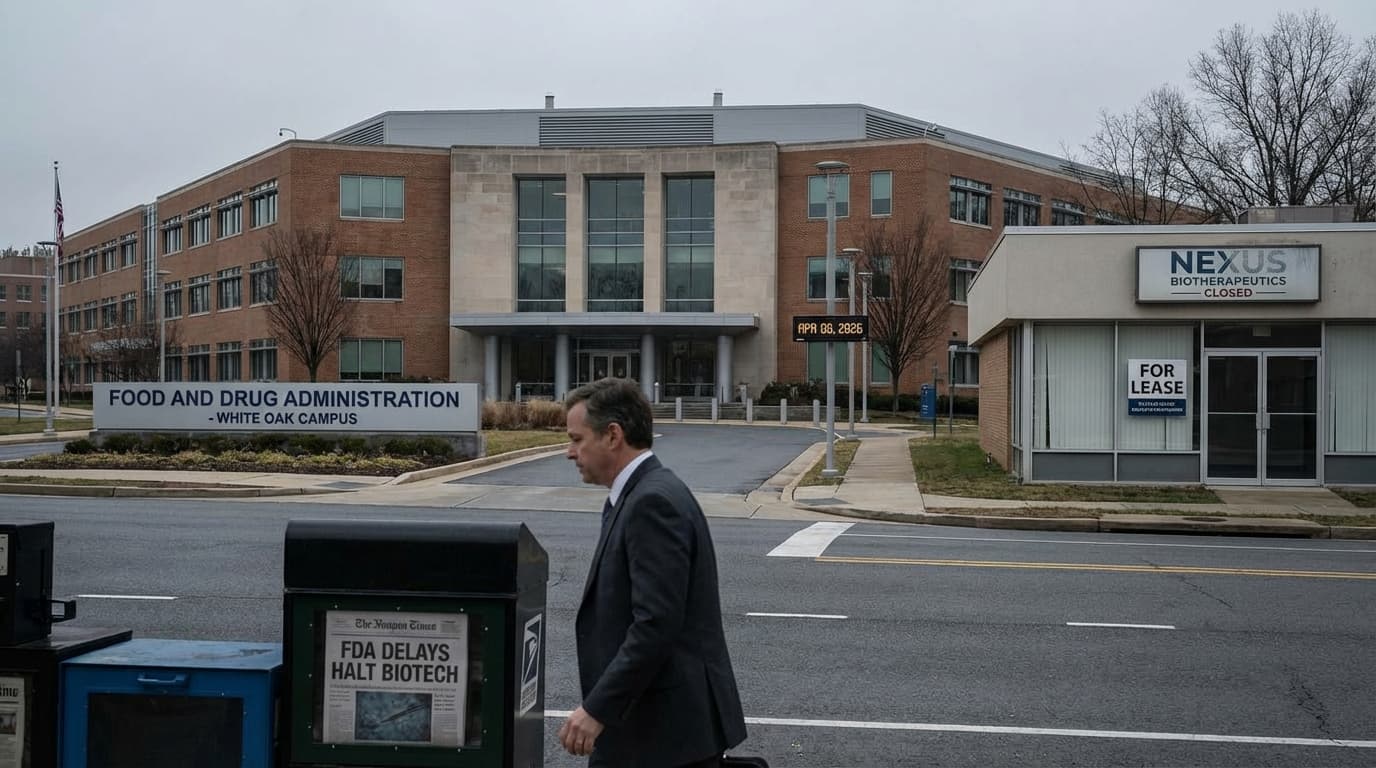
FDA Delays Prompt Closure of Small Biotech: Implications for Industry Innovation

In February 2026, a small biotech company nearing a clinical trial agreement with the FDA faced an unexpected four-month postponement that ultimately led to its closure. This incident highlights challenges that news and stakeholders in the biotech industry frequently encounter due to protracted regulatory processes.
The biotech sector is often a frontier of groundbreaking medical advances, but this progress depends heavily on timely regulatory decisions. In early 2026, a small biotech company was on the cusp of a significant breakthrough—a clinical trial plan agreed upon with the FDA. However, what should have been a milestone celebration was marred by an unexpected four-month delay in the FDA’s approval process. This delay proved critical, forcing the company to cease operations.
A close examination of this incident reveals underlying tensions between innovation urgency and regulatory scrutiny. The biotech’s clinical trial plan had been aligned with FDA expectations, but procedural slowdowns led to missed opportunities and investor uncertainty. For smaller companies, where funding and operational runway are limited, such delays can be existential threats.
The repercussions extend beyond a single company's fate. FDA delays can affect healthcare innovation pipelines broadly, influencing drug development timelines, investor confidence, and ultimately, patient access to new therapies. The current case underscores the importance of refining regulatory mechanisms to balance thorough evaluation with efficiency.
This event also raises questions about how biotech startups manage risk and navigate the regulatory landscape. It prompts a discussion on whether additional support or alternative strategies are needed to safeguard small innovators from systemic delays. Furthermore, it illustrates how regulatory policy decisions have real-world impacts on the pace of medical advancement.
In a sector propelled by rapid scientific progress, the alignment between regulators and innovators is critical. Refinements in FDA procedures, including clearer timelines and improved communication, could help mitigate such detrimental delays in the future. Industry stakeholders and policymakers may view this case as a call to action to assess existing frameworks and prioritize processes that facilitate innovation while ensuring safety and efficacy.
In summary, the forced closure of the biotech company following an FDA delay is a poignant reminder of the delicate balance required in regulatory oversight. It shines a light on systemic challenges and emphasizes the need for a regulatory environment that supports timely innovation, especially for smaller biopharma entities striving to bring transformative therapies to market.
This analysis is based on the detailed report provided by STAT News on April 6, 2026, which thoroughly documented the sequence of events leading to the company's closure and the broader implications for the biotech field. For further details, consult the original article at https://www.statnews.com/2026/04/06/fda-delay-cited-in-closure-kezar-life-sciences-biotech-startup/?utm_campaign=rss.
Join the BioIntel newsletter
Get curated biotech intelligence across AI, industry, innovation, investment, medtech, and policy delivered to your inbox.