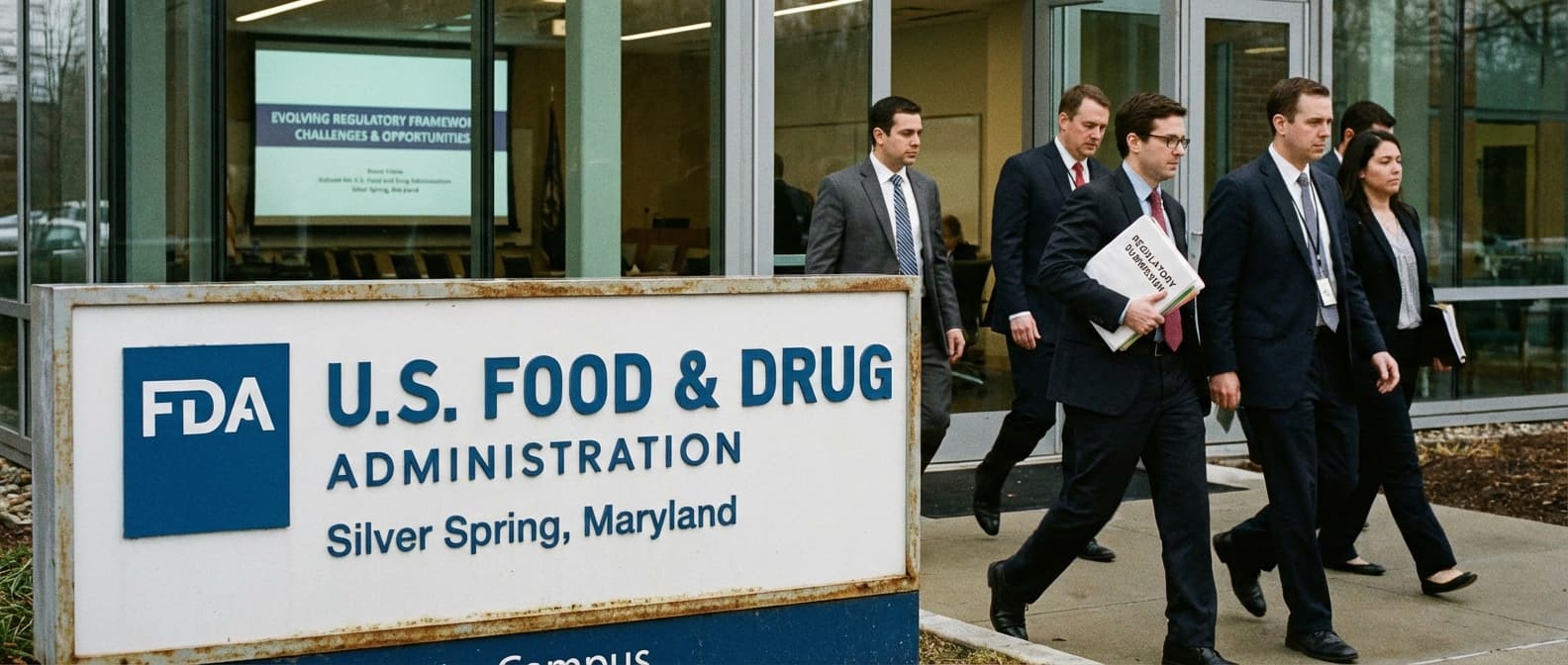
FDA Flexibility Is Not Absent But Evolving Regulations Come With Growing Pains

Recent feedback from biopharma industry leaders indicates that the FDA is exhibiting varying degrees of flexibility. While some executives commend the agency’s collaborative stance, others point to inconsistencies that highlight the growing pains in adapting regulations to foster innovation in rare disease treatments.
The U.S. Food and Drug Administration (FDA) has long been recognized as the gatekeeper for biopharmaceutical innovations, balancing the orchestration of rigorous safety standards with the imperative to bring novel therapies to patients in need. Recently, the agency's flexibility, especially in the rare disease sector, has become a subject of significant attention and debate.
Over the past year, executives from notable biotech companies such as Rezolute and CERo Therapeutics have shared insights regarding their interactions with the FDA. These industry voices describe a regulatory environment that is markedly collaborative and inquisitive, particularly with respect to novel therapies targeting rare diseases. This contrasts with past narratives that often emphasized rigidity and fixed procedural approaches.
Such a regulatory shift does not occur without its challenges. The FDA's evolving regulatory framework appears to be grappling with balancing the need for thoroughness in drug evaluation against the urgency often demanded by rare disease outcomes. The nuances of clinical trial designs, endpoints, and data requirements are undergoing transformation to better align with the unique characteristics of rare conditions. This adaptation process, naturally, encounters moments of inconsistency and ambiguity.
From a biopharmaceutical industry perspective, flexibility in regulatory processes is critical to facilitating the development of lifesaving therapies that might otherwise be stymied by conventional pathways optimized for more common diseases. Yet, the agency must ensure that leniency does not compromise safety or effectiveness standards, which remain paramount.
The growing pains noted by industry stakeholders reflect the intricate interplay between innovation and regulation. The FDA’s willingness to engage in open dialogue and demonstrate curiosity about novel mechanisms of action and unconventional trial designs is a positive sign for the future of rare disease therapeutics.
Industry observers suggest that continued improvements in regulatory clarity, enhanced communication channels, and a standardized approach towards flexible regulatory mechanisms will be essential. As the FDA refines its policies and internal frameworks, biopharma companies remain cautiously optimistic about the potential benefits of these regulatory evolutions for accelerating patient access to critical therapies.
In summary, the FDA’s regulatory flexibility is evolving rather than absent, and its ongoing adjustments exhibit the natural complexities of integrating innovation into established regulatory systems. Close collaboration between the FDA and biopharmaceutical developers will be foundational to overcoming transitional challenges and fostering an environment that supports both drug safety and rapid innovation.
For further details, visit the original article at BioSpace.
Join the BioIntel newsletter
Get curated biotech intelligence across AI, industry, innovation, investment, medtech, and policy delivered to your inbox.