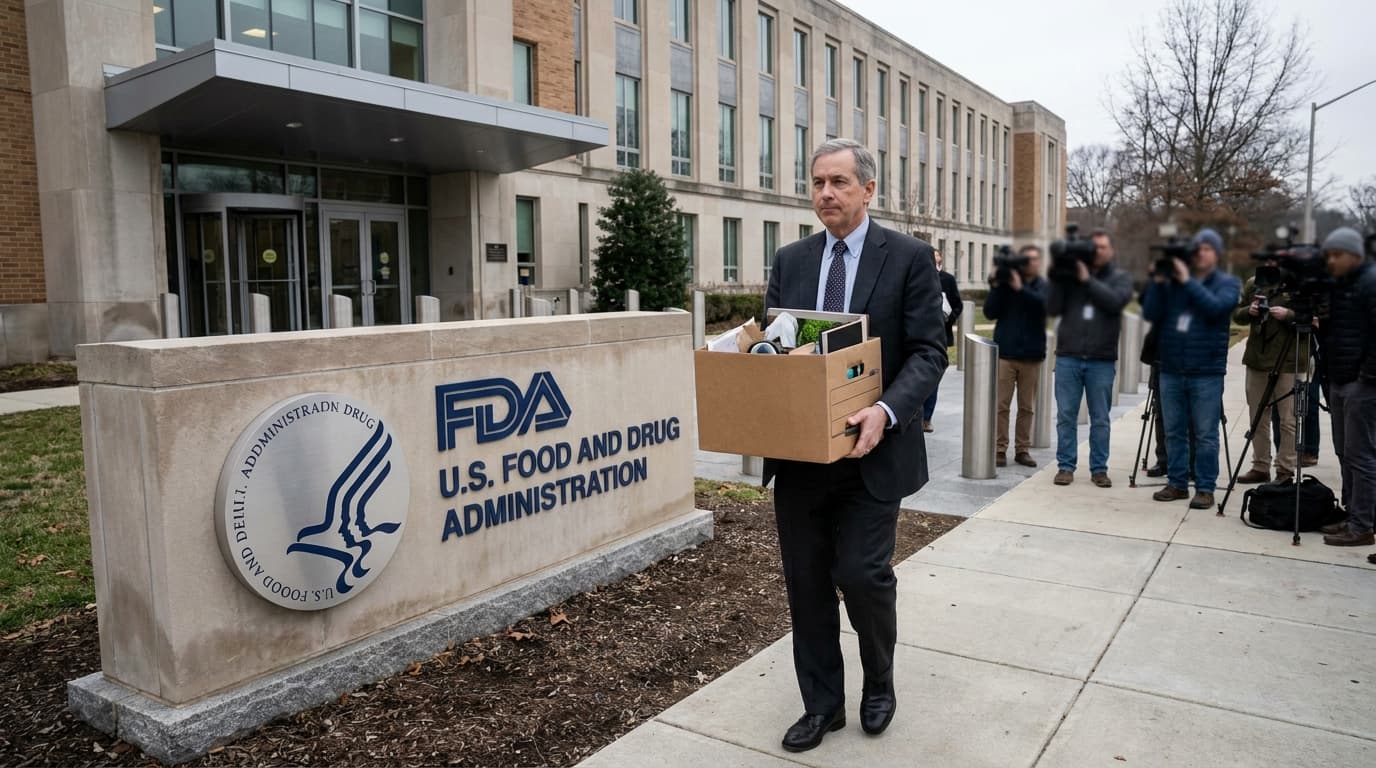
STAT+: FDA’s Top Gene Therapy Regulator Departs Amid Broader Agency Shake-Up

With the exit of Vijay Kumar, the FDA’s top gene therapy regulator, the agency faces another leadership gap just as gene therapy innovation surges. This change, set against a backdrop of wider FDA shakeups, could have far-reaching implications for biopharma strategy, regulatory timelines, and patient expectations.
Leadership changes at major regulatory agencies are seldom strictly internal matters; the ripple effects often reach the biopharma sector, patient communities, and the science of medicine itself. In June 2026, the U.S. Food and Drug Administration (FDA) confirmed the exit of Vijay Kumar, the head of its Office of Therapeutic Products and one of the nation’s most influential gene therapy regulators. This resignation, reported as part of a broader leadership shakeup at the agency, comes at a pivotal moment for gene therapy development and regulatory oversight in the U.S. and globally.
Regulatory Leadership in Gene Therapy: Why It Matters
Gene therapy is an area of immense scientific promise, with companies racing to bring transformative treatments for conditions ranging from rare genetic disorders to more common chronic diseases. The FDA’s Office of Therapeutic Products plays a central role: it shapes the standards and pathways for product approvals, ensures trial safety, and balances the urgency of therapeutic advances with the imperatives of patient safety.
Leadership changes at this level can have profound consequences, including interrupted guidance for sponsors, delayed regulatory decisions, and—in some instances—a reset of agency priorities. With Vijay Kumar’s departure, industry observers, advocacy groups, and healthcare investors are asking what comes next for drug developers and patients.
Context: FDA Shake-Up and the Agency’s Modernization Challenges
Kumar’s exit is not an isolated incident, but part of a “broader leadership shakeup” at the FDA. This context is crucial. The agency has been under pressure to modernize its operations, update regulatory frameworks for novel modalities, and address chronic resourcing constraints. Leadership churn at this moment of industry inflection could deter innovation, slow approvals, or introduce uncertainty.
Many biopharma companies are in the midst of late-stage development for gene therapies poised to address previously untreatable conditions. Regulatory consistency and expert guidance are vital to the high-stakes planning and capital allocation that underpins this field.
Possible Impacts for Stakeholders
For Biopharma and Researchers
- Regulatory Uncertainty: Whenever a key official leaves, drug sponsors often face delays as their dossiers or trials are reassigned. The knowledge gap and institutional memory that depart with a seasoned regulator like Kumar can set back or complicate clinical development.
- Changing Standards: New leaders may interpret existing standards or new regulatory guidance differently, leading companies to adjust trial designs or approval strategies.
- Investor Caution: Investors closely monitor FDA stability; leadership changes may trigger caution in underwriting biotechs with pipeline assets that rely on regulatory clarity.
For Patients and Advocacy Groups
- Timing of Approvals: Leadership uncertainty can contribute to longer review times or shifting agency priorities, especially in areas like rare diseases where time to market is critical to patient groups.
- Engagement and Communication: Consistent communication is vital. Patient advocates hope the next Office leader will maintain or increase transparency regarding gene therapy trials, compassionate use, and post-market requirements.
For the FDA’s Mission
- Agency Cohesion: Sustained turnover may affect morale and institutional knowledge within the agency, complicating already-difficult decisions on breakthrough—but high-risk—therapies.
- Policy Evolution: Broader shakeups may signal intent to accelerate or recalibrate FDA modernization, but the interim can be a period of uncertainty for all stakeholders.
The Big Picture: Why This Matters Now
Gene therapy stands at a crossroads:
- Innovations are Accelerating: The volume of pivotal trials and regulatory submissions is rapidly rising, placing historic burdens on regulators.
- Policy is Evolving: Calls for the FDA to speed up access exist alongside pressures to maintain or enhance patient safety, especially with growing attention on long-term gene therapy effects.
- Global Competition: Other regulatory authorities, including the EMA and PMDA, are updating their standards, creating a multinational race for innovation and market leadership.
This makes the stability and expertise at the FDA’s Office of Therapeutic Products more important than ever. The next leadership steps will be closely watched, and the tone set now could influence the sector’s trajectory for years.
What Should Industry-Watchers Look For?
- Succession Announcements: Who will step in to fill this key regulatory role? Will it be an internal candidate with continuity, or will the agency look outside for a fresh approach?
- Policy Statements: Statements from the FDA around continuity of guidance, especially in light of ongoing gene therapy submissions and trial launches.
- Industry Response: How will biotech sponsors and major pharmaceutical firms adjust their timelines or regulatory engagement strategies in response?
- Patient Advocacy Messages: With so much at stake for families awaiting breakthrough gene therapies, expect advocacy organizations to press for uninterrupted progress at the agency.
Conclusion: Next Steps for a Sector in Transition
While regulatory transitions can introduce a period of uncertainty, they also allow the FDA to reassess its approach, strengthen oversight, and reaffirm its role as a global leader in safe and effective gene therapy approvals. Vijay Kumar’s departure is a reminder of the centrality of expertise and stability at the highest levels of public health governance. As this story develops, all eyes will remain on the FDA’s next moves and their implications for science, safety, and access.
See the original coverage at STAT News.
Join the BioIntel newsletter
Get curated biotech intelligence across AI, industry, innovation, investment, medtech, and policy delivered to your inbox.