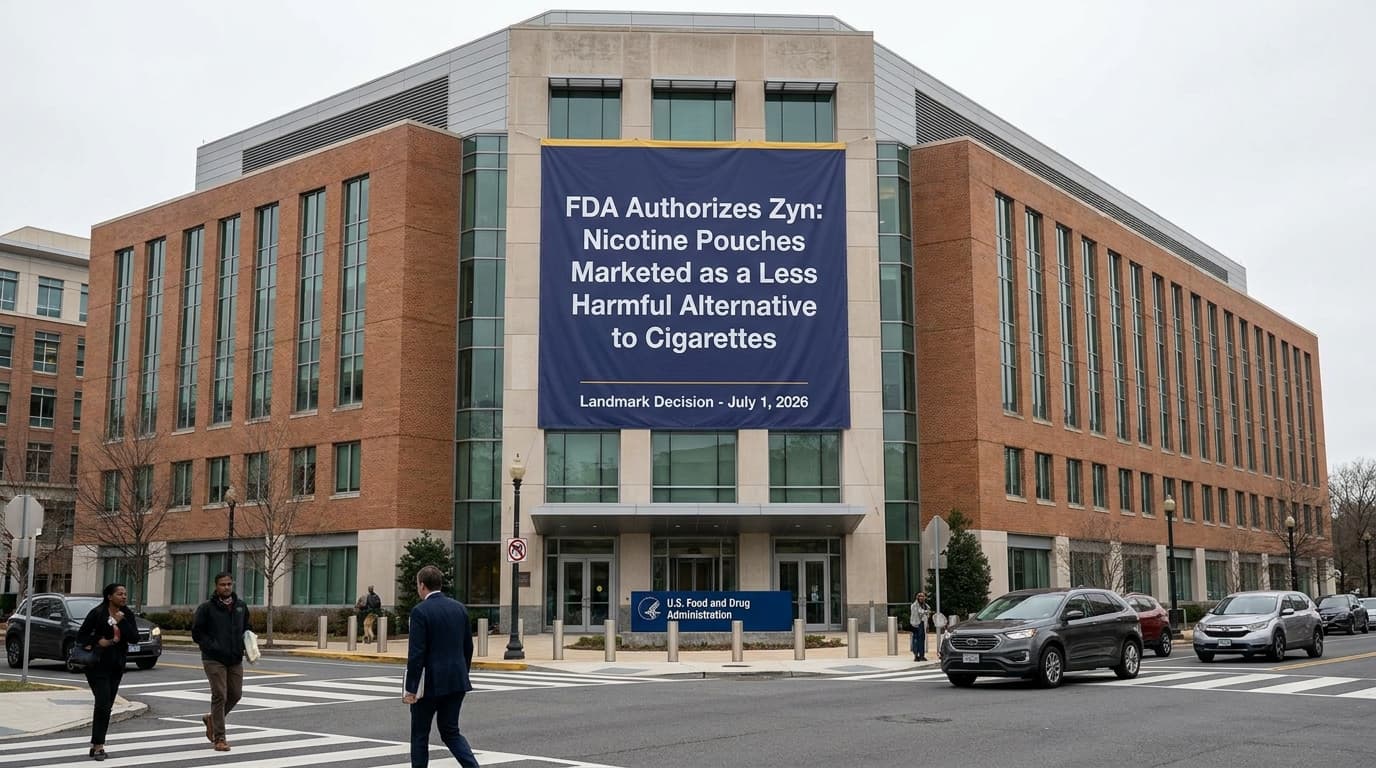
FDA Grants Zyn Permission to Market Nicotine Pouches as Safer Alternative to Cigarettes

In a move that could shift the landscape of nicotine consumption and tobacco regulation, the FDA has allowed Zyn to advertise its nicotine pouches as safer than combustible cigarettes. This decision highlights ongoing debates around risk reduction and the evolving role of non-combustible nicotine products in public health strategies.
Introduction
On July 1, 2026, the U.S. Food and Drug Administration (FDA) issued a significant decision permitting Zyn’s nicotine pouches to be marketed as a product that is less harmful than traditional cigarettes. This move represents a pivotal moment in the evolving regulatory framework surrounding tobacco and nicotine products in the United States. As public awareness around the dangers of combustible tobacco increases and the industry develops novel products aiming to offer reduced risk, Zyn’s newfound authorization to promote its pouches as a safer alternative could have sweeping implications for consumers, the tobacco industry, and public health as a whole.
Background: What Are Zyn Nicotine Pouches?
Nicotine pouches are oral smokeless products that deliver nicotine to users without the need for combustion, smoke, or even tobacco leaf. Zyn, manufactured by Swedish Match (now acquired by Philip Morris International), is one of the most prominent brands in this rapidly growing category. Unlike traditional smokeless products such as chewing tobacco or snus, Zyn uses synthetic nicotine in a white, tobacco-free pouch. The product is designed for discreet, odorless use, often marketed as a cleaner and less intrusive way to consume nicotine.
The FDA’s Decision: Key Elements and Rationale
This new FDA decision allows Zyn to explicitly market its pouches as a product with reduced risk relative to conventional cigarettes. According to a snippet from STAT News, the agency reviewed scientific evidence demonstrating that the pouches present lower exposure to toxicants associated with combustion.
By authorizing this claim, the FDA is applying its modified risk tobacco product (MRTP) criteria, which permit a company to communicate reduced risk when substantial scientific evidence supports such assertions. In Zyn’s case, the company submitted data indicating that the pouches contain significantly fewer harmful chemicals than cigarettes, do not involve inhalation of smoke, and may thus represent a lower overall health risk.
The Broader Context: Tobacco Harm Reduction
This decision is situated within the broader public health debate about tobacco harm reduction (THR). THR is the concept that providing smokers with access to non-combustible sources of nicotine—such as e-cigarettes, snus, or synthetic nicotine pouches—could reduce disease burden if these individuals switch completely from cigarettes. With combustible tobacco use still the leading cause of preventable death in the U.S. and globally, there is intense interest in any strategies that might lead users away from smoking.
Proponents argue that smoke-free nicotine products present a pragmatic approach to reducing the harms associated with tobacco use, especially for adults who are unable or unwilling to quit nicotine. Critics, however, warn about the risks of youth initiation, unintended consequences, and the lack of long-term safety data for emerging products.
Public Health Implications and Ongoing Questions
The FDA’s decision is likely to reignite debates among public health stakeholders, advocacy groups, and industry representatives alike. There remain critical questions about how such marketing claims will influence consumer behavior and perceptions, particularly among young people and non-smokers. There is a risk that permissive marketing could lessen the perceived dangers of nicotine use or unintentionally facilitate uptake among youth.
Regulators will face scrutiny as they monitor the effect of Zyn’s marketing permission on public health indicators, tobacco use rates, and youth consumption trends. While traditional cigarettes are markedly more dangerous due to combustion byproducts, even synthetic nicotine products are not without risk: addiction, cardiovascular effects, and yet unknown long-term health consequences may still exist.
Industry Response and Next Steps
For Zyn and other companies involved in so-called “next-generation” nicotine products, the FDA’s decision is a milestone that might shape marketing, product development, and regulatory strategy moving forward. The permission to market pouches as lower risk than cigarettes could spur further innovation and prompt competing brands to seek similar determinations from regulators.
However, as regulators and industry alike have learned from the experience with e-cigarettes, success will depend on rigorous adherence to post-market surveillance, continued research, and careful monitoring of marketing practices to ensure that products are not illicitly targeted to minors.
The Role of the FDA
The FDA’s evolving role in regulating nicotine products continues to adapt to product innovation and accumulating evidence. Balancing harm reduction for current smokers with strict safeguards against youth uptake is a persistent challenge. This decision—while a victory for Zyn and supporters of alternative nicotine delivery methods—will serve as a test case for the agency’s overall framework, which prioritizes public health while recognizing the potential for next-generation products to offer less harmful choices for adult tobacco users.
Looking Ahead: Monitoring the Real-World Impact
The public health community, regulators, and industry are all closely watching how this new marketing permission translates into real-world behavior. Success will be measured not simply by market growth or sales figures, but by whether or not the availability and advertising of reduced harm products truly result in net public health benefit—facilitating smoking cessation or substitution among entrenched cigarette users, rather than driving nicotine uptake among new populations.
As Zyn implements its new marketing strategy, the FDA and independent researchers will be monitoring sales patterns, usage rates, and overall shifts in tobacco and nicotine consumption for insight into the policy’s long-term effects.
Conclusion
The FDA’s landmark decision to allow Zyn to market its pouches as safer than cigarettes is a major development in the unfolding story of nicotine regulation and public health policy in the United States. As both supporters and skeptics weigh in, the next chapters will be written by the real-world outcomes as consumers, clinicians, and companies respond to this regulatory milestone.
For further details, see STAT News.
Join the BioIntel newsletter
Get curated biotech intelligence across AI, industry, innovation, investment, medtech, and policy delivered to your inbox.