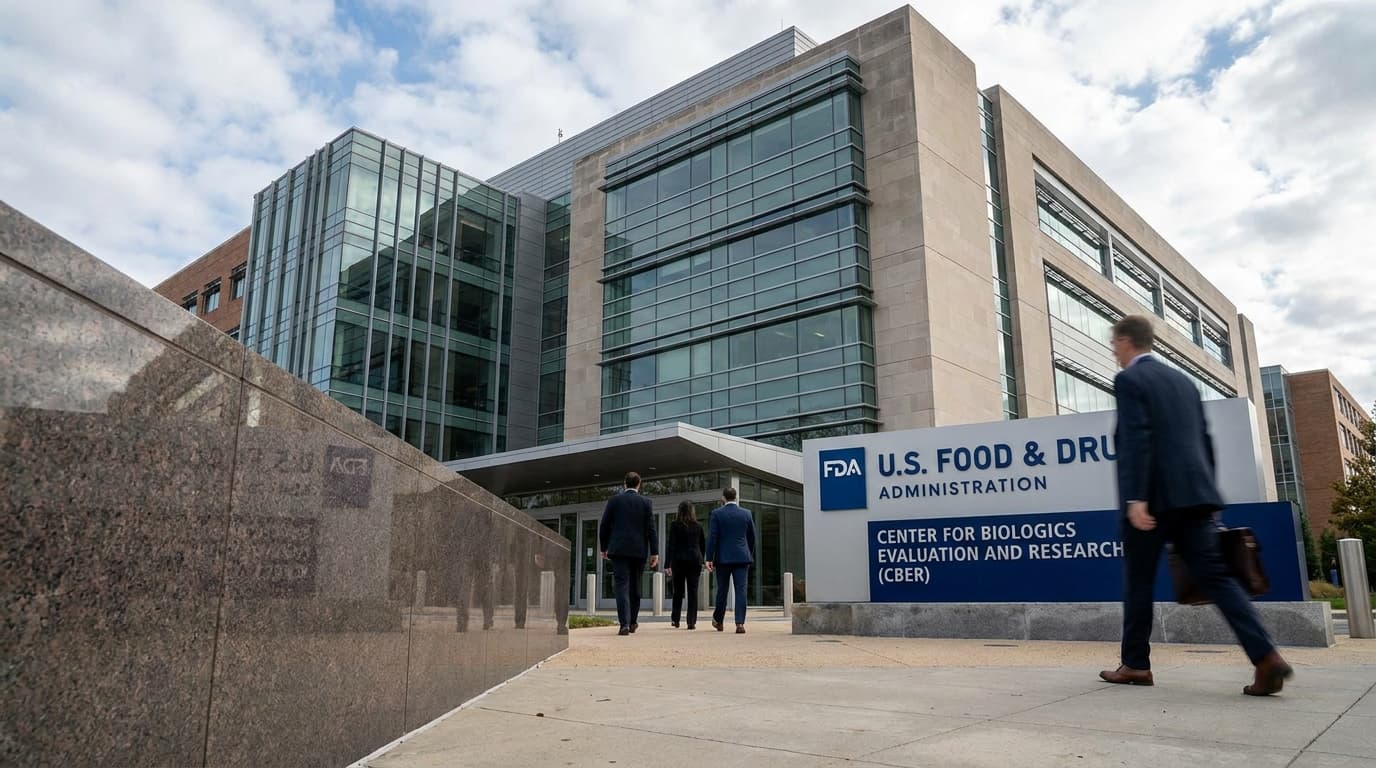
FDA Leadership Shift: Katherine Szarama’s Departure and Its Implications for Biologics Evaluation and Regulatory Oversight

Recent changes in FDA leadership, marked by the swift departure of Katherine Szarama from CBER’s helm, highlight underlying tensions and ongoing reforms in regulatory oversight of biologics. This article analyzes the context, potential impacts on biopharma innovation, and public trust.
Introduction
In a notable development within the U.S. Food and Drug Administration (FDA), Katherine Szarama's brief tenure as acting head of the Center for Biologics Evaluation and Research (CBER) has come to an abrupt end after less than three weeks. She has been succeeded by Karim Mikhail, a veteran of industry with over two decades at Merck and a recent addition to the FDA. This leadership change is part of a series of transitions reflecting broader attempts by FDA Commissioner Marty Makary to reform the agency’s priorities and restore confidence after several high-profile resignations.
The Role of CBER and Its Significance
CBER plays a vital role in evaluating biological products, including vaccines, blood products, and gene therapies. Effective leadership at CBER is crucial for timely regulatory decisions that balance rigorous safety standards with the facilitation of innovation in biologics.
Regulatory Leadership Turnover: Causes and Concerns
Szarama’s swift exit appears emblematic of ongoing cultural and structural shifts at the FDA. The incoming leadership under Karim Mikhail, with extensive industry experience, suggests a strategic pivot that may influence regulatory approaches, including collaboration with stakeholders, enforcement measures, and prioritization of therapeutic advances.
Impact on Biopharma Industry and Innovation
The FDA’s biologics center influences a rapidly evolving sector where scientific advancements often outpace regulatory frameworks. Leadership instability can disrupt strategic regulatory planning, create uncertainty for developers, and potentially delay the availability of novel therapies. Conversely, fresh perspectives might invigorate regulatory processes and enhance risk-benefit assessments.
Public Trust and Transparency
These leadership changes occur amid heightened public scrutiny of the FDA’s roles, including vaccine approvals and drug safety surveillance. Maintaining transparency about such transitions and the rationale behind them is essential to sustaining public trust and ensuring effective communication with healthcare providers and patients.
Looking Forward: Balancing Reform and Stability
As the FDA continues its organizational restructuring, balancing the need for reform with operational stability will be critical. Ensuring that leadership transitions do not impede regulatory oversight or diminish rigor will be a central challenge for the agency moving forward.
Conclusion
The departure of Katherine Szarama and the appointment of Karim Mikhail signify important developments within the FDA’s biologics evaluation framework. Their implications extend beyond internal agency dynamics, potentially affecting the trajectory of biopharmaceutical innovation and public confidence in regulatory frameworks.
Source: Prasad ally Szarama exits CBER after 3 weeks as FDA cleanout continues
Join the BioIntel newsletter
Get curated biotech intelligence across AI, industry, innovation, investment, medtech, and policy delivered to your inbox.