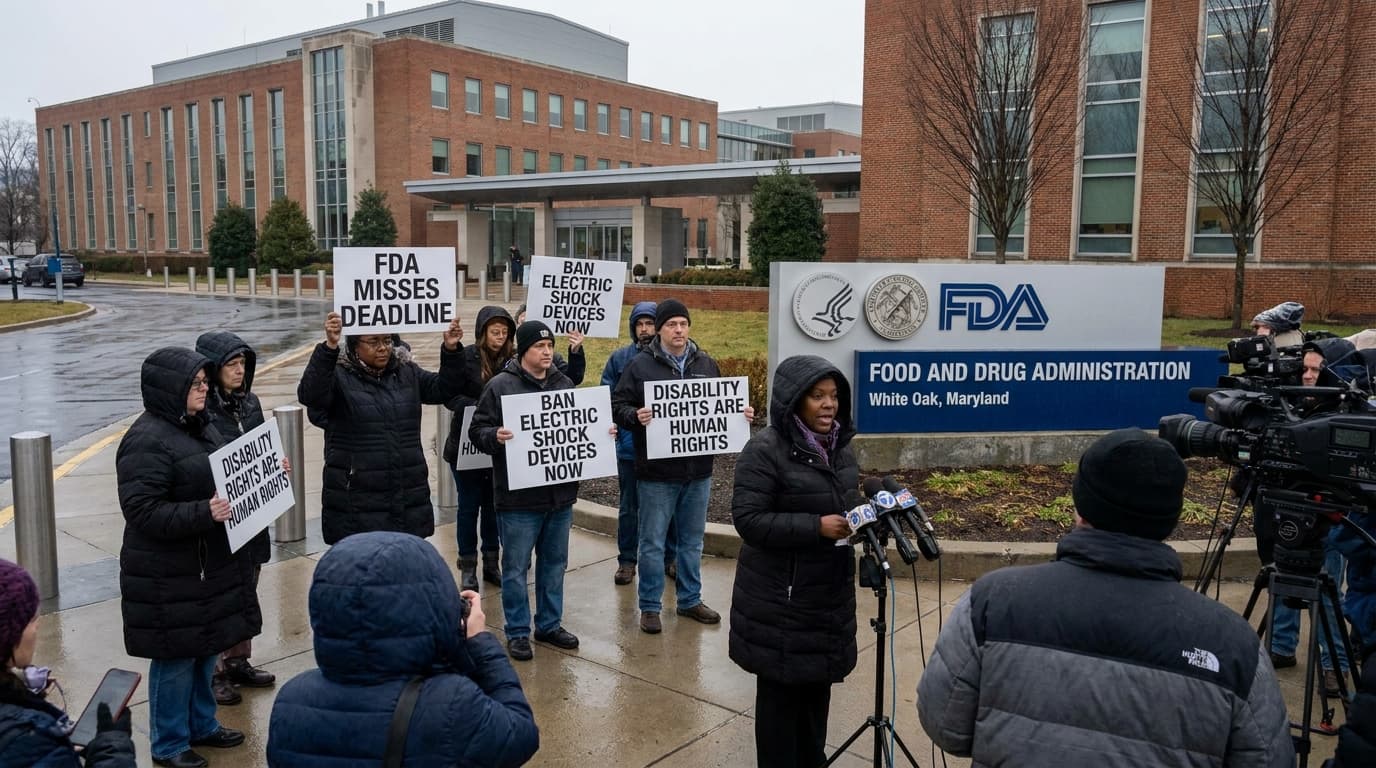
FDA Misses Deadline on Electric Shock Device Ban, Sparking Outcry from Disability Advocates

In a controversial decision, the FDA has missed the deadline to implement a ban on the use of electric shock devices on people with intellectual disabilities. This delay intensifies concerns among advocates who argue that such devices pose severe ethical and medical risks. The regulatory implications of this missed deadline could shape future policies on disability rights and medical practices.
The recent development concerning the Food and Drug Administration (FDA) missing its self-imposed deadline to prohibit the use of electrical shock devices on people with intellectual disabilities has ignited a wave of concern and protest among disability advocates, medical ethicists, and human rights organizations.
Electrical shock devices, often used as behavioral modification tools in certain care settings, have been the subject of extensive debate for several years. Advocates argue that these devices can cause significant physical and psychological harm, and their use violates fundamental human dignity and ethical standards of medical care.
The FDA's delay in enacting the ban raises serious questions about regulatory accountability and the protection of vulnerable populations. Disability rights organizations have voiced strong criticism, emphasizing that the failure to adhere to the deadline postpones critical safeguards for individuals subjected to these controversial treatments.
From a regulatory perspective, this missed deadline highlights potential challenges within the FDA's enforcement mechanisms and decision-making priorities. It may reflect the complexities of balancing diverse stakeholder interests, including those of device manufacturers, healthcare providers, and patient advocacy groups.
The societal implications of this delay are profound. The continued allowance for electrical shock devices not only impacts the health and wellbeing of affected individuals but also shapes public perceptions of acceptable medical and care practices. The ethical debate centers around autonomy, informed consent, and respect for the rights of people with intellectual disabilities.
Disability advocates stress that the FDA's timely action is essential to align medical practices with evolving ethical standards and international human rights norms. They warn that continued use of these devices may perpetuate stigma and discrimination against people with disabilities.
In the broader healthcare landscape, this event underscores the need for comprehensive regulatory frameworks that prioritize patient safety and ethical considerations. As attention turns to resolving this regulatory impasse, stakeholders are calling for transparent dialogue, policy reforms, and enhanced oversight mechanisms.
Ultimately, the FDA's missed deadline serves as a critical reminder of the ongoing struggles to protect vulnerable communities within medical and regulatory systems. Ensuring the humane treatment of individuals with intellectual disabilities remains a pressing imperative for policymakers, clinicians, and advocates alike.
For further information, please refer to the full story at STAT News: FDA misses deadline on electric shock ban, disability advocates speak out.
Join the BioIntel newsletter
Get curated biotech intelligence across AI, industry, innovation, investment, medtech, and policy delivered to your inbox.